Leave Your Message
0%

China’s top manufacturers of built-in bypass Soft Starters are really meeting a practical need—helping to control motor acceleration smoothly within a compact, all-in-one package. Basically, once the motor starts up, a bypass contactor takes over, handling the current and reducing heat build-up in the starter’s power parts. This can make the control cabinet simpler and less cluttered, but keep in mind that the size and performance can vary depending on the model and how it’s installed.

Back in 2011, the International Energy Agency released a report estimating that electric motor systems gobble up about 46% of the world’s electricity. Now, that’s a pretty broad stat—no promises about how well soft starters perform—but it really highlights why choosing the right motor and control system is so important. To quote IEA’s boss, Fatih Birol, energy efficiency is like “the first fuel,” meaning you shouldn’t just focus on the initial cost—you also need to dig into details like rated current, overload capacity, bypass setup, enclosure type, cooling needs, and the manufacturer’s testing documentation.

Paying attention to details matters a lot. For example, a soft starter used for a pump in a dusty factory might have different requirements than one controlling a fan in a super-clean environment. When comparing Chinese manufacturers, check their experience with similar applications, look at their product documentation, see if they offer customization, and don’t forget about after-sales support. Ask about how their units perform during frequent startups, voltage drops, or in the event of faults. Just because a device has built-in bypass doesn’t mean it all works the same—sometimes specs can be a bit misleading, leaving out the real operating conditions behind the scenes. So, creating a solid shortlist isn’t just about looking at the datasheet; it’s also about asking direct technical questions and, whenever possible, talking to real customers who’ve used the products. That way, you get a clearer picture of what you’re really buying into.
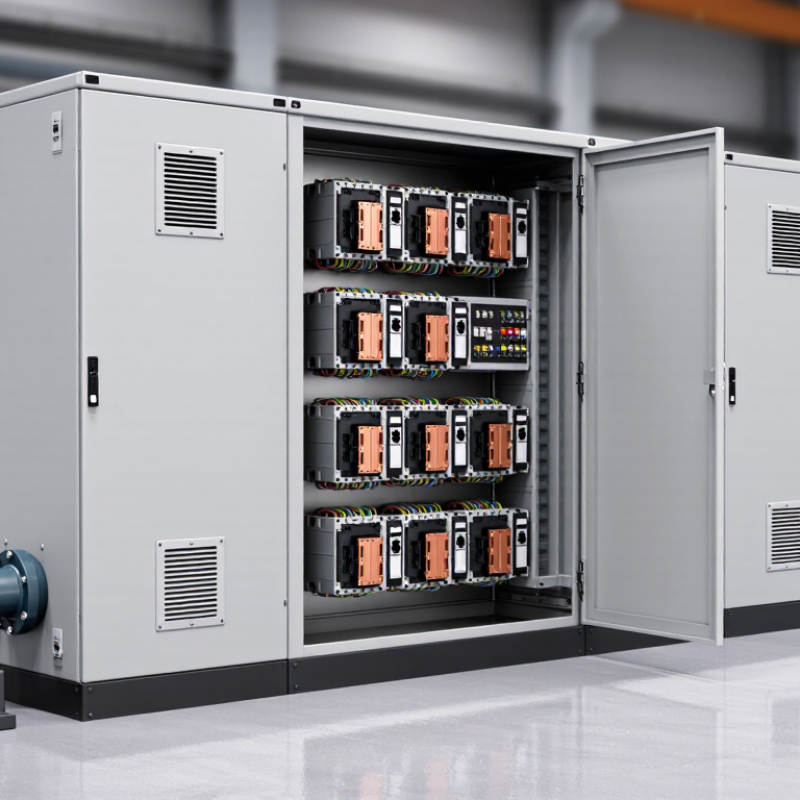
China Top Built In Bypass Soft Starter Manufacturers

What Is a Built-In Bypass Soft Starter?

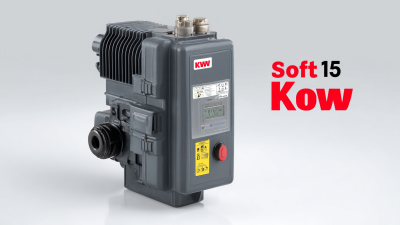
A built-in bypass soft starter is a motor starter with a bypass contactor housed inside the unit. During startup, semiconductor devices gradually raise the voltage supplied to the motor. This can reduce inrush current and mechanical shock compared with direct-on-line starting. Once the motor reaches its operating speed, the internal contactor carries the running current around those devices. Less heat. A simpler installation, too.

That bypass path matters in a pump room or workshop cabinet, where heat and wiring space are practical concerns. A 110kw Built-In Bypass Soft Starter may suit a large motor, but the kilowatt rating alone does not confirm compatibility. Check the motor’s rated current, supply voltage, load type, and start frequency against the unit’s specifications. A conveyor starting under load, for example, may need different settings from a lightly loaded fan. The bypass contactor is not a substitute for correctly sized protection or a suitable enclosure. It is easy to focus on the compact package and overlook commissioning details; that deserves a second look.

China Top Built In Bypass Soft Starter Manufacturers - What Is a Built-In Bypass Soft Starter?

Topic How It Works Practical Details What to Check
Definition A motor starter that uses power electronics to ramp an AC motor up to speed, then connects the motor to the supply through a bypass contactor built into the starter. “Built-in bypass” means the bypass contactor is part of the starter assembly; it does not mean the starter controls motor speed during normal operation. Confirm whether the bypass is internal to the unit and whether external wiring or a separate contactor is still required.
Starting phase Thyristors, also called SCRs, regulate the voltage applied to the motor during acceleration. Adjustable ramp time and current or torque limits can reduce the abrupt electrical and mechanical effects associated with direct-on-line starting. Check the available starting modes and settings against the motor and load requirements. Actual starting current depends on the motor, load, and configuration.
Bypass operation After the motor reaches the configured end of its starting ramp, the bypass contactor closes and carries the running current. This reduces the time the SCRs conduct at full operating current and can lower heat generated inside the starter during steady running. Review the rated current, operating duty, ambient-temperature limits, and any required derating in the product documentation.
Stopping phase If supported and enabled, the starter can open the bypass and use its power electronics to provide a controlled voltage ramp-down. A soft stop may help reduce water hammer in suitable pump systems, but the result depends on the pump, pipework, and stop settings. Verify that soft-stop control is included and suitable for the application; a controlled stop is not the same as braking or speed control.
Speed control A soft starter controls voltage mainly during starting and, on supported units, stopping. Once bypassed, the motor runs at a speed determined primarily by supply frequency, motor design, and load. It is not a variable-frequency drive (Vfd) and does not provide continuous speed adjustment in normal bypass operation. Choose a VFD when the process requires ongoing speed regulation or frequency-based motor control.
Typical applications Common uses include pumps, fans, blowers, and some compressors or conveyors where reduced starting stress is useful. Suitability depends on load torque, acceleration time, start frequency, and the motor’s thermal limits. High-inertia or demanding-duty loads may need a specifically rated starter. Match the starter to the motor nameplate current and the application duty, not motor power alone.
Protection and integration Depending on the model, functions may include overload, phase-loss, stall, or over-temperature protection, plus status outputs or communication options. Protection features and communication interfaces vary; a soft starter does not automatically replace all upstream short-circuit protection or motor protection requirements. Check the wiring diagram, coordination requirements, protection settings, control voltage, and available I/O for the installation.
Manufacturer comparison Compare technical suitability and documented performance rather than relying only on a product label or headline rating. Relevant factors include rated operational voltage and current, duty rating, overload capability, environmental limits, certifications, documentation, and service support. Request the datasheet, installation manual, applicable compliance documents, and written confirmation that the selected model suits the motor and load.

Note: Features and ratings vary by model. Confirm all electrical ratings, protection requirements, and application limits in the manufacturer’s technical documentation before selection or installation.

How Built-In Bypass Soft Starters Control Motor Starting

A built-in bypass soft starter controls motor acceleration by adjusting voltage through thyristors. The gradual voltage ramp limits starting current and reduces sudden torque, helping protect couplings, belts, and driven equipment. Once the motor reaches the configured speed or ramp endpoint, an internal bypass contactor carries normal running current. The thyristors then stop handling continuous load current, reducing heat inside the starter cabinet. Heat drops. The bypass does not remove the need for correctly sized overload protection or suitable motor settings.

The U.S. Department of Energy’s 2008 Improving Motor and Drive System Performance sourcebook estimates that motor-driven systems account for about 68% of U.S. industrial electricity use. That figure makes efficient motor operation important, but a bypass starter mainly improves starting and reduces starter losses during steady running; it does not automatically cut a motor’s overall energy use. In commissioning, set ramp time and current limit against the actual load. A lightly loaded fan and a conveyor with a full belt need different settings. Not always obvious. If the limit is too low, the motor may stall or accelerate poorly, so field measurements and a careful restart test matter.

How Built-In Bypass Soft Starters Control Motor Starting

Typical motor-starting current ranges, expressed as multiples of full-load current (FLC).

A soft starter gradually increases voltage to limit inrush current and reduce mechanical stress. Once the motor reaches operating speed, its built-in bypass typically carries the running current, reducing heat in the starter. Actual starting current depends on the motor, load, and settings; these ranges are typical, not guaranteed values.

Key Components and Operating Characteristics

China Top Built In Bypass Soft Starter Manufacturers

Key Components and Operating Characteristics

A built-in bypass soft starter combines silicon-controlled rectifiers (SCRs), a control board, current sensors, and a bypass contactor. During startup, the SCRs gradually increase motor voltage, limiting the surge that can make lights flicker or strain a pump coupling. Once the motor reaches its operating speed, the contactor bypasses the SCRs. Less heat builds up inside the starter. A fan or clear airflow path still matters.

The U.S. Department of Energy’s 2014 motor systems sourcebook estimates that motor-driven systems use about 68% of electricity in U.S. manufacturing. That figure highlights why correct motor operation matters, but a soft starter does not automatically reduce energy use during steady running. Its main job is controlled acceleration and deceleration. Check the motor’s rated current, load type, start frequency, and enclosure temperature before selecting a unit. A conveyor and a centrifugal pump may need different ramp settings. This is an easy detail to underestimate.

Tips: Set the ramp using real load behavior, then verify starting current and motor temperature over several cycles. Bypass contactors reduce starter heating, not mechanical wear. Keep terminals tight and ventilation openings clear; small maintenance details can be overlooked.

Common Applications Across Industrial Sectors

Built-in bypass soft starters are used where large motors need a smoother start without continuous speed control. In water and wastewater plants, they can reduce sudden pressure changes as pump motors accelerate. Operators should still check pipe conditions and pump curves; a softer start alone cannot prevent every pressure surge.

On factory floors, these starters can help conveyors begin moving gradually, reducing abrupt belt movement when loaded. In ventilation systems, they limit starting current for large fans and help reduce mechanical stress on belts and couplings. They also suit compressors and material-handling equipment, provided the motor’s starting load and required ramp time are assessed carefully. Small details matter.

After acceleration, the built-in bypass path carries motor current, reducing heat in the starter during normal operation. A 200kw Built-In Bypass Soft Starter may suit a high-power pump or fan, but the rating alone does not confirm compatibility. Check supply voltage, motor current, start frequency, enclosure conditions, and protection settings. Soft starters are not variable-speed drives; once bypassed, they generally do not regulate running speed. In dusty rooms or sites with frequent starts, selection can be less straightforward than a catalogue rating suggests.

Criteria for Evaluating Chinese Manufacturers

When evaluating a Chinese manufacturer of built-in bypass soft starters, match its product range to your motor loads. Check rated current, voltage, starting frequency, and permitted operating temperature. Ask how the bypass contactor is sized and protected. That matters.

Request wiring diagrams, test records, and clear overload settings for the exact model under consideration. Ask for records. A polished brochure is not proof of stable performance. Not just brochures. Confirm that the manufacturer can explain heat dissipation, fault alarms, and switching behavior in plain technical language. If answers change between documents and sales calls, pause and verify.

A reliable Built-In Bypass Soft Starter Supplier should provide traceable quality checks, consistent documentation, and practical after-sales support. Check response times and availability of replacement parts before placing an order. If possible, review a sample unit or observe a load test with your operating conditions. I still find support commitments less clear than they should be, so request them in writing. Compare lead times and customization limits, too. A lower price can look attractive, but unclear testing or delayed technical answers may create avoidable commissioning work.

Leading Built-In Bypass Soft Starter Manufacturers in China

Leading Built-In Bypass Soft Starter Manufacturers in China

China’s built-in bypass soft starter manufacturers serve equipment makers seeking controlled motor starts and compact panel layouts. A built-in bypass contactor reduces heat during normal operation after the motor reaches speed. That can simplify cooling needs, but it does not remove the need for correct sizing. Buyers should compare rated current, start frequency, overload settings, protection functions, and enclosure requirements. Request clear technical data and test documentation. Practical engineering support matters, too.

Tips: Match the starter to the motor’s full-load current and actual starting load. Check wiring diagrams, terminal labels, and fault-response details before installation.

When evaluating a Built-In Bypass Soft Starter Manufacturer, ask how products are tested under repeated starts and what support is available for commissioning. A conveyor, pump, and loaded compressor can require different starting settings. Confirm compatibility with the control system and the site’s operating conditions. A short sample test can reveal confusing instructions or inconvenient terminals. Small details count. I would not judge a supplier by a polished catalogue alone; documentation can still leave real questions unanswered. Manufacturers that respond clearly to technical questions make comparison more reliable.

Quality Standards and Supplier Selection Considerations

Quality checks for a built-in bypass soft starter should cover more than its rated current. Confirm that the supplier can provide test records, component traceability, and clear installation instructions. Ask which standards apply to the product and target market, such as IEC 60947-4-2 where relevant. A certificate alone may not show how the unit performs under your actual operating conditions.

Check the motor’s starting frequency, load inertia, ambient temperature, and enclosure conditions against the supplier’s specifications. Request evidence of thermal testing and short-circuit coordination, and verify that the bypass contactor engages reliably after acceleration. Small details matter. A clear wiring diagram and accessible terminals can save time during installation. When comparing suppliers, assess engineering support, response times, warranty terms, and spare-part availability. Ask for a technical review using your motor nameplate and duty cycle. Price still matters, but a low quote may omit testing or application support. I would also check whether documentation matches the delivered model; mismatched paperwork is easy to overlook and difficult to resolve later.

LCRVM-C Online Soft Starters: A Buyer’s Guide Informed by IEA’s *Energy Efficiency 2023* Report

When choosing an online soft starter, buyers should consider more than purchase price. The energy-efficiency priorities highlighted in the 2023 global energy-efficiency review point to the value of reducing avoidable energy use across industrial operations. A suitable starter can support smoother motor acceleration, helping limit mechanical stress during startup and contributing to more controlled operation. Buyers should compare motor compatibility, starting requirements, protection features, installation needs, and the availability of technical support before making a decision.

The LCRVM-C Online Soft Starter is an economical option for factories seeking dependable motor control. Manufactured in China by established suppliers, it is designed to meet growing demand for practical, quality equipment. Its soft-start operation can help reduce abrupt starts and support equipment longevity, while its online configuration offers convenient monitoring and control. As with any efficiency investment, actual energy savings depend on the motor, load, operating schedule, and system design; buyers should verify specifications and assess performance in their own applications.

For a well-informed purchase, request clear technical documentation and confirm that the unit is appropriately sized for the motor and working conditions. Considering lifecycle costs—not just the initial price—can help facilities choose equipment that supports efficient, reliable production over time.

FAQS

Which specifications should buyers compare?

Check rated current, voltage, starting frequency, and permitted operating temperature. Match them to the motor and its actual load.

Why does bypass contactor sizing matter?

The contactor carries current after the motor reaches speed and helps reduce operating heat. Incorrect sizing can affect reliable operation.

What documents should buyers request?

Ask for model-specific wiring diagrams, test records, and clear overload settings. Brochures alone prove little.

How can repeated-start performance be assessed?

Ask how the unit is tested under repeated starts. A sample test may reveal unclear instructions or awkward terminals.

Do pumps and conveyors need identical settings?

Not necessarily. A pump, conveyor, or loaded compressor may need different starting settings. Check the actual operating conditions.

Which protection and support details should be confirmed?

Ask about fault alarms, overload response, switching behavior, and replacement-part availability. Get response times and commissioning support in writing.

What should a technical review reveal?

The manufacturer should explain heat dissipation and fault behavior in plain language. If documents and calls disagree, pause and verify.

Is a lower price enough to choose a supplier?

No. Compare lead times, customization limits, test records, and technical response quality. Support promises can still be vague.

Conclusion

A Built-In Bypass Soft Starter helps reduce the electrical and mechanical stress that can occur when an industrial motor starts. It gradually increases motor voltage to provide a smoother start, then uses an internal bypass path during normal operation to limit heat and improve operating efficiency. Its main components typically include power electronics, switching elements, protection functions, and control circuitry. Understanding how these parts work together helps buyers assess a starter’s performance, reliability, and suitability for a particular motor.

These devices are used across sectors such as manufacturing, water treatment, HVAC, and material handling. When evaluating Chinese manufacturers, buyers should consider product range, technical documentation, customization capabilities, production consistency, and after-sales support. Comparing specifications, checking relevant quality certifications, and confirming that a product meets the application’s voltage, current, and environmental requirements can help guide supplier selection. A careful assessment of operating characteristics and quality practices can support dependable motor control and long-term equipment performance.
Ethan

Ethan

Ethan is a dedicated marketing professional at Zhejiang Loka Electric Co., Ltd., where he leverages his extensive expertise to promote the company’s innovative products. With a deep understanding of the electrical industry, Ethan plays a crucial role in enhancing the company’s online presence......
Previous China Best Soft Start for AC Compressors?