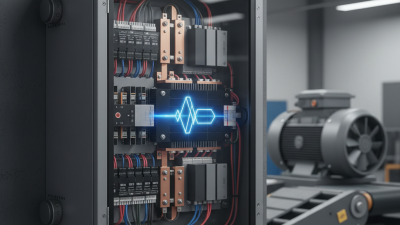
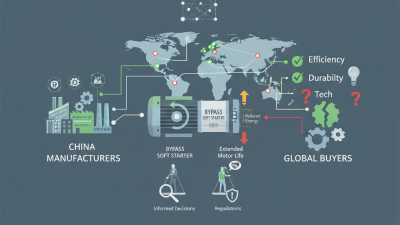
In the constantly changing world of electrical engineering, you really can’t overstate how beneficial a Soft Startercan be. I was talking to John McKinney, a widely respected expert in motor control systems over at PowerTech Inc., and he mentioned that "using a Soft Starter truly changes how we can approach making our projects more efficient." It’s a pretty powerful little device that lets motors run more smoothly and helps cut down on energy use—huge advantages for today’s engineering work.
Basically, Soft Starters gently ramp up motor speed, which means less wear and tear on your equipment. That adds up to longer-lasting machinery and fewer unexpected breakdowns. Think about a busy construction site—if those big machines started smoothly instead of with jerks and jolts, it’d not only be a lot safer but also more reliable overall. That’s not just a small perk; it really makes a difference in hectic environments.
Of course, the benefits are clear, but it’s also super important to pick the right Soft Starter and set it up properly. If you choose one that doesn’t quite fit your specific needs, it could cause performance hiccups—which nobody wants. Getting the right match takes some knowledge and careful planning. It can make or break your project’s success. So, it’s definitely worth having experienced engineers involved in the process—they know how to strike that balance and avoid costly mistakes.
Benefits of Soft Starters in Reducing Mechanical Stress on Equipment
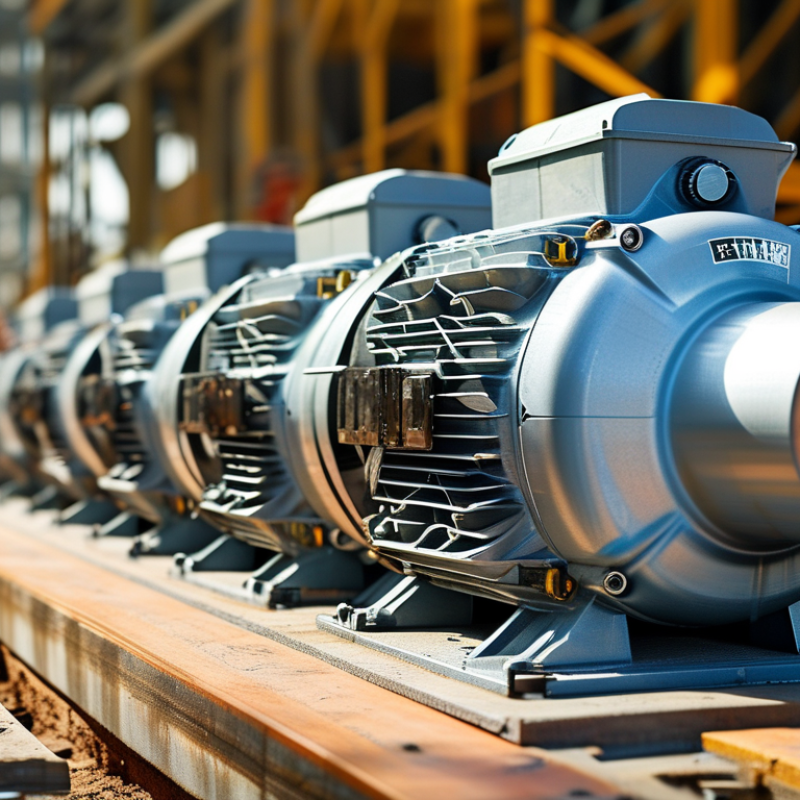
Using soft starters is essential for managing mechanical stress on equipment. These devices provide a gradual start-up process, which reduces the initial shock to machinery. This smooth ramp-up helps to protect components from strain. As equipment comes to life steadily, wear and tear are minimized. Too much torque can lead to early failures. The Soft Start Starter allows for a more refined approach, extending the lifespan of your machines.
When implementing soft starters, consider the environment. Installation should account for heat and humidity. A controlled environment can further enhance performance. Ensure proper electrical connections to optimize functionality. Regular maintenance is crucial to keep soft starters in peak condition. An overlooked soft start starter might lead to unexpected breakdowns.
In your projects, monitoring energy consumption is key. Soft starters can reduce energy use during start-up, leading to lower overall costs. Use energy-efficient practices alongside these devices. Evaluate your equipment regularly and adjust soft starter settings as needed. This attention can lead to significant improvements in operational efficiency. Implementing soft starters thoughtfully ultimately pays off.
Energy Efficiency: How Soft Starters Minimize Power Consumption
Soft starters are valuable tools that enhance energy efficiency in various projects. By gradually ramping up the voltage, they reduce the initial surge of power. This soft start mechanism minimizes peak power consumption during startup, decreasing stress on electrical systems. As a result, overall energy costs can be significantly lowered.
Moreover, soft starters help protect motors from wear and tear, extending their lifespan. Lower power demand during startup means less heat generation. This translates to a more reliable and longer-lasting operation. However, it is essential to remember that using soft starters may not be suitable for all applications. Each project should be assessed individually to identify the best approach.
The simplicity of installation adds to its appeal. However, not all teams may have the expertise to implement them effectively. Proper training and understanding of how soft starters work are crucial for success. Integrating soft starters into your projects can yield positive results, but careful consideration is necessary to ensure optimal efficiency.
Enhanced Control: The Role of Soft Starters in Motor Speed Regulation
Soft starters play a crucial role in motor speed regulation. They gradually ramp up the motor speed, reducing the initial surge of current. This feature helps protect equipment from potential damage caused by sudden starts. By controlling acceleration, soft starters enhance system reliability and extend the lifespan of motors. The smooth operation minimizes mechanical stress on coupled machinery, offering a more stable performance.
In many industrial applications, efficiency is key. An Automatic Soft Starter can optimize energy use, significantly cutting down operational costs. By preventing electrical spikes, these devices also contribute to a more stable power supply. However, not all applications may require a soft starter. In some cases, traditional starting methods can be more straightforward. It’s important to analyze each project's specific needs to determine the most effective approach.
Despite their advantages, installation can present challenges. Proper settings must be configured to align with system requirements. Misjudgment in settings can lead to less than desired performance. Regular assessment of soft starters ensures they operate correctly and provide maximum benefits. Effectively harnessing the power of an Automatic Soft Starter enhances not only performance but also overall project feasibility and energy savings.
Improved System Reliability with Soft Starters in Industrial Applications
Soft starters have become increasingly popular in industrial applications, primarily due to their ability to enhance system reliability. They manage the starting current of motors, which helps prevent damage during abrupt starts. In heavy machinery, for instance, a soft starter can drastically reduce mechanical stress. This leads to fewer breakdowns and extends the equipment's lifespan. Operators often notice a dip in maintenance costs when using soft starters.
Moreover, these devices improve energy efficiency. By controlling the acceleration and deceleration of machines, they minimize energy consumption during start-up phases. This is especially important in large industrial sectors where energy costs form a significant portion of operational expenses. Moreover, soft starters help create a smoother operation environment. The less jarring effects on machinery can lead to quieter operations. Interestingly, some facilities still rely on direct-on-line starters, which may suffer from frequent failures.
Implementing soft starters is not without challenges. Staff may require additional training to handle these devices. Moreover, some may question the initial investment. However, the long-term benefits, like increased reliability and reduced downtime, often outweigh these concerns. Each project presents unique scenarios. Hence, a proper assessment is crucial before installation.
Cost Savings: Long-Term Financial Benefits of Implementing Soft Starters
Soft starters are becoming popular in various industries due to their potential for cost savings. These devices help control motor starting by gradually increasing voltage. This approach significantly reduces inrush current, which is often several times higher than the normal operational currents. According to a study by the Electric Power Research Institute, using soft starters can reduce energy costs by up to 30% over time. This is particularly beneficial in large-scale projects where multiple motors are operational.
Moreover, soft starters help prolong equipment lifespan. By minimizing mechanical stress during startup, they decrease wear and tear on components. A report from the International Electrotechnical Commission suggests that proper motor control techniques can extend motor life by 50% or more. Reduced failure rates lead to fewer repairs and replacements, translating into substantial long-term savings. However, it’s crucial to analyze initial investments, as the upfront costs can be off-putting for some projects.
Implementing soft starters requires careful consideration of your project’s specific needs. Some industries may face challenges integrating these devices into existing systems. Despite these challenges, the potential for reduced energy costs and extended equipment lifespan makes soft starters a worthwhile investment for many projects. Understanding these benefits can help decision-makers make informed choices about incorporating soft starters into their operations.
Noise Reduction: The Impact of Soft Starters on Operational Sound Levels
Soft starters play a crucial role in reducing operational noise levels in various projects. When machines start up, they often produce loud sounds, impacting both work environments and community peace. According to research from industry experts, using soft starters can lower noise levels during startup by up to 50%. This significant reduction contributes to a more pleasant working atmosphere, enhancing productivity and worker satisfaction.
The reduction in noise is primarily due to the gradual ramp-up of motor speed. Traditional methods often lead to abrupt jolting, causing substantial sound. With a Bypass Soft Starter, the process is much smoother, resulting in quieter operations. Facilities that implemented soft starters reported not only reduced sound but also a notable drop in machinery wear. This can save companies money on maintenance and replacements.
However, it's important to consider the initial setup costs. While the long-term gains are evident, the upfront investment for Bypass Soft Starter systems can be daunting. Companies must weigh their immediate budgetary constraints against future savings and operational benefits. Achieving a balance between cost and sound reduction requires careful planning and consideration.
Top 10 Benefits of Using Soft Starters for Your Projects - Noise Reduction: The Impact of Soft Starters on Operational Sound Levels
| Benefit | Description | Impact on Noise Levels |
| Reduced Inrush Current | Soft starters limit the initial surge of current, reducing electrical noise. | Lower noise from electrical equipment during startup. |
| Smooth Motor Starting | Gradual acceleration prevents mechanical shock to the system. | Minimized vibrations leading to quieter operation. |
| Extended Equipment Life | Reduced wear and tear on motors and gearboxes enhances durability. | Less noise associated with aging parts. |
| Enhanced Control | Allows for better control of motor speed and starting torque. | Potential for reduced operational noise due to fine-tuning of performance. |
| Reduced Mechanical Stress | Less strain on belts and pulleys translates to quieter operation. | Lower decibel levels in the workplace. |
| Energy Efficiency | Optimized motor performance reduces energy loss. | Quieter systems due to less wasted energy transformation. |
| Simplified Installation | Easier integration into existing systems minimizes disturbances. | Decreased noise during installation processes. |
| Protection Features | Built-in protections reduce the risk of overload and failure. | Less operational noise due to fewer malfunctions. |
| Lower Maintenance Costs | Extended service intervals due to reduced strain on components. | Quieter environments due to fewer breakdowns and repairs. |
| Improved System Stability | Stable operations lead to consistent performance. | Uniform noise levels throughout operational phases. |
Simplified Maintenance Procedures with Soft Starters in Your Projects
Soft starters are increasingly popular in various industries due to their ability to streamline maintenance procedures. Simplifying these processes can lead to significant operational efficiency. For instance, a report from the International Electrotechnical Commission (IEC) highlights that using soft starters can reduce maintenance time by up to 30%. This reduction allows project teams to focus on other critical tasks, enhancing overall productivity.
A Built-In Bypass Soft Starter offers notable advantages. It minimizes the stress on motors during startup, thus prolonging their lifespan. This design significantly lowers the frequency of wear and tear, reflecting positively on maintenance schedules. Data from the Electric Power Research Institute (EPRI) suggests that the implementation of soft starters can decrease the need for motor replacements by an impressive 25% over five years.
Despite these benefits, some challenges exist. A common concern is the initial investment cost. Organizations must weigh this against the potential savings. Understanding the long-term advantages is crucial for making informed decisions. Simplifying maintenance does not negate the need for thorough training and awareness of all systems involved. Engaging with continuous feedback loops can help address any oversights in maintenance protocols. Emphasizing practical usage of soft starters can lead to more comprehensive benefits that extend beyond mere maintenance efficiencies.
FAQS
: Soft starters gradually increase motor speed, reducing initial current surge and protecting equipment.
They control acceleration, minimizing mechanical stress and enhancing performance for longer equipment life.
Not necessarily. Some projects may find traditional start methods simpler and more effective.
Installation requires proper settings; misjudgment can lead to unsatisfactory performance.
Yes, they optimize energy use, which can significantly lower operational expenses.
They simplify maintenance, potentially reducing time by up to 30%, allowing focus on other tasks.
Yes, staff may need additional training to effectively manage these systems and ensure optimal use.
While there's an initial cost, the benefits often outweigh concerns through increased reliability and reduced downtime.
Addressing maintenance protocols and engaging in continuous feedback are crucial for maximizing advantages.
Yes, their smoother operation minimizes jarring effects, leading to quieter machinery performance.
Conclusion
Soft starters are vital tools for enhancing project efficiency and equipment longevity. By reducing mechanical stress during motor startup, they significantly prolong the lifespan of machinery. Additionally, soft starters contribute to energy efficiency by minimizing peak power consumption, which can lead to substantial cost savings over time. Their ability to enhance control allows for precise regulation of motor speed, improving performance in various industrial applications.
Furthermore, the implementation of soft starters leads to improved system reliability and operational sound levels, resulting in a more pleasant working environment. Maintenance becomes simpler and less frequent, reducing downtime and associated costs. Overall, the benefits of using soft starters make them an invaluable investment for any project involving electrical motors and equipment.