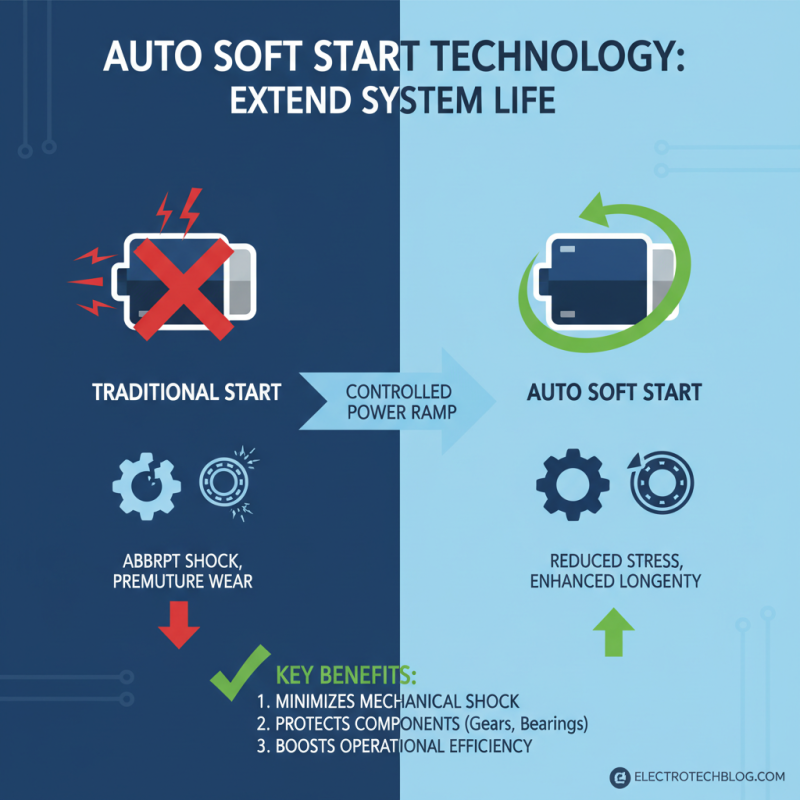
Hey, in today’s super fast-moving tech world, making sure our electrical systems run smoothly and last longer is more important than ever. One cool solution that’s really been catching on in various industries is the Auto Soft Start tech. Basically, it’s a way to slowly ramp up power to motors and equipment instead of jumping straight to full blast, which helps reduce the stress on both the electrical parts and the machinery. As companies look for ways to be more sustainable and save some cash, understanding why Auto Soft Start is such a game-changer is actually pretty important for decision-makers.
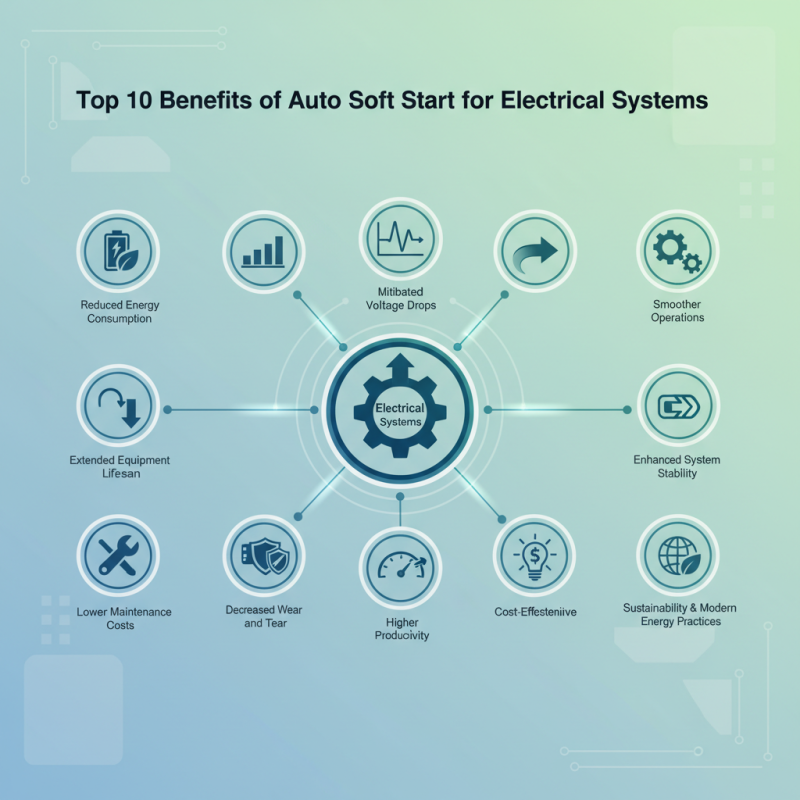
The perks? Well, for starters, it cuts down on energy use and helps your machines last longer. Plus, it makes the whole system more stable by preventing voltage drops, resulting in smoother operations. And if you think about maintenance, Auto Soft Start really helps lower those costs because it puts less strain on components, meaning fewer repairs and downtime. By checking out the top ten benefits of this tech, businesses can make smarter choices that not only boost efficiency but also align with modern energy-saving trends and sustainability goals. It’s honestly a win-win all around.
Understanding Auto Soft Start: A Definition and Overview
Auto soft start technology is revolutionizing the way we approach electrical systems, providing a smoother and more efficient operation. At its core, auto soft start refers to a method of gradually ramping up the power supplied to machinery, reducing the initial surge that typically occurs when equipment is powered on. This approach not only protects sensitive components but also minimizes wear and tear on both electrical and mechanical systems. According to a report by the National Electrical Manufacturers Association, implementing auto soft start can reduce mechanical stress by up to 50%, significantly extending the lifespan of motors and associated equipment.
Incorporating auto soft start can lead to substantial energy savings. Research indicates that the use of this technology can save up to 30% in energy consumption during the startup phase of motors. This efficiency translates not only to lower energy costs but also to a reduced carbon footprint. As energy regulations become stricter, businesses are increasingly adopting soft start systems to remain compliant and enhance sustainability efforts.
Tips:When considering the installation of auto Soft Start Devices, it’s essential to assess the specific needs of your electrical system. Consulting with an electrical engineer to evaluate the compatibility and advantages of auto soft start for your motors can ensure optimal performance. Additionally, regular maintenance and monitoring of the soft start systems can enhance their effectiveness and prolong their operational lifespan.
How Auto Soft Start Enhances Equipment Lifespan
The implementation of an auto soft start feature in electrical systems significantly contributes to enhancing the lifespan of equipment. By gradually ramping up the voltage and current during the start-up phase, Soft Starters minimize the initial mechanical shock that motors and associated machinery may experience. This cautious approach to power initiation helps to prevent the wear and tear associated with sudden jolts and high starting currents, ultimately reducing maintenance costs and prolonging the operational life of critical components.
Additionally, auto soft start technology plays a crucial role in protecting electrical systems from voltage spikes that can occur during traditional start-up processes. These voltage spikes can lead to overheating and excessive strain on electrical parts, which may result in premature failures. By maintaining a controlled power input, soft starters not only ensure smoother operations but also significantly reduce the risk of damage to sensitive components. This protective measure fosters a stable operating environment, allowing machines to function more efficiently over time, ultimately enhancing their durability and reliability.
The Role of Auto Soft Start in Energy Efficiency
Auto soft start technology is a crucial advancement in optimizing energy efficiency for electrical systems. By gradually ramping up the voltage applied to motors, auto soft start reduces the initial current surge that typically occurs when equipment is powered on. This mitigates energy waste and lowers the peak demand, which can significantly reduce electricity costs over time. Moreover, this control mechanism enhances the lifespan of electrical components by minimizing mechanical stress during startup, leading to fewer maintenance requirements and downtime.
When implementing auto soft start systems, consider these tips to maximize energy efficiency: First, evaluate the specific needs of your motor applications. Customizing settings according to load type can enhance performance and energy savings. Second, regularly monitor and maintain your auto soft start devices to ensure they operate optimally. A well-maintained system is crucial for sustaining energy savings and improving the overall efficiency of your electrical systems.
In addition, employing auto soft start can lead to improved system reliability. By lessening the mechanical shock during startup, equipment operates more smoothly, which in turn can lead to energy savings during normal operation. Ensure that your operators are trained in the benefits of using soft start systems, as better operational practices help in maximizing the advantages of this technology in terms of energy efficiency.
Reducing Mechanical Stress with Auto Soft Start Technology
Auto Soft Start technology plays a crucial role in reducing mechanical stress on electrical systems, thereby enhancing their longevity and operational efficiency. Traditional systems that utilize direct-on-line starting can subject motors and connected components to excessive initial torque, leading to abrupt mechanical shock. This shock can result in premature wear and tear of gears, bearings, and other vital parts. By employing a soft start mechanism, the acceleration of motors is controlled, ensuring that the mechanical load is gradually introduced. Consequently, this method minimizes the risk of damage and maintains system integrity over time.
Additionally, the benefits of implementing auto soft start technology extend beyond mere mechanical protection. With a gradual build-up of speed during startup, there is a significant reduction in power surges that can affect the overall electrical network. This gradual approach not only stabilizes the operation of the machinery but also lowers energy consumption during the initial phase, ultimately leading to cost savings. The combination of lower mechanical stress and improved energy efficiency positions auto soft start as a pivotal advancement for modern electrical systems.
Minimizing Electrical Surges and Their Impact
Electrical surges can inflict significant damage on electrical systems, leading to costly repairs and downtime. The implementation of auto soft start technology helps mitigate the severity of these surges. According to a report from the Electrical Reliability Council of Texas, electrical equipment can sustain damage from voltage spikes that exceed their rated limits, which can, in turn, affect overall system reliability. By gradually ramping up voltage and current, auto soft start minimizes the initial surge current experienced by motors and other connected devices, reducing the risk of electrical failure.
Moreover, a study conducted by the National Electrical Manufacturers Association indicates that incorporating soft start features can lead to energy savings, with approximately 30% less peak demand recorded during startup phases. This is particularly beneficial for industrial applications where large motors frequently cycle on and off. The soft start mechanism not only protects equipment but also enhances operational efficiency, ultimately minimizing the detrimental influence of electrical surges on your systems. As organizations become increasingly reliant on complex electrical networks, the adoption of auto soft start technologies becomes essential for preserving the integrity and longevity of these systems.
Improving System Performance with Soft Start Features
The implementation of auto soft start features in electrical systems presents a significant enhancement to system performance. By gradually ramping up the voltage and current during startup, soft start technologies minimize the initial inrush current, which can lead to voltage drops and potential damage to equipment. This smooth transition not only protects sensitive components but also reduces stress on the entire electrical system, ensuring increased reliability and longevity.
Additionally, the soft start capability contributes to improved energy efficiency. Traditional systems often consume excessive energy during startup, leading to wastage and higher operational costs. In contrast, with soft start features, energy consumption is optimized, as the system only draws the necessary amount of power during the initial phase. This not only enhances performance but also promotes a more sustainable approach to energy use, making it an attractive solution for businesses aiming to improve their operational efficiency.
Top 10 Benefits of Auto Soft Start for Your Electrical Systems
This chart illustrates the top 10 benefits of using auto soft start features in electrical systems, highlighting improvements in performance and efficiency.
Cost-Effectiveness of Implementing Auto Soft Start Systems
The implementation of auto soft start systems in electrical setups is not only a strategic move for operational efficiency but also a significant cost-saving measure. According to a report by the U.S. Department of Energy, motors can consume up to 70% of the total energy used in industrial applications, with a substantial portion wasted during startup. By employing soft start technology, businesses can mitigate inrush currents that typically occur when electric motors are turned on, significantly reducing wear and tear on mechanical components and extending equipment life by as much as 30%. This improvement can translate into considerable savings on replacement costs and decreased downtime for repairs.
Moreover, soft start systems contribute to enhanced energy efficiency. A study from the Electric Power Research Institute indicates that implementing these systems can lead to energy savings of approximately 20-30% during operational phases. With reduced load on the electrical grid, companies can also benefit from lower demand charges typically associated with high startup current draws. As these systems facilitate smoother operations, the overhead costs related to energy consumption and maintenance are drastically reduced, enabling organizations to allocate resources more effectively. In this context, adopting auto soft start technology is not merely an initial expenditure but a long-term investment that fosters both financial and operational advantages.
Conclusion
Auto Soft Start technology offers several key advantages for electrical systems, enhancing their efficiency and longevity. By providing a gradual ramp-up of voltage, Auto Soft Start minimizes mechanical stress on equipment, significantly reducing wear and tear over time. This gentle start-up process not only extends the lifespan of motors and other components but also optimizes energy consumption, leading to improved overall system performance.
Moreover, Auto Soft Start plays a crucial role in minimizing electrical surges that can potentially harm equipment and destabilize the electrical grid. This feature contributes to a more reliable system operation while also being cost-effective, as it reduces the need for frequent repairs and replacements. Ultimately, incorporating Auto Soft Start systems can result in a more durable, efficient, and economical electrical setup.