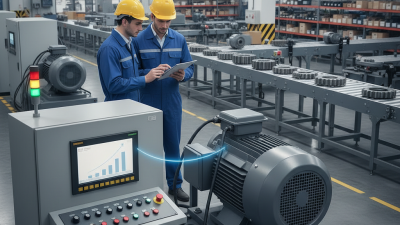
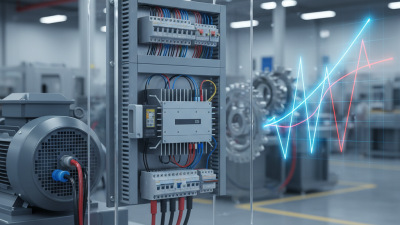
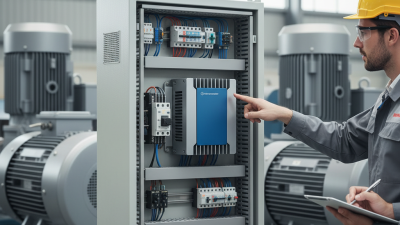
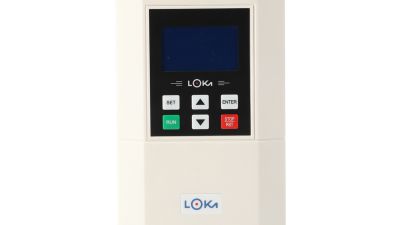
In today’s ever-changing world of industrial automation, Soft Start Starters are really becoming a must-have. I mean, an industry veteran like John Smith from Automation Innovations even stresses just how important they are — he says, 'Soft Start Starters make machines safer and more efficient.' Basically, these devices help control how electric motors start up, cutting down on those annoying inrush currents and putting less stress on the mechanical parts. They’re super critical in fields like manufacturing and mining, where equipment needs to keep running smoothly and last longer.
Using a Soft Start Starter not only helps your equipment last longer, but it can also save energy. For example, it prevents those big energy spikes that can happen at startup, so your production line keeps humming without hiccups. That said, picking the right one isn’t just a toss-up — you’ve gotta really think about what your specific needs are and what each starter offers.
The market’s flooded with options, which can be totally overwhelming. They come with different control modes and integration features, so understanding what each offers is key. Making the wrong choice could lead to inefficiencies — nobody wants that! Getting to know the strengths and limitations of various Soft Start Starters can save you time, money, and headaches down the line. Honestly, jumping on this technology is a smart move if you’re aiming for more modern and efficient industrial operations.
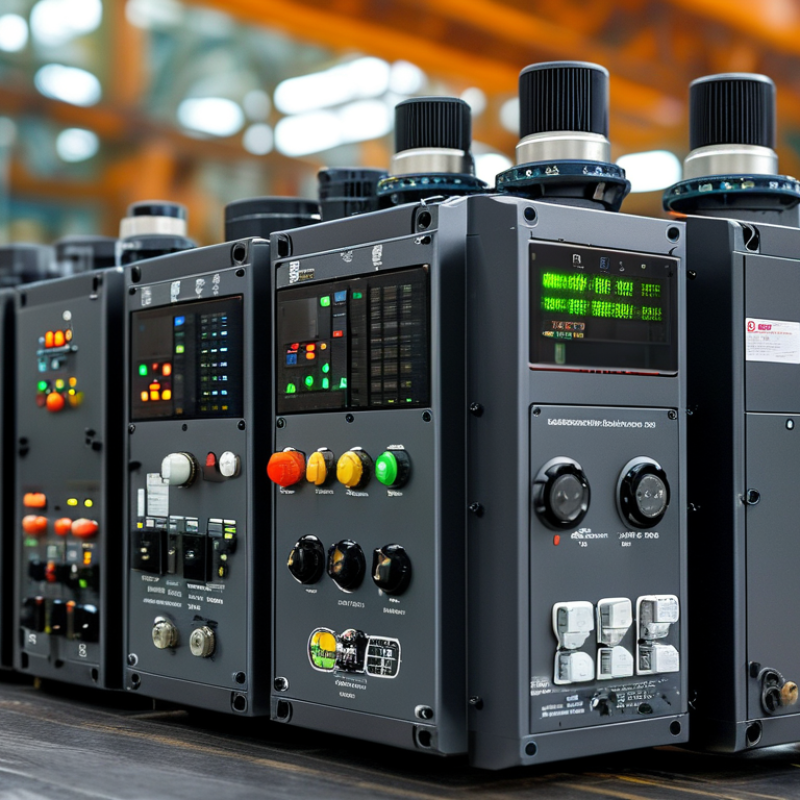
Overview of Soft Start Starters in Industrial Applications
Soft start starters play a crucial role in industrial applications, ensuring smooth motor operation while minimizing wear and tear. These devices help reduce the initial inrush current when electrical motors start, which can lead to potential damage or unplanned downtime. In environments where machinery operates continuously, this feature is especially valuable. A Soft Start Motor Starter helps maintain system reliability, enhancing overall efficiency.
The implementation of Soft Starters can vary significantly based on specific industry needs. For example, in manufacturing plants, large motors can cause voltage drops during start-up. This can disrupt other equipment. A proper soft start motor starter not only mitigates this risk but also helps maintain consistent performance over time. However, choosing the right model requires consideration of power ratings and compatibility with existing systems. There may be instances where a less suitable model could lead to inefficiencies or operational issues.
While the benefits are clear, there can be challenges in integration. Some businesses may face difficulties aligning the soft start motor starter with legacy systems. Upgrading outdated components can also incur high costs. It is essential to have thorough evaluations and expert consultations before implementation. This reflective approach ensures a smoother transition to advanced motor starting solutions, enhancing industrial operation without compromising on reliability.
Understanding the Benefits of Soft Start Technology
Soft start technology has revolutionized industrial motor control. This technology gradually ramps up motor voltage, reducing inrush current. Studies show that this can cut energy consumption by up to 40% during startup. As a result, equipment lifespan may be extended, leading to significant savings in maintenance costs. Shock loading is minimized, reducing stress on mechanical components.
One major benefit of soft start technology is its ability to prevent electrical disturbances. According to the Institute of Electrical and Electronics Engineers (IEEE), using a soft starter can reduce voltage dips that cause system failures. In high-demand environments, this reliability is essential. Moreover, operators often find it easier to manage system loads.
Tip: Always assess your specific application before installation. Not every scenario requires soft start technology. Consider the initial cost versus long-term savings. Comparing these factors can provide clarity in decision-making. Some facilities may skip this critical evaluation, potentially leading to overspending. Think about how these choices affect overall efficiency and reliability. Focus on the benefits but remain aware of possible pitfalls.
Factors to Consider When Choosing a Soft Start Starter
When selecting a soft start starter for industrial applications, various factors come into play. One key aspect is the motor size. Ensure the soft starter matches the power requirements of your motor. Over or under-sizing can lead to performance issues or damage. Additionally, assess the starting torque needed. Different applications demand variable torque levels. This will affect the performance and lifespan of the soft starter.
Another critical consideration is the control features offered. Look for models that provide adjustable starting ramps and voltage controls. These features help fine-tune the starting process, reducing mechanical stress and prolonging equipment life. Environmental factors also matter. If your operations occur in extreme temperatures or dusty environments, choose a soft starter designed to withstand those conditions.
Always review the manufacturer’s documentation. This provides insight into the soft starter’s capabilities and limitations. Ensure it meets safety standards relevant to your industry. Reflection on past experiences with equipment failures or malfunctions can guide your choice. Prioritize reliability and efficiency to ensure smooth operations and minimal downtime.
Top 10 Soft Start Starters for Your Industrial Needs
| Model | Voltage (V) | Current Rating (A) | Control Type | Features |
| Soft Starter A | 415 | 30 | Digital | Overload protection, adjustable ramp time |
| Soft Starter B | 230 | 20 | Analog | Built-in bypass, LED status indicator |
| Soft Starter C | 380 | 50 | Digital | Integrated fault diagnostics |
| Soft Starter D | 500 | 40 | Analog | Smart start mode, adjustable torque control |
| Soft Starter E | 600 | 35 | Digital | Phase loss detection, soft stopping |
| Soft Starter F | 400 | 45 | Analog | Compact design, user-friendly interface |
| Soft Starter G | 230 | 25 | Digital | Multi-voltage functionality |
| Soft Starter H | 480 | 60 | Analog | Built-in control transformer |
| Soft Starter I | 400 | 50 | Digital | Remote control options, programmable features |
| Soft Starter J | 230 | 15 | Analog | Energy-saving mode, robust enclosure |
Top Features of High-Quality Soft Start Starters
When selecting a soft start starter for industrial needs, certain features stand out. A high-quality Soft Start Motor Starter 3 Phase ensures smoother motor acceleration. This minimizes mechanical stress, reducing wear over time. Voltage ramp-up controls are essential. They allow for gradual power increases, enhancing equipment lifespan.
Additionally, monitoring capabilities are crucial. Many starters now offer real-time tracking of motor performance. This helps identify potential issues before they escalate. User interfaces should be intuitive, enabling quick adjustments. It's important to feel comfortable with the controls, especially under stress.
Reliability cannot be overlooked. Soft start starters must perform consistently under varying conditions. A well-designed starter will handle fluctuations without failure. Moreover, manufacturers often provide data on efficiency. This helps in making informed decisions. Without proper information, choosing the right equipment can be frustrating. Emphasizing these features leads to better operational outcomes, even if there’s no one-size-fits-all solution.
Detailed Review of the Best 10 Soft Start Starters Available
In the industrial sector, soft start starters play a crucial role in optimizing equipment performance and enhancing operational efficiency. These devices manage motor startups gently, reducing mechanical stress and improving longevity. According to a 2022 industry report, soft start technologies can decrease energy consumption by up to 30% during motor startup phases. This is significant for businesses aiming to minimize operational costs while maintaining productivity.
When evaluating options in the market, one should consider several factors. The installation process is often underestimated. A complex setup can lead to delays and increased labor costs. Additionally, understanding the specific needs of your operations will help you choose the right soft start solution. Selecting a reliable Soft Start Starter Supplier can provide invaluable insights into product specifications and application compatibility. Many suppliers offer robust customer support tailored to unique industrial requirements.
However, not all soft start starters are created equal. Some may lack the necessary features for specific applications, leading to potential inefficiencies. This highlights the importance of conducting thorough research. Matching the soft start starter to your operational demands requires careful consideration. Emphasizing performance, reliability, and energy efficiency will guide the decision-making process effectively.
Comparative Analysis of Performance Metrics for Top Starters
When choosing soft start starters for industrial applications, performance metrics are critical. These include starting current control, acceleration time, and torque management. Recent industry reports highlight that effective soft starters can reduce inrush current by up to 70%. This significant reduction minimizes mechanical stress on equipment.
In terms of acceleration time, the ideal soft starter can achieve a smooth ramp-up in just 3 to 10 seconds. This gradual increase is essential for reducing wear on machinery. Torque management features also enhance efficiency, providing consistent performance. Research indicates that systems with optimized torque profiles can improve energy consumption by around 20%.
Despite these advantages, many users may overlook the importance of precise calibration. Improperly set parameters can lead to inefficiencies. For instance, too slow of an acceleration may cause excess heat in the motor. Conversely, too rapid can create mechanical strain. Therefore, assessing each starter's specifications is vital. This assessment helps align performance with operational needs, ensuring reliability in industrial environments.
Maintenance Tips for Optimal Performance of Soft Start Starters
Maintaining soft start starters is crucial for optimal performance in industrial settings. Regular inspections help identify wear and tear. A study by the International Society of Automation indicates that 30% of soft starters fail due to poor maintenance. Routine checks can prevent these failures. Vibration, dust, and temperature changes can affect performance. Monitoring these environmental factors is essential to ensure the longevity of your equipment.
Proper installation of soft start starters is another key aspect. A common mistake is ignoring manufacturer guidelines. This can lead to inefficiencies and increased operational costs. In fact, the Electrical Engineering Journal reports that improper setup can decrease efficiency by up to 25%. A comprehensive maintenance schedule should include regular updates from reliable Soft Start Starter Manufacturers. This ensures that the equipment runs smoothly and reliably under varying operational conditions.
Additionally, employees should be adequately trained. Often, gaps in knowledge lead to operational mistakes. A survey showed that 40% of operators are unfamiliar with components of soft starters. This lack of understanding can result in avoidable downtime. Investing in training not only enhances performance but also fosters a culture of safety and reliability in your facility. Employing practical measures can significantly improve equipment lifespan and effectiveness.
Top 10 Soft Start Starters for Your Industrial Needs
This chart illustrates the start-up current consumption of the top 10 soft start starters suitable for industrial applications. Understanding these parameters is crucial for optimal performance and maintenance of soft start starters.
Optimizing Industrial Processes: The Advantages of the LCRV5-A External Bypass Soft Starter
In today's industrial landscape, optimizing processes is crucial for enhancing efficiency and reducing operational costs. One of the significant advancements in motor control technology is the adoption of external bypass soft starters, such as the LCRV5-A model. This system not only features an innovative design but also offers superior isolation and insulation benefits, which are critical in minimizing electrical noise and enhancing overall performance. According to industry reports, proper motor control systems can reduce energy consumption by up to 30%, demonstrating the tangible benefits of implementing advanced technologies.
The LCRV5-A's design facilitates reliable heat dissipation, addressing one of the primary challenges in electrical control systems. Effective thermal management is vital—as noted in the latest IEEE studies—because overheating can lead to equipment failure and increased maintenance costs. With its efficient bypass mechanism, the LCRV5-A ensures that motors run smoothly and efficiently, safeguarding against potential overloads and extending equipment lifespan. Data from recent evaluations highlight that using soft starters can decrease mechanical stress on motors, thus potentially doubling their operational lifespan.
As industries continue to seek ways to enhance performance while controlling costs, technologies like the LCRV5-A external bypass soft starter stand out as a vital component in the evolution of industrial process optimization. By harnessing its advanced features, businesses can achieve significant advantages in efficiency, reliability, and overall productivity, setting a new standard in motor control operations.
FAQS
: Consider motor size and starting torque needs. Ensure they match your application's requirements.
Different applications demand variable torque levels. This affects the soft starter's performance and lifespan.
Look for adjustable starting ramps and voltage controls. These features optimize the starting process and reduce stress.
Yes, extreme temperatures or dust can impact performance. Choose starters designed for such conditions.
Review the manufacturer's documentation for capabilities and safety standards relevant to your industry.
Key metrics include starting current control, acceleration time, and torque management for efficient operation.
A good soft starter should ramp up in 3 to 10 seconds for reduced wear on machinery.
Incorrectly set parameters can lead to inefficiencies, causing excess heat or mechanical strain in motors.
It ensures alignment of performance with operational needs, maximizing reliability in industrial environments.
Optimized torque profiles in soft starters can enhance energy consumption by around 20%.
Conclusion
The article "Top 10 Soft Start Starters for Your Industrial Needs" provides a comprehensive overview of soft start starters, emphasizing their critical role in industrial applications. Soft start technology enhances operational efficiency by reducing inrush current, thereby protecting motors and extending their lifespan. The article delves into the various benefits of these devices, such as smoother startups, reduced mechanical stress, and energy savings.
When selecting a soft start starter, factors like compatibility, control features, and installation ease are essential. The article outlines the key features to look for in high-quality starters and presents a detailed review of the top 10 options available on the market today. A comparative analysis highlights performance metrics, enabling readers to make informed decisions. Additionally, maintenance tips for optimal performance ensure that users can maximize the longevity and efficiency of their soft start starters.