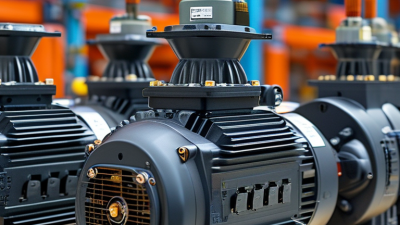
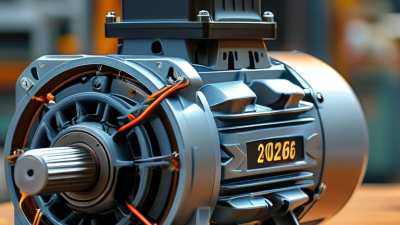
So, China’s motor-control market keeps growing — you see it across manufacturing, water treatment, HVAC, and renewable-energy projects. More and more, these sectors want controlled starting, less mechanical stress, and better power quality. A Soft Start Invertercan help with that, though the term itself isn’t exactly standardized. Some suppliers use the same label for variable-frequency drives, Soft Starters, or hybrid systems — which can get confusing.
Industry reports help fill in the picture. The IEA’s Renewables 2024 report, for example, expects global renewable capacity to rise by almost 5,500 GW between 2024 and 2030. That kind of growth needs dependable motor systems for pumps, fans, conveyors, and cooling equipment. Grand View Research and MarketsandMarkets also point to industrial motor control, energy efficiency, and automation as key market drivers. Their findings make a good case for looking more closely at Chinese manufacturers instead of just trusting product claims.
This guide takes a practical look at China’s top 10 Soft Start Inverter manufacturers. I’ll focus on things like starting current, ramp-time control, overload capacity, bypass design, enclosure protection, certification, testing, and after-sales support. Application experience matters too. A pump station may need different protection than a stone crusher or a factory conveyor. Datasheets can look great — field performance is harder to verify. So treat this ranking as a research starting point, not the final word. Company scale, export records, engineering capability, and how quickly they respond will also shape your final choice. And keep in mind that some details may change as manufacturers update their product lines. That’s a limitation worth paying attention to.
What Is a Soft Start Inverter and How Does It Work?
A soft start inverter controls how an electric motor receives power during startup. Instead of applying full voltage immediately, it increases the voltage gradually. This reduces the sudden current surge that can cause lights to flicker, breakers to trip, or belts to jerk.
Inside the unit, power electronics measure motor conditions and adjust the output waveform within milliseconds. The motor begins turning gently, then reaches its programmed speed. In practical use, a pump may start without a loud pipe shock, while a compressor can avoid a harsh mechanical kick. The inverter may also control speed during operation, improving energy use when full power is unnecessary. Small details matter. Correct motor sizing matters more than impressive marketing claims.
A qualified Soft Start Inverter Supplier should provide clear current ratings, wiring diagrams, thermal limits, and protection functions. Installation should match the motor type, load profile, and local electrical requirements. Experienced technicians usually check starting torque, ambient temperature, cable length, and enclosure ventilation before commissioning. A workshop test with a clamp meter can reveal abnormal current before field installation. Still, soft starting does not solve every problem. An undersized motor, damaged bearing, or poor connection may remain hidden. I have seen equipment start smoothly and still fail later because maintenance was ignored. That is an uncomfortable lesson. Specification sheets help, but real operating conditions deserve equal attention.
Why China Has Become a Major Soft Start Inverter Manufacturing Hub
China has become a major soft start inverter manufacturing hub through dense industrial networks, practical engineering, and responsive supply chains. In factories across coastal production zones and inland electrical clusters, suppliers can source power modules, control boards, enclosures, displays, and cooling parts nearby. This proximity reduces coordination time and supports faster design changes. It also helps manufacturers produce customized voltage, current, communication, and enclosure options for pumps, conveyors, compressors, and fans. Real factory experience matters here. Engineers often test units under heat, dust, voltage fluctuation, and repeated motor starts. These conditions reveal weaknesses that laboratory demonstrations may miss.
China’s broad electronics ecosystem creates another advantage. Semiconductor distributors, PCB assemblers, machining workshops, testing laboratories, and logistics providers operate within the same commercial environment. Manufacturers can check component availability quickly and adjust production when parts become scarce. Large domestic demand also generates useful feedback. A soft starter used in a water plant may face different problems than one installed in a stone-processing workshop. Field data can improve thermal protection, ramp control, fault recording, and service manuals. Not every supplier performs equally well. Some still need stronger documentation, clearer test records, and more consistent technical support.
When assessing China’s top ten soft start inverter manufacturers, buyers should examine more than factory size or catalog range. Ask for efficiency curves, overload ratings, operating temperature limits, quality procedures, and representative test reports. Independent verification remains valuable. So does a sample unit. Reliable suppliers explain limitations instead of promising perfect performance. Cost matters, but stable operation and accessible support often determine the real purchase value. China’s manufacturing strength is substantial, though it continues to mature through stricter testing and more transparent engineering.
How to Identify China’s Top Soft Start Inverter Manufacturers
How to Identify China’s Top Soft Start Inverter Manufacturers
Choosing a reliable Soft Start Inverter Manufacturer requires more than comparing online prices. Examine factory experience, engineering capacity, and documented production controls. A credible supplier should explain its circuit design, overload protection, cooling method, and expected service life clearly. Ask for test reports covering voltage stability, thermal performance, insulation, and electromagnetic compatibility. Independent laboratory evidence is more useful than attractive product photographs.
Visit the facility when possible. Watch how technicians inspect circuit boards, tighten terminals, and record test results. Production details matter. Check whether the manufacturer uses traceable components and performs aging tests before shipment. Request samples for a controlled trial with your motor, load profile, and starting frequency. A supplier experienced with pumps may not understand cranes or compressors. That difference can become expensive. I would also review installation manuals, response times, spare-part policies, and references from similar industrial users. A perfect claim deserves careful questioning.
Tips: Prepare a written checklist before contacting suppliers. Compare identical technical requirements, not vague quotations. Ask how failures are analyzed and corrected. Request a video audit if travel is impractical. Confirm export documentation and applicable safety standards for your destination. Do not rely on one sample alone; field conditions can expose weaknesses that laboratory tests miss. Even a well-presented factory may have inconsistent after-sales support, so test communication before signing a contract.
China’s Top 10 Soft Start Inverter Manufacturers by Core Strengths
China’s Top 10 Soft Start Inverter Manufacturers by Core Strengths
China’s leading ten soft start inverter manufacturers are best compared by engineering strengths, not advertising claims. Some focus on compact drives for pumps and fans. Others build heavy-duty systems for conveyors, compressors, and industrial mixers. Their core advantages may include thermal design, motor protection, low-speed control, or flexible communication interfaces. A dependable Soft Start Inverter Factory should provide test records, clear wiring diagrams, and traceable quality procedures. These details often reveal more than a polished catalogue.
Field experience shows that practical performance depends on installation conditions. A dusty workshop may require stronger enclosure protection. A chilled-water pump needs stable ramp control and reliable overload handling. Manufacturers with application engineers can adjust acceleration time, bypass settings, and fault limits more accurately. Certification support also matters for international projects. Still, no supplier is perfect. Some products perform well in laboratories but need further testing under unstable voltage or frequent starts.
Tips: Ask for sample units, load-test reports, service response times, and spare-part policies. Check whether the supplier has tested your motor type, cable length, and ambient temperature. Compare efficiency, noise, heat output, and parameter access. Do not judge solely by the lowest quotation. A cheaper inverter may create higher maintenance costs later. Recheck every technical claim with independent records.
Key Products, Technologies, and Industries Served by Leading Manufacturers
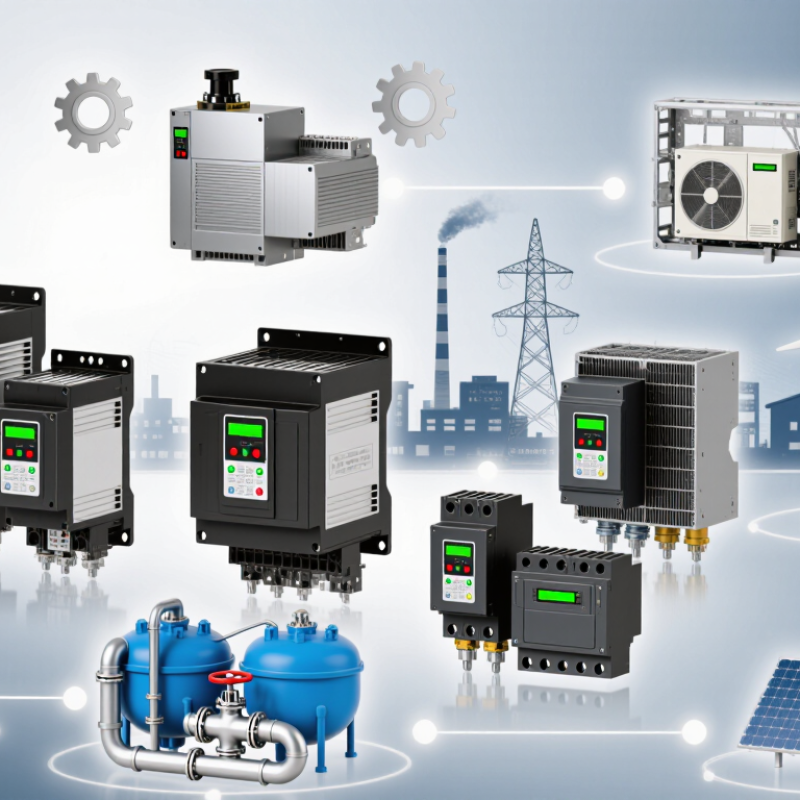
China’s top ten soft start inverter manufacturers serve factories, water plants, warehouses, and renewable energy projects. Their key products combine motor soft starting, variable-frequency control, and inverter protection. Common technologies include sensorless vector control, built-in bypass circuits, overload monitoring, and regenerative braking. These features reduce startup current and protect pumps, compressors, conveyors, and fans.
Leading manufacturers usually provide compact wall-mounted units and cabinet systems for larger installations. Industrial models often support remote monitoring, programmable acceleration, and communication protocols for automation networks. Some suppliers focus on high-humidity environments, while others develop units for cranes, elevators, or solar-powered irrigation.
In practice, cooling design matters greatly. A clean cabinet can outperform a stronger unit installed in poor conditions. No ranking is perfect. Technical fit changes by industry, motor size, and local service capacity.
Tips: Ask for complete test data, not only catalog claims. Check efficiency at partial load, thermal limits, warranty terms, and replacement-part availability. Request a sample commissioning plan for your motor and load. Confirm whether the manufacturer has experience with dusty workshops, unstable grids, or frequent starts. Engineers should also review harmonic distortion and grounding requirements before purchase. A low price may look attractive, but it can create expensive downtime later.
How to Compare Quality, Certifications, Pricing, and After-Sales Support
China Top 10 Soft Start Inverter Manufacturers?
When comparing Soft Start Inverter Factories , inspect more than factory photos and sales claims. The International Energy Agency reports that electric motor systems use over 40% of global electricity. Small efficiency losses can therefore become significant operating costs. Request load-test records, thermal derating curves, insulation details, and failure-rate data. Verify whether the product is a soft starter, variable-frequency drive, or a combined controller. These devices do not offer identical performance.
Certifications need careful checking. IEC 60947-4-2 covers semiconductor motor controllers and starters, while ISO 9001 supports documented quality procedures. Ask for current certificates, test laboratory details, serial-number traceability, and reports matching the exact model. TÜV Rheinland’s 2024 industrial quality research highlights traceability and process control as major reliability factors. Pricing should include programming, freight, spare parts, commissioning, and warranty coverage. A cheaper quotation may hide higher integration costs. My own comparisons often find this gap after installation, not before. No checklist is perfect.
Tips: Test two samples under real load before ordering. Request a written response-time target for faults. Compare spare-board availability for five years. Also check firmware access, English manuals, remote diagnostics, and engineer training. The U.S. Department of Energy notes that efficient motor-system management can reduce industrial energy use, but savings depend heavily on correct sizing and commissioning. Ask suppliers to show those calculations.
Conclusion
This guide introduces the Soft Start Inverter, explaining how it combines inverter control with gradual motor acceleration to reduce starting current, mechanical stress, voltage fluctuations, and energy waste. It also examines why China has become a major manufacturing hub, supported by a broad industrial supply chain, engineering capabilities, production capacity, and competitive customization services. Readers will learn how to identify reliable manufacturers by reviewing technical expertise, product consistency, factory capabilities, certifications, testing procedures, and customer support.
The article presents China’s top 10 Soft Start Inverter manufacturers according to core strengths rather than brand popularity, including innovation, product range, customization, industrial applications, and international service capabilities. It also compares key products, control technologies, and industries served, such as pumps, compressors, fans, conveyors, HVAC systems, and other motor-driven equipment. Finally, it explains how to evaluate quality, compliance certifications, pricing, warranty coverage, spare parts availability, installation guidance, and after-sales response before selecting a suitable supplier.