In the world of industrial machinery, Soft Starters are pretty much essential for keeping things running smoothly. I remember reading what John Smith from PowerTech Solutions once said—he's a bit of a legend in the field—that these devices really help reduce mechanical stress and extend the lifespan of equipment. It’s a simple quote, but it really hits home, showing just how important Soft Starters are in today’s setups.
Basically, Soft Starters are designed to limit the huge surge of current that happens when motors first kick in. By controlling how quickly the motor ramps up, they help avoid those jarring jolts that can damage machinery. That said, figuring out how to use them effectively isn’t always straightforward. A lot of operators tend to miss some key details, which can lead to less-than-ideal results.
In real-world scenarios, you see pretty mixed outcomes—they depend a lot on how well these starters are integrated into the existing systems. Some industries see major benefits, while others run into hiccups. Looking back and reflecting on how they’re put in place can really help identify what needs tweaking. Overall, it’s pretty clear that Soft Starters offer a lot of advantages, but getting the most out of them really takes careful planning and ongoing adjustments.
Definition of Soft Starters and Their Primary Purpose
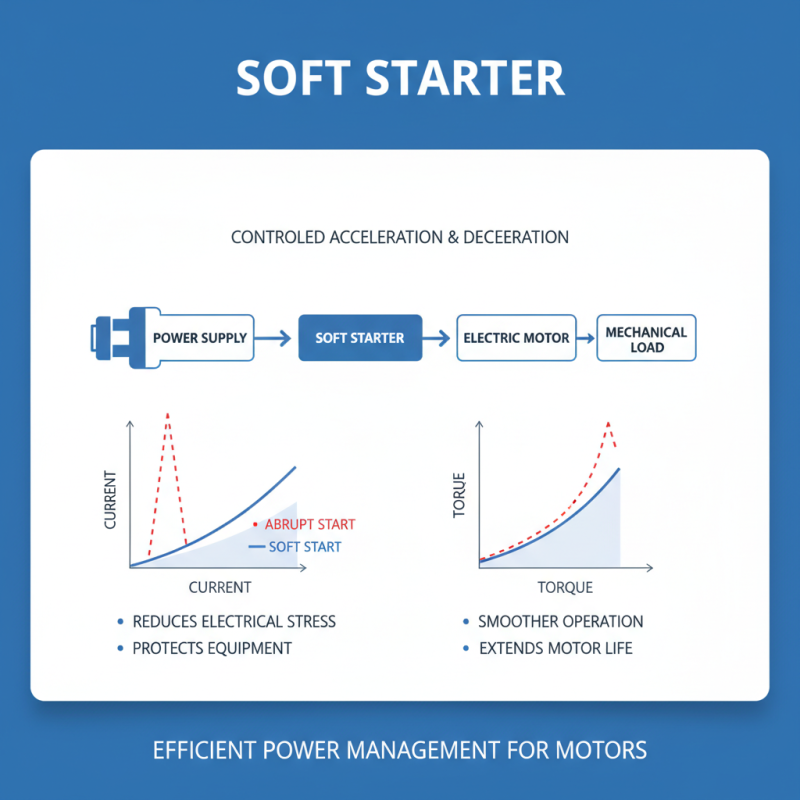
Soft starters are crucial devices in industrial settings. They are designed to control the electrical current and manage the initial start-up phase of motors. Their primary purpose is to reduce the inrush current that occurs when an electric motor starts. This inrush current can be several times higher than the motor’s full-load current. By managing this surge, soft starters help to protect motors and extend their lifespan.
These devices work by gradually ramping up the voltage supplied to the motor. This gradual increase in voltage minimizes mechanical stress and electrical shock to the system. It makes a considerable difference in how smoothly machines operate. However, using soft starters can sometimes lead to miscalculations. If not sized correctly, they might not provide adequate performance for larger loads. It's important to accurately assess the entire application before implementation.
Variable Speed Drives And Soft Starters often complement each other in applications. While soft starters focus on gentle motor initiation, variable speed drives manage motor speed effectively. The interplay between these technologies creates a more efficient system. Yet, users might overlook the importance of regular maintenance on these devices. Regular checks could help in identifying issues early, ensuring optimal functionality.
Components of a Soft Starter System
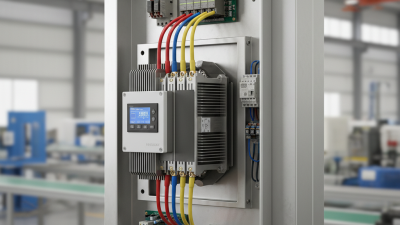
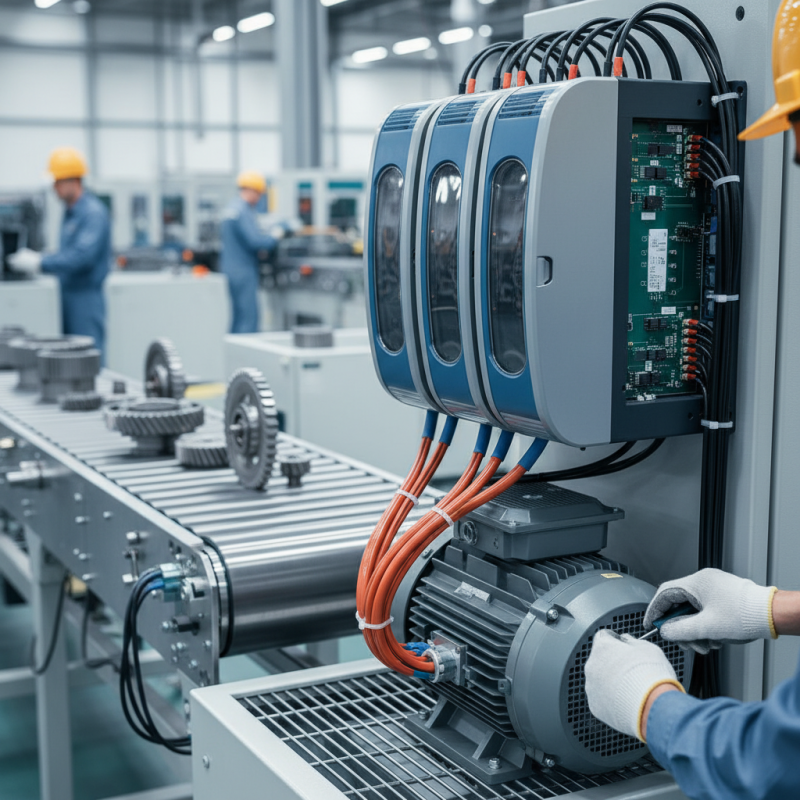
A soft starter system is essential in controlling motor start-up. It gradually increases the voltage, reducing mechanical stress. The main components of this system include a control circuit, semiconductor devices, and an inverter. Each plays a crucial role in ensuring smooth operation.
The control circuit manages the entire process. It determines how quickly the voltage increases. The semiconductor devices, often thyristors, handle the actual power flow. They switch on and off rapidly, managing the starting torque. An inverter may also be present, directing power more efficiently.
Tip: Ensure regular maintenance of these components. This can prevent unforeseen failures. Inspect connections and clean any dust buildup.
Another important aspect is the sizing of a soft starter. An under-rated starter may not handle the load effectively. It could lead to overheating or damage. Always consult with a Soft Starters Supplier for proper guidance.
Balancing cost and quality is tricky. Cheaper options might save money upfront but could lead to reliability issues. Take time to assess your needs before purchasing.
How Soft Starters Control Motor Start and Stop
Soft starters are devices used to control the acceleration and deceleration of electric motors. They help manage the electrical current supplied to the motor. By doing so, they reduce stress on the motor and connected equipment during startup and shutdown. This is vital because motors can draw a large amount of current if started abruptly.
When a motor starts, a soft starter gradually increases the voltage. This gradual ramp-up helps prevent sudden jolts, which can damage the motor. Instead of a quick surge, the motor gains speed smoothly. This method not only enhances the motor's lifespan but also minimizes wear on mechanical components such as gears and belts.
Stopping the motor is equally important. Soft starters can gradually decrease the power supply. This controlled stop reduces the risk of mechanical shock. However, not all applications benefit equally from soft starters. In some cases, users may need to reflect on their specific motor requirements. Understanding when and how to use these devices can lead to better operational efficiency. Adjusting settings may be necessary for optimal performance.
Benefits of Using Soft Starters in Industrial Applications
Soft starters play a crucial role in managing electric motor operations. They allow for a smooth start-up by gradually increasing the voltage supplied to the motor. This gradual ramp-up minimizes electrical and mechanical stress. In industries, this feature is particularly beneficial for reducing wear and tear.
Implementing soft starters in industrial settings results in significant energy savings. Motors draw less current during start-up, which reduces the peak demand on electrical systems. A softer start means less sudden load on machinery. Equipment longevity increases as a result. Additionally, fewer incidents of vibration improve the operational stability of machines.
One challenge is the initial investment. Companies must weigh costs against long-term savings. Not every application requires a soft starter. Some processes benefit from direct-on-line starting. Evaluating the specific needs of operations is vital. This reflection helps determine if soft starters are the right fit.
Benefits of Using Soft Starters in Industrial Applications
Common Applications for Soft Starters in Various Industries
Soft starters are essential devices in many industries. They help control the starting current of electric motors. This is important because high starting currents can cause electrical stress. In manufacturing, soft starters are widely used in conveyor systems. They ensure smooth acceleration, preventing mechanical wear.
In the HVAC industry, soft starters play a critical role as well. They allow chillers and fans to start up gradually, minimizing energy consumption during start-up. Another significant application is in water treatment facilities. Here, soft starters control the pumps that move water, preventing sudden surges that could damage the system.
Despite their benefits, not all applications may benefit from soft starters. In some cases, the upfront cost might be a concern. Companies must weigh the initial investment against long-term savings. Working with a reliable Soft Starters Manufacturer can help optimize these decisions. They can provide guidance on the best applications and configurations. Ultimately, careful evaluation is key to successful implementation.
Comparison of Soft Starters and Other Motor Starting Methods
Soft starters are devices that limit the initial surge of current when electric motors start up. Unlike direct-on-line (DOL) starters, soft starters gradually ramp up the motor's voltage. This controlled start reduces mechanical stress and electrical surges. However, one must consider that not all motors require such soft starting methods. Sometimes, other options may be better suited.
In addition to soft starters, there are various motor starting methods. DOL starters provide full voltage immediately, making them unsuitable for large motors. They can cause excessive wear and tear. On the other hand, variable frequency drives (Vfds) offer more control over motor speed. Yet, they can be more complex and costly to install. Each method has benefits and drawbacks, which may depend on specific application needs.
When choosing a starting method, factors like load type and motor size should be considered. Soft starters may not be ideal in every situation. Industrial environments are noisy, so the softening effect might go unnoticed. Reflection on each starting method’s effectiveness is crucial. Making the right choice is not always clear-cut and may require additional analysis.
What Are Soft Starters and How Do They Work?
| Starting Method | Advantages | Disadvantages | Typical Applications |
| Soft Starter | Reduced inrush current, smooth acceleration, lower mechanical stress | Limited to certain motor types, may not provide full speed control | Pumps, fans, compressors |
| Direct On Line (DOL) | Simple and cost-effective, full voltage at start | High inrush current, potential damage to equipment | Small motors, applications without severe load |
| Star-Delta Starter | Reduced starting current, less torque at startup | Complex wiring, not suitable for all loads | Large motors, industrial applications |
| Variable Frequency Drive (VFD) | Precise speed control, energy savings | Higher initial cost, complex maintenance | Conveyor systems, high-performance applications |
Maintenance and Troubleshooting for Soft Starters
When maintaining soft starters, routine checks are crucial. Regular inspections of connections and wiring can prevent significant issues. A loose connection can lead to overheating or system failure. Look for signs of wear on components. Dust accumulation can also hinder performance, requiring frequent cleaning.
Troubleshooting soft starters can be tricky. If you're experiencing erratic behavior, start by checking the settings. Misconfiguration is a common problem. Ensure that the voltage and current ratings match the application. Sometimes, the internal fuses may blow due to overloads. This often goes unnoticed. Replacing these fuses is a straightforward fix, but be cautious.
In a Soft Starters Factory, operators should maintain documentation of all repairs and inspections. It helps in understanding recurring problems. While many may overlook simple checks, they are vital for long-term operation. A proactive approach to maintenance can extend the life of equipment significantly. This underlines the importance of regular troubleshooting sessions. Each small step contributes to better performance and reliability.
Maximizing Efficiency and Performance with LCRV6-A External Bypass Soft Starter: A Comprehensive Guide
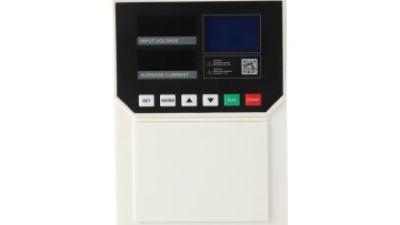
The LCRV6-A External Bypass Soft Starter is an innovative solution designed to optimize the efficiency and performance of motor operations. With its cutting-edge technology, this soft starter facilitates smooth motor starts and stops, thereby reducing mechanical stress and extending the lifespan of equipment. The comprehensive guide outlines how users can benefit from its advanced features, allowing for seamless integration into various applications.
One of the standout features of the LCRV6-A model is its external bypass capability, which significantly enhances energy efficiency during operation. This starter efficiently manages inrush current, ensuring that motors start without excessive power consumption. Additionally, the ability to configure settings through both mobile and computer terminals adds a layer of convenience for users, making it easier to adapt to specific operational requirements. The cloud-shell functionality further allows operators to monitor and control parameters remotely, providing them with greater flexibility and control over their systems.
In summary, the LCRV6-A External Bypass Soft Starter is engineered to provide users with the tools necessary to maximize performance while minimizing energy costs. By harnessing advanced technology and offering user-friendly controls, this soft starter is a game-changer in the realm of motor management. Whether in industrial settings or commercial applications, it plays a vital role in ensuring reliable and efficient motor operations.
FAQS
: This product is designed to enhance your daily routine. It aims to provide ease and convenience.
Anyone can use it. However, some might find it more beneficial than others.
Keep it in a cool, dry place. Avoid direct sunlight to maintain its quality.
Some users report mild discomfort. It varies from person to person, so monitor your reaction.
Yes, many use it daily. However, it's good to take occasional breaks for reflection.
If you have concerns, consult a professional. Your health and safety matter most.
Follow the instructions closely. Adjustments may be necessary based on individual experiences.
It depends on personal preference. Some find daily use ideal, while others prefer less frequent usage.
Sharing is possible, but be cautious. Consider the other person's needs and sensitivities.
Conclusion
Soft starters are devices designed to manage the starting and stopping of electric motors, primarily aimed at reducing inrush current and mechanical stress on motor components. By gradually ramping up the voltage supplied to the motor, soft starters help prevent sudden surges that can lead to equipment damage, thus enhancing the longevity of machinery in industrial applications.
The typical soft starter system consists of several components including control circuits and thyristors, which enable smooth acceleration and deceleration of motors. The benefits of using soft starters encompass improved energy efficiency, reduced wear and tear on mechanical systems, and lower operational costs. They are commonly employed in various industries, such as manufacturing and HVAC systems, where controlled motor function is essential. Compared to other motor starting methods, soft starters offer unique advantages in terms of performance and ease of maintenance, making them a preferred choice for industrial operations.