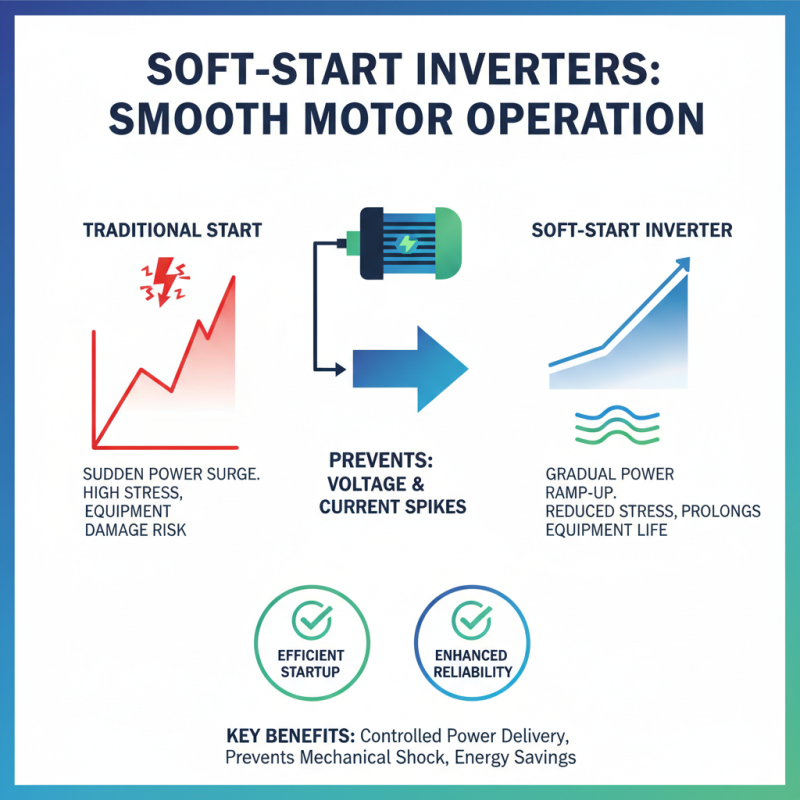
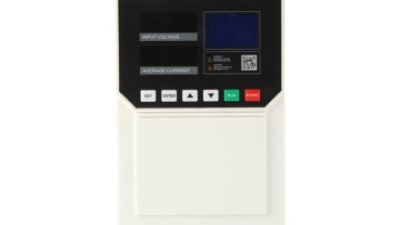
When it comes to industrial automation, getting a good handle on what a Soft Start Inverterdoes is pretty important. John Smith, who’s a real expert over at PowerTech Solutions, points out that “a Soft Start Inverter helps take the stress off electrical systems.” Basically, it slowly ramps up the voltage and current going into motors, which stops those sudden power surges that can be a pain. Lots of industries are actually using these inverters because of all the benefits they offer.
Soft Start Inverters are great because they make starting up machinery smoother. They also cut down on mechanical wear and tear, which can really extend the life of your equipment and save you on maintenance costs in the long run. That said, not everyone fully realizes what these gadgets can do right out of the box. Sometimes, the initial costs can seem a bit intimidating. But honestly, the savings you get over time usually make it worth it.
Of course, it’s not all sunshine and rainbows. Some folks run into problems during installation or while trying to set everything up. If you don’t configure it right, you might not get the full benefits. So, taking the time to understand how a Soft Start Inverter works is pretty important if you want to make the most of what it can do. Once you get the hang of it, it’s a pretty powerful tool that can really make a difference."

Understanding Soft Start Inverters: A Comprehensive Overview
A soft start inverter is an essential tool in many industrial applications. It helps control the startup current of electric motors. This unique device gradually ramps up power, preventing sudden jolts that could damage equipment. When a motor starts abruptly, it can draw five to eight times its normal operating current. This is where soft start inverters shine.
Understanding how soft start inverters work is crucial. They use a series of semiconductor devices to manage power delivery. By adjusting voltage and current, they ensure a smoother acceleration. However, not all soft start solutions are perfect. Some may not provide enough torque at startup, leading to operational challenges. Users often need to balance performance with energy efficiency. This need opens a door for a reliable Soft Start Inverter Supplier to provide tailored solutions.
Soft start inverters are not a one-size-fits-all solution. Different applications require different setups. Miscalculating the specifications can lead to failures. Sensors and controllers should be calibrated properly. Regular maintenance is also necessary to ensure they function optimally. Over time, neglecting these details can diminish performance and reliability. Users must continuously assess their systems for any signs of inefficiency.
The Basic Principles Behind Soft Start Technology
Soft start technology is essential for electric motor applications. This technology reduces the inrush current when motors start. Traditional starting methods can generate high torque, causing mechanical stress and electrical damage. In contrast, soft start inverters deliver controlled ramp-up of voltage and current. This gradual increase helps protect both the motor and the electrical system.
According to a report by the International Energy Agency, improper motor starting can lead to a 30% decrease in operational lifespan. Soft start inverters mitigate this risk significantly. They enable smoother acceleration, reducing wear and tear on mechanical components. This results in longer equipment life and lower maintenance costs. Data from industry studies show that facilities employing soft start technology achieve energy savings of up to 40%.
However, not all applications require a soft start inverter. In some cases, the initial cost may outweigh the benefits. Factors like load type and operating frequency play a big role. A Soft Start Inverter Manufacturer can assess specific needs to ensure an optimal solution. Even though soft start technology presents clear advantages, it’s crucial to evaluate its suitability on a case-by-case basis.
Soft Start Inverter Performance Data
This chart illustrates the performance comparison of soft start inverters in terms of start-up current and efficiency over time during operation. The data showcases how soft start technology reduces initial start-up current and improves operational efficiency.
Key Components of a Soft Start Inverter
A Soft Start Inverter is crucial for managing the start-up phase of heavy machinery. It reduces the initial surge of power that can stress electrical components. One of the key components is the control circuit. This circuit adjusts the voltage and current during the start-up phase. It ensures that the motor gradually ramps up to full speed. A well-designed control circuit can significantly improve machine longevity.
Another essential component is the power semiconductor. These devices act as switches, regulating power flow to the motor. They allow for smooth acceleration, avoiding sudden jolts. Furthermore, the protection circuitry guards against overloads. It prevents damage from excessive current. In a Soft Start Inverter Factory, engineers focus on these components to create reliable systems. However, even the best designs need fine-tuning. Each application may present unique challenges. Adjustability is key, and sometimes, initial settings can be off. Hence, field testing becomes critical to ensure optimum performance.
The Working Mechanism of Soft Start Inverters
Soft start inverters are essential devices for smooth motor operation. They control the voltage and current supplied to the motor during startup. By doing so, they prevent sudden surges that can damage equipment. Instead of starting at full load, these inverters gradually ramp up the power.
The working mechanism involves adjusting the voltage over time. When the motor starts, the inverter slowly increases the voltage level. This controlled rise in voltage helps in minimizing the mechanical stress on the motor. It also reduces electrical spikes. As the motor reaches its normal operating speed, the inverter allows full power. However, not all applications require a soft start. In some cases, a direct start may be more efficient.
Despite their benefits, soft start inverters can present challenges. For example, incorrect settings can lead to inefficient performance. Similarly, if not properly calibrated, they may prolong the acceleration time. This can waste energy and time. Careful consideration of the specific application is vital for optimization. It’s important to understand both the advantages and potential drawbacks.
Advantages of Using Soft Start Inverters
Soft start inverters play a crucial role in powering up large electric motors smoothly. They help reduce the inrush current when the motor starts. This is beneficial for both the equipment and the power supply. One major advantage is minimizing electrical stress. Sudden surges can cause damage. With a soft start inverter, the gradual ramp-up of voltage and current protects machinery.
Another significant benefit lies in energy efficiency. By controlling how power is delivered, these inverters help conserve energy. They reduce wear and tear on mechanical components. This translates into longer equipment lifespans. However, not all applications may require a soft start. Sometimes, a direct-on-line setup could suffice. Soft Start Inverter Factories produce versatile units tailored for various needs, yet they may not always be necessary.
Additionally, troubleshooting can pose challenges. While soft start inverters provide convenience, they introduce complexity. Some users may struggle to understand their settings fully. This can lead to underperformance. The balance between protection and usability is delicate. Overall, soft start inverters are valuable, but consideration of specific use cases is essential.
Applications and Industries Utilizing Soft Start Inverters
Soft start inverters are increasingly used across various industries. They provide smoother startup for heavy machinery. This is crucial in applications like HVAC systems, pumps, and conveyors. By controlling the ramp-up speed, they help reduce mechanical stress. This leads to longer equipment life.
In marine applications, soft start inverters are vital. They ensure smooth operation of ship motors, preventing sudden jolts. This is important for safety and efficiency. Manufacturing plants also benefit significantly. Motors in assembly lines can start gradually, preventing damage and downtime.
Tips: Always assess your electrical system before installation. Not every system requires a soft start. Regular maintenance is also important. It helps identify wear and tear early. Monitoring performance can lead to better efficiency over time. Consider training operators on how to use these inverters properly. This can prevent mistakes and improve operation.
Comparing Soft Start Inverters with Traditional Starting Methods
Soft start inverters are gaining popularity as an alternative to traditional starting methods. Many industries recognize the importance of reducing inrush current. This method minimizes mechanical stress on motors during startup. Inrush current can sometimes reach 5-10 times the normal operating current. Reducing such spikes can extend equipment life.
Compared to direct-on-line starters, soft start inverters can significantly lower energy consumption. Reports indicate that these inverters can cut down energy usage during startup by up to 50%. This reduction is crucial for overall efficiency. However, some users still face challenges in integrating soft start technology. In some cases, installation may require additional adjustments to existing equipment.
While soft start inverters offer clear benefits, they are not without drawbacks. Initial costs can be higher than traditional methods. Users must also consider the need for more sophisticated controls. Sometimes, technology doesn’t align perfectly with older systems. This requires careful planning and implementation. Recognizing these complexities can lead to better decision-making in adopting soft start solutions.
Enhancing Motor Efficiency: Insights from Industry Reports on LCRV6-E Built-in Bypass Soft Starter Adoption Trends
The adoption of LCRV6-E built-in bypass Soft Starters is witnessing a remarkable trend in motor control efficiency across industries. Recent industry reports indicate a growing demand for advanced motor control devices that not only enhance operational efficiency but also integrate seamlessly with modern technological solutions. The LCRV6-E soft starter stands out for its innovative design, which includes a shell cloud function that allows for remote parameter setting and control via mobile and computer terminals. This feature is particularly significant as it provides operators with increased flexibility and convenience, enabling real-time adjustments and monitoring of motor performance.
Furthermore, the industry has noted that the implementation of built-in bypass technology leads to greater energy savings and reduced wear on motors. According to a report by the International Energy Agency, motors account for approximately 70% of industrial electricity consumption, so optimizing their efficiency is crucial for reducing overall energy costs. The LCRV6-E soft starter's capability to manage start-stop control intelligently ensures a smoother operation, which not only improves the lifespan of the machinery but also enhances productivity.
As industries increasingly emphasize sustainability and operational cost reduction, the LCRV6-E offers a practical solution aligned with current trends. Analysts predict that the market for soft starters equipped with cloud functionalities will expand significantly in the coming years, driven by the need for advanced control systems that facilitate energy management and operational efficiency. The LCRV6-E is positioned to meet these demands, making it a valuable addition to any modern industrial setup.
FAQS
: The service aims to provide users with helpful and reliable information.
Anyone interested in gaining knowledge or assistance can access it.
Information is regularly reviewed and updated, but errors may still occur.
Various topics are discussed, ranging from practical advice to general knowledge.
Users can provide feedback through the designated contact options available on the platform.
Generally, users can access a vast amount of information without restrictions.
Users are encouraged to report inaccuracies, as continuous improvement is important.
While most information is reliable, users should apply critical thinking and personal judgment.
The content is updated regularly, though some areas may lag behind current developments.
The service is generally free, but some features may require a fee to access.
Conclusion
A Soft Start Inverter is a crucial device designed to gradually increase the voltage supplied to motors during startup, minimizing the mechanical stress and electrical surges that often accompany standard starting methods. By utilizing this technology, soft start inverters effectively reduce the initial current draw, which helps protect equipment and extend its lifespan.
The fundamental principles of soft start technology involve key components such as control circuits, power electronics, and feedback mechanisms that work collaboratively to regulate the start-up phase of motor operation. The advantages of employing a Soft Start Inverter include enhanced energy efficiency, reduced wear on motor systems, and improved operational stability. These inverters find extensive application across various industries, including manufacturing, HVAC, and water treatment, where they contribute to more sustainable and reliable motor performance.