In the world of industrial automation, a Soft Start Drivereally plays a key role. Basically, it helps electric motors get going smoothly, which means less mechanical stress and a longer lifespan for the equipment. John Smith, who's pretty well-known in motor control systems at Advanced Motors Inc., points out, "A Soft Start Drive is pretty much essential for protecting the gear during startup."
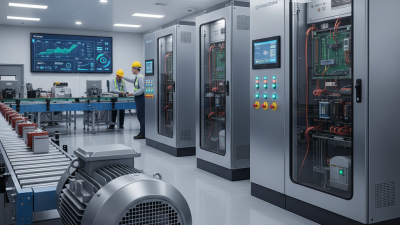
Lots of different industries rely on this tech, too. Manufacturing plants, for instance, use Soft Start Drives to make conveyor systems run more efficiently. And in mining, they’re crucial for running heavy machinery without a hitch. But, interestingly enough, not every application uses this technology. Some folks overlook the benefits, mainly because of costs or just not fully understanding how it works.
That said, skipping out on a Soft Start Drive can actually cause bigger problems down the line. A motor that starts up too quickly can create damaging torque spikes, which might lead to expensive repairs or unwelcome downtime. The good thing is, a Soft Start Drive handles this by gradually ramping up the power, helping keep everything running smoothly and avoiding those nasty hiccups. Honestly, it’s a smart investment for keeping things stable in the long run.

Definition of Soft Start Drive
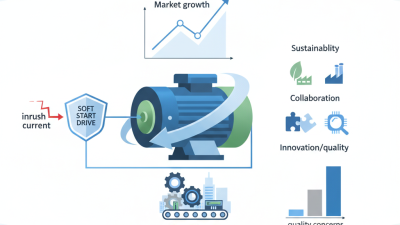
A soft start drive is an essential tool in modern industrial applications. It gradually ramps up motor speed, reducing inrush current during the start-up phase. By doing so, it minimizes mechanical stress on equipment and electrical strain on power sources. This approach enhances the longevity of motors and related components, which can lead to significant cost savings in maintenance.
According to a report by the International Energy Agency, nearly 30% of industrial energy consumption is attributed to motor systems. Soft start drives can lead to energy savings of about 20-40% in these systems. This technology has proven effective across various industries, making it a vital consideration for any Soft Start Drive Supplier. While adopting soft start drives, industries need to evaluate their specific requirements. There might be instances where older systems could pose integration challenges.
Implementing a soft start drive isn’t without its hurdles. Not all motor systems will benefit equally from this technology. Some may experience issues such as overheating or performance drops. Facilities must conduct thorough evaluations before integration. The balance between cost and efficiency hinges on these assessments.
Principle of Operation for Soft Start Drives
Soft start drives provide a way to control the acceleration of electric motors. This technology reduces the initial surge of current that typically occurs when a motor starts. By controlling the voltage supplied to the motor, soft start drives create a smoother and more gradual start, thus minimizing mechanical stress and extending the lifespan of both the motor and the connected equipment.
The principle of operation for soft start drives is based on the gradual increase of voltage and current. When activated, the drive initially limits the voltage, allowing the motor to start slowly. As the motor gains speed, the voltage gradually increases to its full level. This method helps avoid sudden torque that can lead to wear and tear. However, there are challenges. Some systems may experience instability during the transition phase. Additionally, not all applications may benefit from a soft start. It's essential to evaluate each scenario carefully.
Understanding the specific needs of your application is crucial. In some cases, a soft start drive might not be the best solution. Users must consider the motor type and load characteristics. Balancing the advantages with potential drawbacks is vital for effective implementation.
What is a Soft Start Drive and How Does it Work? - Principle of Operation for Soft Start Drives
| Feature | Description |
| Definition | A soft start drive is an electronic device that controls the acceleration of electric motors by gradually increasing the voltage and current. |
| Purpose | To prevent mechanical stress on motor components and reduce inrush current during start-up. |
| Key Components | Microcontroller, Power electronics, Control circuitry. |
| Operating Principle | Gradually increases the output voltage to the motor, allowing it to ramp up to full speed smoothly. |
| Applications | Used in conveyor systems, fans, pumps, and other industrial equipment where smooth start-ups are critical. |
| Benefits | Reduces wear and tear, enhances system reliability, improves energy efficiency, minimizes electrical disturbances. |
| Limitations | May not be suitable for all motor types, could require additional components in complex systems. |
Components of a Soft Start Drive System
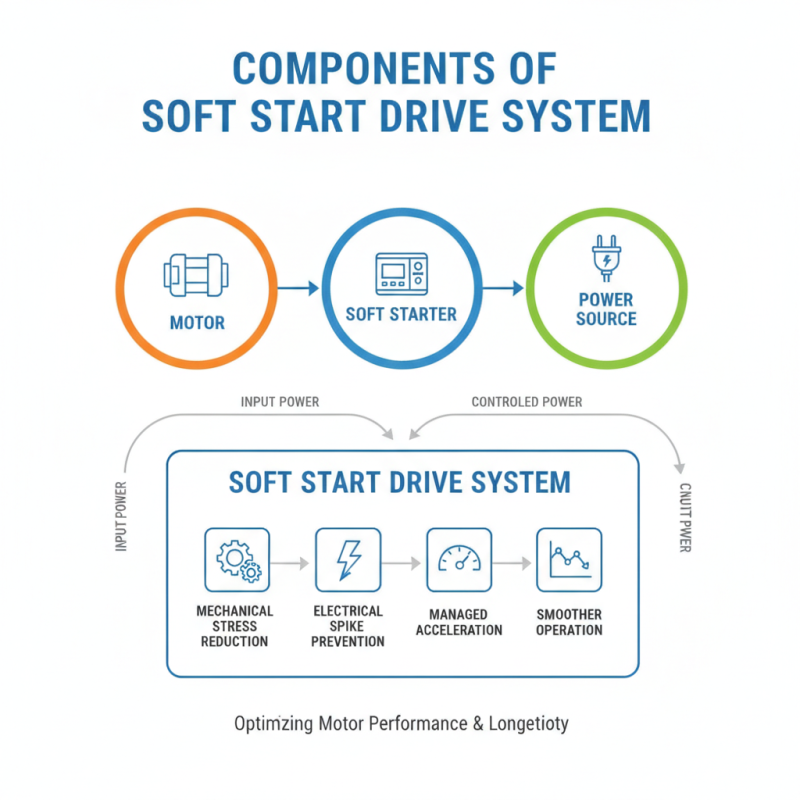
A soft start drive system plays an essential role in managing motor acceleration. It prevents abrupt starts, reducing mechanical stress and electrical spikes. This system relies on several key components to function effectively.
The heart of a soft start drive is its control unit. This component regulates the voltage supplied to the motor, allowing for gradual acceleration. Next, there are thyristors or solid-state devices that manage power flow. They adjust the phase angle of the input voltage, ensuring a smooth ramp-up of speed.
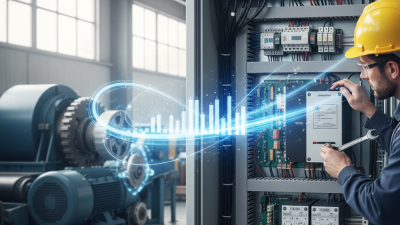
Additionally, you’ll find feedback sensors in the system. These sensors monitor motor performance, helping to fine-tune the start process. Other components include a bypass contactor, which connects the motor directly to the power supply after reaching the desired speed. While a soft start drive is beneficial, it is not without challenges. Installation can be complex, and proper calibration is crucial for optimal performance. Misconfiguration may lead to inefficient operation or even equipment damage.
Benefits of Using Soft Start Drives
Soft start drives are crucial in various industrial applications. They help reduce the initial surge current when starting motors, minimizing mechanical stress. This feature enhances equipment lifespan and reduces maintenance costs. According to a report from the Electric Power Research Institute, soft start systems can reduce damage during startup by up to 50%.
The benefits extend beyond just equipment protection. Soft start drives improve energy efficiency, decreasing operational costs. The U.S. Department of Energy states that implementing Soft Starters can result in energy savings of up to 30% during startup phases. Enhanced control leads to smoother operations. However, not all soft start drives perform equally. Selecting a reliableSoft Start Drive Manufacturer is essential. Quality impacts long-term outcomes. Users should weigh options carefully.
Another consideration is installation complexity. Some soft start drives require advanced configurations. This can lead to potential oversights during setup. It’s crucial to have trained personnel for this task. Inadequate installation may negate the benefits. Therefore, businesses must invest in appropriate training. Soft start drives present real advantages but come with their own challenges.
Applications of Soft Start Drives in Industry
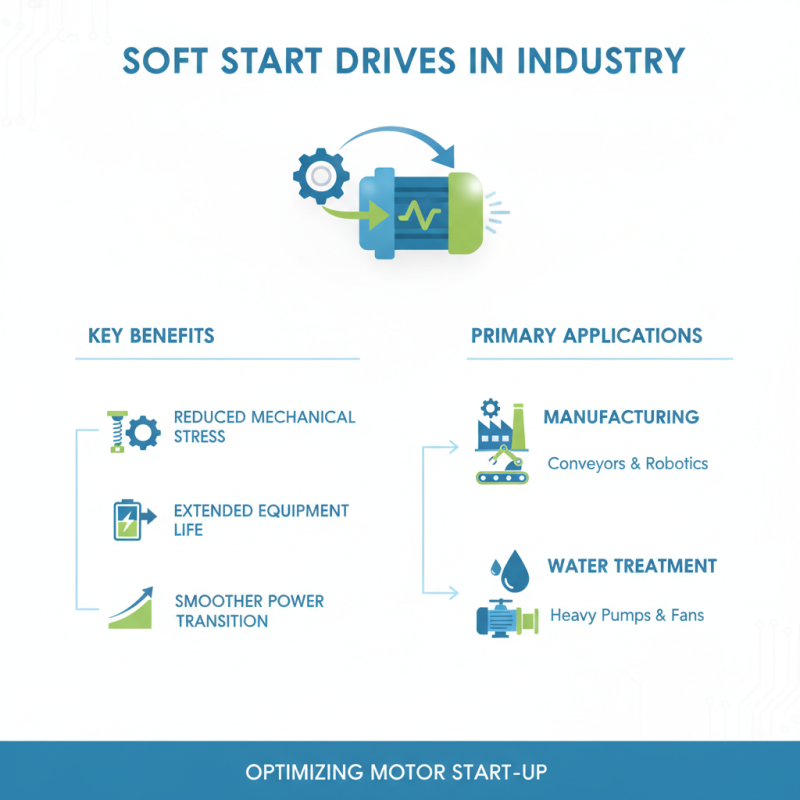
Soft start drives are crucial in many industrial applications. They manage the initial surge of electricity to motors, reducing mechanical stress and enhancing operational life. This technology is especially beneficial in industries like manufacturing and water treatment, where equipment faces heavy loads. For example, during the start-up phase, heavy pumps experience high torque, which can cause damage. Soft start drives mitigate this by gradually ramping up the power, providing a smoother transition.
In the construction sector, soft start drives prevent sudden jolts in electrical systems. Cranes and hoists often operate under heavy loads. Utilizing a soft start drive helps minimize wear and tear on the equipment. It also offers better control over machinery, which is vital for safety and precision. Many operators are realizing the advantages of implementing these drives. However, misunderstandings about their complexity can lead to hesitation.
Different sectors also benefit from the application of soft start drives. In HVAC systems, they enhance energy efficiency by reducing peak demand during start-up. This not only leads to lower energy bills but also extends the lifespan of HVAC components. However, there are still areas where more education is needed. Businesses must assess their current setup before integrating soft start technology. Collaborating with a knowledgeable Soft Start Drive Factory can provide insights into implementation challenges and solutions.
Comparison with Traditional Motor Starters
A soft start drive is a device designed to regulate the power supplied to motors. This technology allows motors to start smoothly, reducing mechanical stress. Unlike traditional motor starters, which apply full voltage immediately, soft start drives gradually increase voltage, easing the motor into operation. This gradual approach minimizes wear and tear.
Traditional motor starters can cause sudden jolts. These abrupt changes lead to potential damage, particularly in large systems. In contrast, soft start technology reduces the starting current demand, which can lower energy costs. Observing these differences helps in making informed decisions about motor control systems.
For those considering installation, here are some tips: evaluate the specific needs of your motor. Understand the load characteristics. Consulting with Soft Start Drive Factories can provide valuable insights, ensuring the right system is in place. Also, consider the long-term benefits. Although initial costs may be higher, the reduction in maintenance and energy savings can be significant over time.
When troubleshooting motor issues, reflect on the type of starter in use. Sometimes, the choice of technology impacts the overall system performance. A soft start could be the resolution for recurring complications, while traditional starters might exacerbate them.
Troubleshooting Common Issues with Soft Start Drives
Soft start drives play a vital role in managing electrical motors. They help reduce the inrush current during startup, which minimizes mechanical stress on the motor. However, users can encounter issues that can disrupt this functionality.
One common problem is the failure of the soft start drive to engage properly. This can stem from faulty wiring or incorrect configuration settings. Often, the user may overlook these basic checks. Inspect all connections to ensure they are secure and correctly wired. Sometimes, simple adjustments in settings can resolve the issue.
Another frequent issue is overheating. If your soft start drive is consistently warm or hot to the touch, it may be overloaded. Checking the system’s load is crucial. Ensure that the drive is rated for the application it's used in. Utilizing a thermal camera to monitor heat distribution can also provide insights.
**Tips:** Regularly review the installation manual. This will help prevent misconfigurations. Additionally, implement a routine check-up plan for your soft start drives. Testing the system periodically helps catch potential issues early. Also, keep a detailed log of any problems and solutions. This history will assist in future troubleshooting efforts.
Soft Start Drive Performance Analysis
This bar chart illustrates key performance metrics for soft start drives. The metrics include startup time, current limit, voltage drop, and efficiency, which are crucial for evaluating drive performance and troubleshooting common issues.
Understanding the Benefits and Features of the LCRV6-C Series Online Soft Starter for Industrial Applications
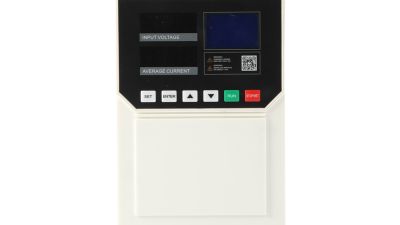
The LCRV6-C Series Online Soft Starter is an innovative advancement in motor control technology, offering a set of features and benefits specifically tailored for industrial applications. With a focus on optimizing performance and enhancing operational efficiency, this upgraded soft starter incorporates a fresh design and modern features, making it a favored choice among professionals in the field.
One of the key benefits of the LCRV6-C series is its ability to manage inrush currents during motor startups, which is critical for reducing mechanical stress on equipment. According to industry reports, utilizing a soft starter can decrease the startup current by up to 50%, significantly prolonging the lifespan of the motor and reducing maintenance costs. Furthermore, the soft starter helps mitigate electrical disturbances on the grid, which is crucial for industries that rely on sensitive equipment and processes.
Additionally, the online soft starter offers comprehensive protection features, including overload, phase failure, and under-voltage protection, ensuring reliable operation in demanding environments. Data shows that integrating advanced soft starters can lead to energy savings of 20-30% in specific applications by maintaining optimal motor performance and reducing unnecessary energy expenditures. Thus, the LCRV6-C series not only enhances the durability of motor systems but also contributes to overall energy efficiency in industrial operations, aligning with the current trends towards sustainable manufacturing practices.
FAQS
: A soft start drive system manages motor acceleration, reducing mechanical stress and electrical spikes.
The control unit regulates the voltage supplied to the motor for gradual acceleration.
Thyristors manage power flow by adjusting the phase angle of the input voltage.
Feedback sensors monitor motor performance to fine-tune the starting process effectively.
The bypass contactor connects the motor directly to power after reaching the desired speed.
They minimize surge current, enhance equipment lifespan, and reduce maintenance costs significantly.
They can reduce startup damage by up to 50% according to industry reports.
Yes, implementing them can lead to energy savings of up to 30% during startup.
Installation can be complex, and misconfiguration may lead to inefficiencies or equipment damage.
Trained personnel can prevent oversights, ensuring the system operates effectively and meets its benefits.
Conclusion
A Soft Start Drive is an essential device used to reduce the inrush current during the start-up of electric motors, ensuring a smoother and safer operation. It works by gradually increasing the voltage supplied to the motor, allowing it to accelerate gently rather than starting abruptly, which can lead to mechanical stress and potential damage. The components of a Soft Start Drive system typically include a controller, power electronic devices, and protection systems.
The benefits of using Soft Start Drives include improved motor life, reduced wear and tear on equipment, and energy savings. These drives are widely utilized across various industries, including manufacturing, HVAC, and water treatment. When compared to traditional motor starters, Soft Start Drives offer enhanced control and flexibility. Despite their advantages, users may encounter common troubleshooting issues, which can be addressed by understanding the operational principles and components of the Soft Start Drive system.