In the fast-changing world of industrial automation, incorporating Soft Start Drives has really become a key part of boosting performance and saving energy. Did you know that, according to a recent report by the International Energy Agency (IEA), nearly 40% of global electricity goes to machinery and drives? That just shows how super important energy-efficient tech is these days. As companies try to ramp up productivity without cranking up their energy bills, it’s no surprise that the demand for innovative solutions like Soft Start Drives is expected to skyrocket in 2025 and beyond.
Dr. Emily Johnson, a top expert in drive tech, really emphasizes how crucial it is to switch over to Soft Start Drives. She says, 'Using Soft Start technology not only helps protect your equipment from mechanical stress but also cuts down energy use when motors are starting up.' This really makes a difference in keeping operations reliable and extends the lifespan of motors and other connected gear. With more pressure on industries to meet sustainability goals, integrating Soft Start Drives isn’t just a nice-to-have anymore — it’s pretty much essential if businesses want to stay competitive in the coming years.
Looking ahead to 2025, making smart use of Soft Start Drives will be vital for maximizing efficiency, minimizing downtime, and creating a more sustainable way of running things. The focus on these technologies is opening up new doors for better performance and smarter energy management, making this transition more relevant than ever before.

Understanding the Basics of Soft Start Drives
Soft start drives are essential devices used to control the acceleration of electric motors, providing a smoother start-up and reducing mechanical stress. These drives limit the initial voltage supplied to the motor, allowing it to reach its rated speed gradually. This gradual increase in power not only enhances the lifespan of the motor but also minimizes energy surges that could affect other components in the electrical system. Understanding the principles behind soft start drives is crucial for optimizing performance in industrial applications, especially as technology continues to evolve.
Tips:When implementing a soft start drive, pay attention to the motor specifications to ensure compatibility. Properly sizing the drive based on the motor’s voltage and current ratings is critical for achieving optimal performance. Additionally, consider the application's unique requirements, such as load characteristics and start frequency, to select the appropriate settings for your Soft Starter.
Incorporating a soft start drive can significantly reduce energy consumption during start-up phases. This is particularly advantageous in applications with high inertia loads or where frequent starts and stops are required. Moreover, utilizing features such as adjustable ramp-up time and current limiting can further enhance the efficiency and reliability of motor operations, safeguarding against potential damage while improving overall productivity.
Benefits of Implementing Soft Start Drives in Industrial Settings
Implementing soft start drives in industrial settings provides significant benefits that enhance both operational efficiency and equipment longevity. According to a report from the International Energy Agency, approximately 30% of industrial electrical energy consumption can be attributed to motor-driven systems. By utilizing soft start drives, industries can reduce the inrush current during motor startup, which can be as much as six times the normal operating current. This not only minimizes wear and tear on motors but also prevents potential damage to connected equipment.
Moreover, soft start drives contribute to improved energy efficiency. The Energy Efficiency Improvement Reportindicates that Soft Starters can enhance overall system performance by up to20% due to their ability to optimize motor acceleration profiles. This results in smoother starts and stops, reducing mechanical stress and prolonging the life of both motors and their mechanical components. Additionally, with the growing focus on sustainability, integrating soft start drives aligns with corporate goals to reduce energy consumption and lower carbon footprints, proving to be a valuable investment for forward-thinking industrial operations in 2025 and beyond.
Key Components of a Soft Start Drive System
A soft start drive system is designed to provide a gradual increase in voltage and current to an electric motor, ensuring a smoother startup and reducing mechanical stress. The key components of such a system include the soft starter, sensors, control circuitry, and the motor itself. The soft starter acts as a gatekeeper, regulating the power supplied to the motor, while sensors monitor performance metrics such as speed and torque to optimize the starting process.
The control circuitry is vital in a soft start drive, as it processes feedback from sensors and adjusts the power output accordingly. This dynamic adjustment allows for precise control over the startup sequence, minimizing the risk of damage to both the motor and connected machinery. Furthermore, including protective features like overload and phase loss protection enhances the system's reliability, ensuring it operates efficiently throughout its lifespan.
Another crucial component is the user interface, which allows operators to configure settings easily and monitor the system's performance in real-time. By providing clear data on operational efficiency, the user interface supports decision-making for maintenance and operation, contributing to the optimal performance of the soft start drive system in 2025 and beyond.
Step-by-Step Guide to Selecting the Right Soft Start Drive
When selecting the right soft start drive for optimal performance in 2025, the first step is to clearly define your application's needs. Assess the type of motor you are working with, including its voltage, horsepower, and starting torque requirements. Understanding these parameters will help narrow down the options available. Consider the environmental conditions where the drive will operate; factors such as temperature extremes, humidity, and exposure to dust or corrosive elements can significantly influence the performance and longevity of the soft start drive.
Next, evaluate the control features that will best suit your operational demands. Features like adjustable starting ramp-up time, current limit settings, and fault detection are essential for optimizing performance and ensuring safety. Determine whether you need a unit with basic functionalities or one that offers more advanced options, such as programmable profiles or communication capabilities for integration into a broader automation system. By aligning the drive's features with your specific requirements, you can enhance efficiency and reduce wear on the motor, ultimately leading to improved reliability and lower operating costs.
Installation Process for Soft Start Drives: Best Practices
Implementing a soft start drive can significantly enhance the performance and lifespan of equipment in various industrial applications. The installation process is crucial to ensure the system operates effectively and meets operational demands. Firstly, before starting the installation, it is important to assess the existing electrical system and motor requirements. This includes checking power ratings, input voltage, and compatibility with the motor's characteristics. Proper sizing of the soft start drive is essential to match the load requirements and ensure optimal performance.
Once the assessment is complete, the installation of the soft start drive should follow systematic best practices. Begin by mounting the drive in a suitable location, ensuring adequate ventilation and accessibility for maintenance. Next, connect the drive to the motor and the power supply, adhering strictly to the manufacturer’s wiring diagrams to prevent electrical faults. It is equally important to configure the drive parameters according to the specific application needs, such as ramp-up times and torque settings, which can further enhance performance and prevent motor stress during startup. Regular testing and calibration post-installation will help identify any potential issues early and ensure the system functions as intended.
Optimization Techniques for Enhancing Soft Start Drive Performance
Implementing a soft start drive can significantly enhance the performance and longevity of industrial machinery. One of the key optimization techniques involves adjusting the ramp-up time to ensure gradual acceleration. By carefully tuning this parameter, operators can minimize mechanical stress and reduce the risk of equipment failures, ultimately leading to improved operational stability. Another critical factor is the selection of appropriate control algorithms that allow for real-time adjustments based on load conditions. These adaptive strategies can ensure that the drive maintains optimal performance under varying demands.
Additionally, monitoring and diagnostics play a vital role in understanding the drive's performance. Utilizing advanced sensor technologies can provide valuable insights into the operational parameters, such as temperature and load variations. This data can be processed to identify trends and preemptively address potential issues, thus enhancing the overall efficiency of the soft start drive. Implementing predictive maintenance schedules based on these insights can further optimize performance by ensuring that the system operates at its best without unexpected downtimes. These techniques combined create a robust framework for maximizing the effectiveness of soft start drives in various applications.
Future Trends in Soft Start Drive Technology for 2025
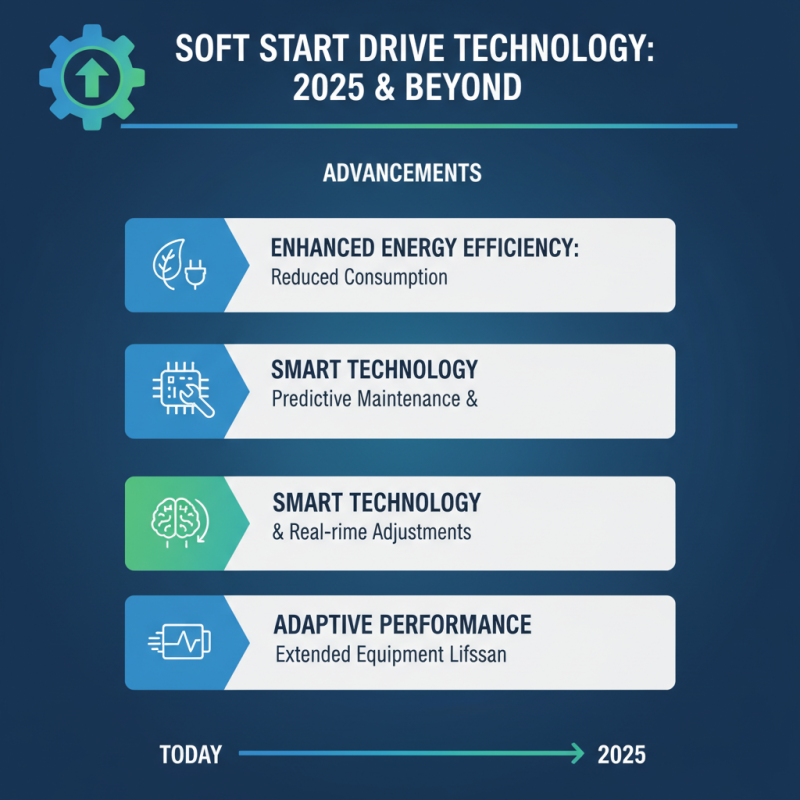
As we approach 2025, the landscape of soft start drive technology is set to experience significant advancements. The focus will shift towards enhanced energy efficiency, incorporating smart technology that allows for predictive maintenance and real-time adjustments. This means that soft start drives will become more capable of adapting their performance based on operational demands, ultimately leading to reduced energy consumption and extended equipment lifespan.
Tips for achieving optimal benefits from upcoming soft start drive technologies include investing in predictive analytics tools that can help monitor performance and identify potential issues before they become critical. Additionally, integrating IoT devices within your system can facilitate smoother transitions during start-up phases, preventing mechanical stress and enhancing overall operational stability.
Furthermore, considering a modular approach in system design will allow for easier upgrades and integration of future technologies. This flexibility ensures that organizations can quickly adapt to evolving trends in soft start drives, maximizing both performance and efficiency as advancements continue to unfold.
Harnessing Energy Efficiency: How the CPF8000-M Intelligent Mini Variable Frequency Drive Revolutionizes Industrial Processes by 2025
The evolution of industrial processes is significantly being driven by advancements in energy efficiency technologies, and the CPF8000-M intelligent mini variable frequency drive (VFD) stands as a prime example. This compact and reliable device is designed to optimize energy consumption while providing enhanced control over various industrial applications. By integrating advanced optimization technologies alongside a built-in programmable logic controller (PLC), the CPF8000-M allows for seamless automation and precision in industrial operations.
What sets the CPF8000-M apart is its ability to dramatically reduce energy waste, making it an essential tool for industries aiming to meet sustainability targets by 2025. The intelligent features of this mini VFD enable users to fine-tune their processes, ensuring that machinery operates at optimal efficiency with minimal environmental impact. In an era where energy costs are a significant concern, the CPF8000-M presents a forward-thinking solution that not only improves operational reliability but also aligns with a commitment to a greener industrial future. By harnessing the capabilities of the CPF8000-M, businesses can revolutionize their processes to achieve greater productivity and energy savings.
FAQS
: The first step is to clearly define your application's needs by assessing the type of motor, including its voltage, horsepower, and starting torque requirements.
Environmental conditions such as temperature extremes, humidity, and exposure to dust or corrosive elements can significantly influence the performance and longevity of the soft start drive.
Essential control features to consider include adjustable starting ramp-up time, current limit settings, and fault detection, which optimize performance and ensure safety.
The choice between a basic unit or one with advanced options, such as programmable profiles or communication capabilities, should be based on your specific operational demands and integration needs.
A crucial step is to assess the existing electrical system and motor requirements, including checking power ratings and compatibility with the motor's characteristics.
Proper sizing is essential to match the load requirements, which ensures optimal performance and prevents potential operational issues.
Following the manufacturer's wiring diagrams is critical to prevent electrical faults and ensure safe and effective operation of the drive.
After installation, it is important to configure the drive parameters according to application needs, conduct regular testing, and calibration to identify potential issues early.
Configuring the drive with appropriate ramp-up times and torque settings can enhance performance and prevent motor stress during startup.
Regular maintenance ensures that the system functions as intended and can identify any operational issues that need attention, helping to prolong the lifespan of the equipment.
Conclusion
The article "How to Implement Soft Start Drive for Optimal Performance in 2025" provides a comprehensive guide on leveraging soft start drives in industrial applications. It begins with a foundational overview of what soft start drives are and the myriad benefits they bring, such as reduced mechanical stress and improved energy efficiency. The piece outlines the key components essential for a soft start drive system, followed by a detailed step-by-step guide to selecting the appropriate drive for specific needs.
Additionally, it emphasizes best practices for the installation process to ensure effective integration into existing systems. The article also discusses optimization techniques that can enhance the performance of soft start drives, making them even more effective in various industrial settings. Finally, it explores anticipated trends in soft start drive technology, preparing readers for advancements in 2025 that could further revolutionize energy management and operational efficiency.