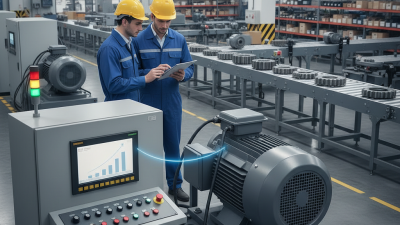
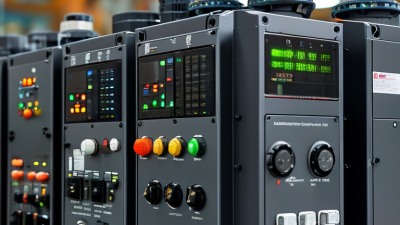
In today’s fast-changing industrial world, using Automatic Soft Starttechnology is becoming more of a must-have. Experts keep saying that it helps start up heavy machinery more smoothly, which in turn reduces wear and tear over time. I remember John Anderson from Tech Innovations once mentioning, “Automatic Soft Start doesn’t just extend your equipment’s lifespan, but it also makes your energy bills a bit friendlier.”
So, what does this system actually do? Well, it gradually ramps up the motor’s voltage, which means it decreases that initial pull or torque. This is super helpful in avoiding shock loads that could otherwise cause mechanical problems. When your machinery lasts longer, you end up saving a lot on maintenance costs — pretty sweet, right? But here’s the thing — not every installation goes off without a hitch. Sometimes, operators miss important details like whether their equipment can handle the system, which can lead to less-than-ideal results.
And even though Automatic Soft Start systems bring a lot of benefits, they can also be a bit complex. You really need to understand how they work to get the most out of them. It’s a good idea for equipment managers to keep an eye on how things are running and consult with experts when needed. Staying proactive like this ensures that the full advantages of Automatic Soft Start are actually realized in everyday operations.
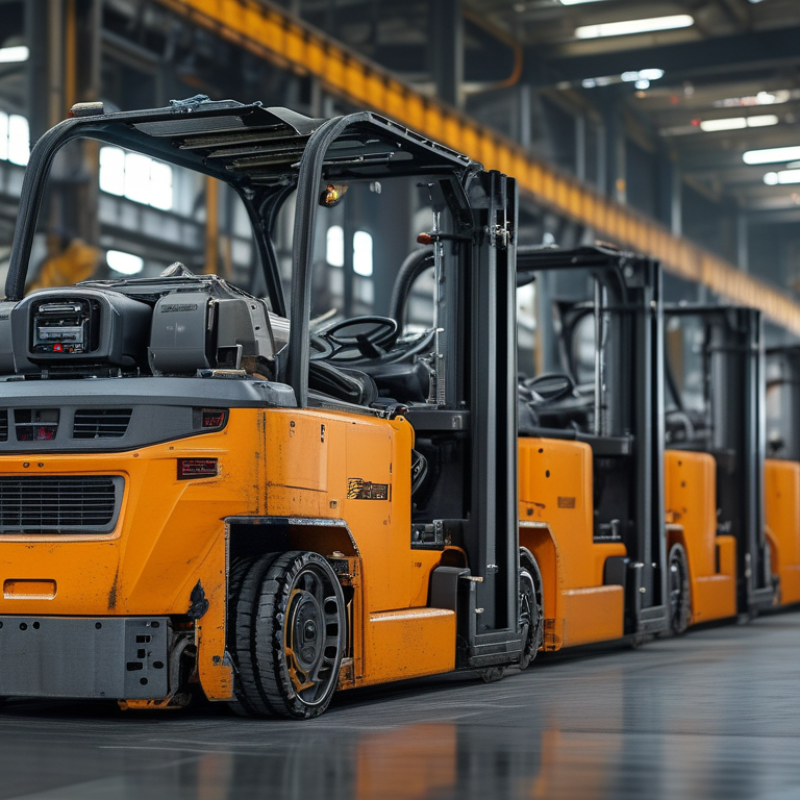
Understanding the Concept of Automatic Soft Start in Equipment
Automatic soft start is a critical concept in modern equipment design. It refers to a gradual increase in power applied to motors, allowing them to reach operational speed without the typical inrush current. This method effectively reduces mechanical stress and electrical loads, leading to enhanced longevity of components. According to industry reports, using automatic soft start can reduce mechanical wear by up to 30%, which is significant for maintenance costs.
Integrating automatic soft start in equipment is not without its challenges. Users may find that improper settings fail to achieve the intended energy savings. Moreover, selecting the right controller is essential to match the specific application. Many professionals overlook this step, resulting in inefficiencies. For optimal results, engagement with an Automatic Soft Start Supplier can streamline the selection process.
Remember that not all applications benefit equally from soft starts. Some smaller motors may not experience noticeable gains. Additionally, while initial costs might seem high, you should consider the long-term savings from reduced maintenance and energy consumption. Striking a balance between investment and efficiency is key to adopting this technology effectively.
Automatic Soft Start Efficiency in Equipment
This bar chart illustrates the power consumption in different phases of implementing automatic soft start for equipment. The data compares the initial power consumption, power during the soft start phase, and power at full capacity, demonstrating how automatic soft start helps to reduce the initial load on equipment.
Benefits of Implementing Soft Start Technology in Equipment
Implementing soft start technology in equipment can greatly enhance its efficiency. This approach reduces the initial surge of power when machinery starts. By gently ramping up speed, wear and tear on components is minimized. As a result, equipment operates more smoothly and lasts longer, leading to lower maintenance costs.
Another benefit is energy savings. Gradual acceleration reduces the electrical load. This decrease can lead to noticeable reductions in energy bills. In industrial settings, where equipment runs continuously, these savings are significant. Operators also experience fewer interruptions due to equipment failures. This boosts productivity and streamlines workflow.
For effective implementation, start by assessing your equipment needs. Evaluate the current starting methods and identify potential improvements. Ensure that the soft start technology you select aligns with your equipment specifications. Regularly monitor performance to make necessary adjustments. Reflection on operational trends can reveal areas for further enhancement. By maintaining focus on efficiency, organizations can maximize both performance and cost savings.
Components Required for a Soft Start System
When implementing an automatic soft start system, several critical components come into play. A Soft Starter, for instance, is essential for smoothly ramping up motor speed. This helps reduce mechanical stress on equipment, extending its lifespan. You'll also need current sensors to monitor the electrical intake during the start phase. An appropriate control unit helps manage these components, ensuring a cohesive system operation.
A soft starter alone doesn't guarantee efficiency. Properly sized resistors and capacitors facilitate a smooth transition for the system. Attention must also be paid to wiring specifications; incorrect choices can lead to voltage drops. In some instances, troubleshooting may be needed if components do not perform as expected. Frequent checks on the system can preempt issues.
Overall, a successful automatic soft start setup requires precise component selection and installation. Understanding the specifications and functions of each part is vital. Consulting with an Automatic Soft Start Manufacturer can provide insights into the best solutions for specific applications. Thoughtful consideration and adjustments might be necessary to achieve optimal performance.
Step-by-Step Guide to Designing a Soft Start Circuit
Designing a soft start circuit is crucial for improving the efficiency and longevity of electrical equipment. The process begins with understanding your motor's characteristics. This includes its rated voltage and current. According to industry reports, equipment failures can occur in 10% of all electrical motors due to improper starting methods. A soft start helps mitigate this by gradually ramping up the motor's power.
In creating the circuit, consider using components such as relays, thyristors, or microcontrollers. These elements actively control the voltage applied to the motor. Effective control reduces mechanical stress and electric surges, resulting in a smoother performance. An Automatic Soft Start Factory can provide valuable insights into acceptable current profiles and operating conditions for different motors. The design should also incorporate feedback systems to adjust parameters in real-time, enhancing reliability.
Testing and validation are crucial. Often, engineers may overlook the importance of load conditions during testing. This oversight can lead to inaccurate results. Regular assessments of the soft start circuit will not only highlight performance issues but also ensure compliance with safety standards. This approach guarantees that your soft start system is both efficient and reliable.
How to Implement Automatic Soft Start for Efficient Equipment? - Step-by-Step Guide to Designing a Soft Start Circuit
| Component | Function | Specifications | Recommended Types |
| Resistor | Limits Inrush Current | Value: 10 ohm, Power: 5W | Metal Film, Wirewound |
| Capacitor | Energy Storage for Soft Start | Value: 1000uF, Voltage: 25V | Electrolytic, Tantalum |
| Diode | Protects Against Reverse Voltage | Voltage: 50V, Current: 2A | 1N4001, 1N5819 |
| MOSFET | Control Power to the Load | Voltage: 100V, Current: 30A | IRF540, BS170 |
| Microcontroller | Controls Soft Start Sequence | Supply Voltage: 5V | Arduino, PIC |
Programming Soft Start Features in Equipment Controllers
When programming soft start features in equipment controllers, integration is key. This control method allows equipment to gradually reach full speed. It minimizes mechanical stress and enhances component lifespan. Operators need to adjust parameters carefully. Incorrect settings can lead to slower response times or overheating.
Implementing Automatic Soft Start Factories can involve several methods. One approach is to use voltage ramping techniques. By slowly increasing voltage, the motor can smoothly accelerate. This method demands fine-tuning. If the ramp rate is too slow, production may slow down. However, rushing could jeopardize safety and efficiency.
Another essential feature is current limiting. This protects circuits during startup. Too much current can cause damage. Setting limits carefully is essential, but it can be challenging to find the right balance. Monitoring systems should be in place for real-time feedback. Proper data analysis helps discover potential issues early. Inconsistent readings may signal deeper problems in the system.
Testing and Troubleshooting Automatic Soft Start Systems
Testing automatic soft start systems is crucial for ensuring efficiency and longevity in equipment. Start by verifying connections and settings. Check that all electrical components are securely fastened and configured correctly. Loose wires may cause intermittent functions, leading to stress on the machinery.
Next, conduct a performance check. Monitor the voltage and current levels during startup. Ensure that they align with manufacturer specifications. Inconsistent readings can indicate issues. It may be worthwhile to simulate various load conditions. This helps identify how the system reacts under different scenarios.
Troubleshooting involves looking for common faults. Overheating can arise from a faulty component or poor airflow. Regularly inspect ventilation paths. Noise during startup may also suggest mechanical issues. Use caution while testing; unmonitored faults could escalate into significant failures. Reflect on these tests, as they highlight areas for improvement in system design and setup.
Best Practices for Maintaining Efficient Soft Start Operations
When implementing automatic soft start systems, maintaining efficiency is crucial. Regular monitoring of system performance is vital. Check for voltage levels and motor load parameters. Variations may indicate underlying issues. Scheduled maintenance can prevent significant malfunctions. Establish routine inspections to assess electrical connections and hardware integrity.
Incorporating advanced sensors can refine soft start operations. These devices can provide real-time data. Analyzing this information helps engineers make informed adjustments. However, relying solely on technology can lead to oversight. Human error in data interpretation may arise. Balancing automation with skilled personnel is key to success.
Documentation of operational patterns enhances efficiency. Recording start-up times and energy consumption allows for informed decision-making. It’s important to revisit past performance data regularly. This reflection can highlight patterns or anomalies needing attention. Effective soft start operations evolve through constant evaluation and adaptation.
Maximizing Efficiency and Reliability: The Impact of China LCRV5-C Series Soft Starters on Motor Performance in Industrial Applications
The efficiency and reliability of Soft Starters play a crucial role in optimizing motor performance within various industrial applications. The LCRV5-C Series Soft Starters are particularly noteworthy for their ability to provide gentle, controlled startup for motors, significantly reducing inrush current and mechanical stress. According to industry reports, implementing advanced soft starting technology can lead to energy savings of approximately 30-50% during motor startup phases. This not only enhances operational efficiency but also extends the lifespan of motors by minimizing wear and tear.
In addition to energy savings, the LCRV5-C Series Soft Starters excel in ensuring consistent motor performance. These devices employ sophisticated algorithms that allow for smooth acceleration and deceleration, reducing the risk of damage to connected equipment. Studies indicate that utilizing soft starters can increase overall system reliability by up to 25%, thereby decreasing downtime and maintenance costs. As industries increasingly prioritize efficiency and sustainability, adopting high-quality soft starters like the LCRV5-C becomes imperative for enhancing productivity in manufacturing and processing sectors. The merger of cutting-edge technology and robust design makes this product an indispensable asset for businesses looking to optimize their motor operations.
FAQS
: It ensures equipment efficiency and longevity by verifying connections and settings.
Make sure all electrical components are securely fastened and correctly configured.
Loose wires may lead to issues that stress the machinery.
Monitor voltage and current levels during startup to ensure specifications are met.
Check for faulty components or poor airflow in ventilation paths.
It may indicate mechanical issues that need attention.
Incorporate advanced sensors for real-time data, but avoid relying solely on technology.
Recording performance data helps identify patterns and informs decision-making.
They could escalate into significant failures, leading to costly repairs.
Skilled personnel are essential to interpret data and ensure system integrity.
Conclusion
This article explores the concept of Automatic Soft Start, a technology designed to enhance the efficiency of equipment during startup phases. It outlines the key benefits, including reduced mechanical stress, improved energy consumption, and lower peak current demand, all of which contribute to prolonged equipment lifespan. The piece details the essential components required to implement a soft start system and provides a comprehensive, step-by-step guide on designing a soft start circuit.
Furthermore, the article emphasizes the importance of programming soft start features in equipment controllers, ensuring proper configuration for optimal performance. Testing and troubleshooting methods are also discussed to help maintain seamless operations. Finally, best practices for ongoing maintenance of Automatic Soft Start systems are outlined, ensuring that users can achieve and sustain efficient equipment operation over time.