When it comes to industrial automation, understanding how a soft starter works is pretty important — you really can’t overlook it. I remember John Smith from Automation Solutions Inc. once saying, “A good soft starter can seriously extend the life of your equipment,” and honestly, he’s spot on. These devices are crucial because they gradually bring the motor up to speed, which means less of that rough jolt you’d get if it started all at once. That way, not just the motor, but the whole system stays happier and lasts longer. A lot of operators tend to overlook this part, not realizing that if they don’t set the soft starter correctly, things can go south pretty quickly — think unexpected mechanical problems or unnecessary wear and tear. In real-world settings, I’ve seen many technicians underestimate how valuable Soft Starters really are. Highlighting how they can save energy and improve efficiency could seriously change how things are done. So, really understanding what a soft starter does and following best practices isn’t just helpful — it’s essential if industries want to get the most out of their equipment and make it last longer.

Understanding the Basics of Soft Starters
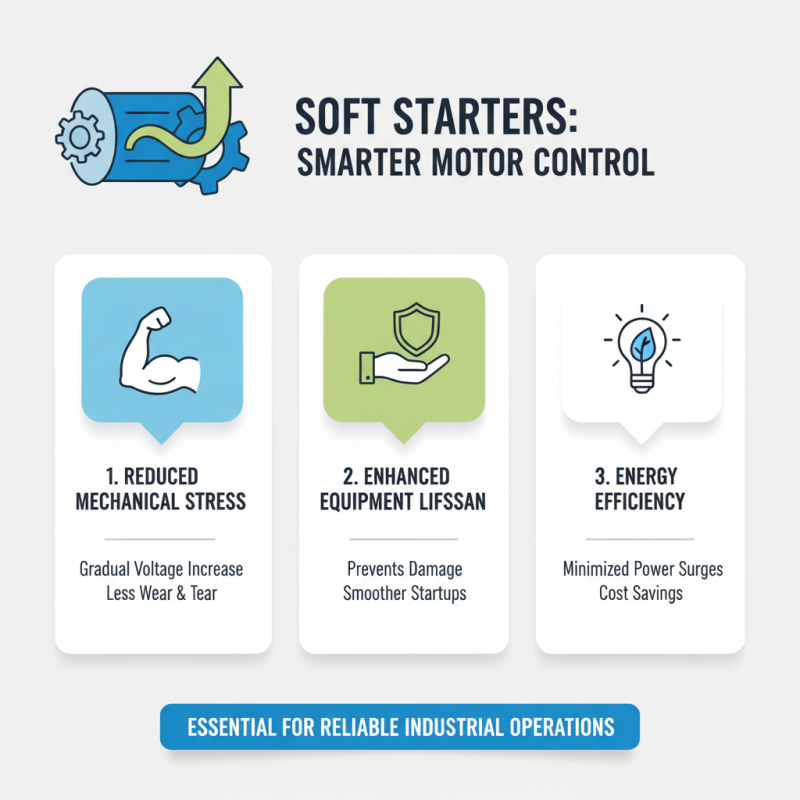
Soft starters are essential tools in controlling electric motors. They gradually increase the voltage supplied to the motor, reducing mechanical stress during startup. This process minimizes the risk of damage and enhances the lifespan of equipment. Many industries rely on soft starters for smoother operations and energy efficiency.
The design of a soft starter often includes features like voltage ramp-up and current limiting. These allow for optimal starting conditions. However, users must understand their motor's needs to set these parameters correctly. Misconfigurations can lead to issues, such as overheating or insufficient torque. Observing operating conditions is crucial for a successful experience.
When selecting a soft starter, consider various factors, including load type and application. Consulting with a Soft Starter Working Supplier can provide valuable insights. It's important to remember that every motor has different requirements. Continuous monitoring and adjustments can lead to better performance over time. Each implementation should be reviewed periodically to ensure efficiency and effectiveness.
Components of a Soft Starter and Their Functions
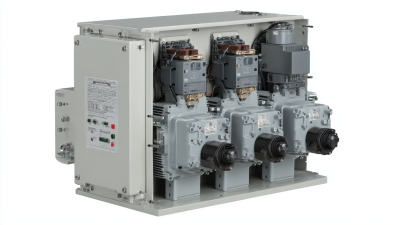
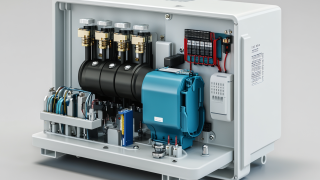
The components of a soft starter play a vital role in its functioning. The main elements include control circuits, thyristor switches, and protection devices. Each component contributes to the effective starting of motors, reducing the inrush current. This helps in prolonging the lifespan of electrical equipment. According to a 2022 industry report, the use of soft starters can minimize energy consumption during start-up phases by up to 50%.
Control circuits manage the operation of the soft starter. They ensure that the timing and sequence of starting are optimal. Thyristor switches regulate the voltage supplied to the motor. This is crucial for achieving a smooth acceleration. However, not all installations take full advantage of these components. Some operations neglect to use the settings that control ramp-up times effectively. Users often overlook how harnessing these settings can lead to additional savings.
Protection devices are also essential. They monitor temperature and overload conditions. If these exceed safe levels, the soft starter can deactivate the motor to prevent damage. A 2023 study indicates that lacking proper protections can lead to costly repairs. Many in the industry often underestimate these components. Over time, this can lead to inefficiencies. Engaging with a Soft Starter Working Manufacturer can provide insights into optimizing their use, ensuring better performance and reliability.
How Does a Soft Starter Work Tips for Efficient Use? - Components of a Soft Starter and Their Functions
| Component | Function | Efficiency Tips |
| Control Unit | Manages the soft starter operation and settings | Regularly check settings for optimal performance |
| Thyristor Module | Regulates voltage to the motor for smooth start | Keep it cool; ensure adequate ventilation |
| Bypass Contactor | Allows direct power to the motor after startup | Inspect contacts regularly to avoid failure |
| Overload Relay | Protects the motor from overheating | Test and reset properly after an overload event |
| Soft Start Parameters | Defines acceleration time and current limits | Adjust according to specific motor requirements |
How Soft Starters Control Motor Start-up Currents
Soft starters are essential for controlling motor start-up currents. They provide a gradual power increase, reducing the initial electrical shock to the system. This soft start process can lower peak currents by nearly 50%, as highlighted in industry reports. By controlling the ramp-up time, motors experience less wear and tear. This can lead to a longer operational lifespan, which is essential for critical machinery.
Many industries face challenges with starting heavy loads. For example, a motor that typically draws 8 times its full load current at start-up can cause issues. The use of soft starters mitigates this effect. However, proper configuration is crucial. Miscalculating the ramp time can still lead to high inrush currents. Catching these mistakes early is vital for avoiding costly downtimes.
Moreover, not all applications require the same level of control. Some motor systems may benefit from direct startups, while others need gradual acceleration. It is necessary to analyze each situation. Consider motor specifications and load requirements. Keeping an eye on these factors can improve efficiency and performance. Regular monitoring is key, as excessive current can still occur if settings are not adjusted correctly.
Benefits of Using Soft Starters in Motor Applications
Soft starters are crucial in motor applications. They provide a smooth start, reducing mechanical stress. This can extend the lifespan of equipment. According to industry reports, smooth start technology can minimize energy spikes by up to 30%. Energy efficiency is a vital consideration in today's market.
Using soft starters results in lower maintenance costs. Equipment with soft starters experiences fewer failures. This means less downtime. Additionally, studies suggest that soft starters can reduce peak current demand by nearly 50%. This makes them environmentally friendly. However, not all applications benefit equally. Some setups may require additional components for optimal performance.
When implementing soft starters, one must consider installation challenges. Improper configuration can lead to inefficiencies. Regular monitoring and adjustments are essential. Every system has unique requirements. A soft starter may not be the best fit for all motor types. Careful assessment plays a key role in achieving the desired results.
Tips for Installing a Soft Starter Correctly
Installing a soft starter correctly can significantly improve the performance of your motor system. Begin by selecting the right location for the starter. It should be close to the motor and have enough ventilation. Overheating can cause damage or reduce efficiency. Ensure that the ambient temperature is suitable, ideally between 0°C and 40°C. A hot environment can lead to malfunctions.
Wiring the soft starter requires careful attention. Follow the manufacturer's guidelines closely. Check the wire gauge to match the starter’s specifications. Incorrect wiring can cause performance issues or even failures. Label each wire clearly during installation. This can save time during troubleshooting later. If necessary, seek advice from a professional.
Check the settings on the soft starter once installed. Adjust the parameters to match the motor's requirements. Under or over-configuring can reduce its effectiveness. It’s common for users to overlook these settings, thinking defaults are sufficient. Regularly review performance metrics to ensure everything is functioning as intended. This reflection can lead to better efficiency. Remember, a small mistake in setup can result in significant issues down the line.
Best Practices for Operating Soft Starters Efficiently
Operating a soft starter efficiently requires understanding its core functionalities and adopting best practices. Proper installation is crucial. Ensure that the wiring is clean, and connections are secure. Poor connections can lead to overheating. Regular inspections help identify issues early. Vibration and wear can compromise performance. Inspect mechanical components frequently.
Understanding load characteristics is vital. Different applications require different settings. Adjust the ramp-up and ramp-down times according to the load. Too quick of a start can cause excessive stress on equipment. It's often overlooked, but observing energy consumption helps gauge efficiency. Track this data over time. Adjustments may be needed based on findings.
Maintenance is equally important. Dust can accumulate in the control panels. Regularly clean them to avoid malfunctions. Sometimes, users neglect software updates. Keeping the control software current can enhance performance. Feedback from operators is essential. They can provide insights into any irregularities. Making small adjustments based on their experiences could lead to significant improvements in the Soft Starter Working Factory.
Common Issues and Troubleshooting for Soft Starters
Soft starters are essential in controlling the acceleration of electric motors. However, they can face common issues. Problems like overheating and misconfiguration are often reported. According to industry standards, overheating can reduce the lifespan of a soft starter by up to 25%. Understanding these challenges is key.
When troubleshooting, check for proper installation. Ensure that terminals are tight and wiring is correct. Overvoltage conditions can also trigger malfunctions. According to recent studies, improper settings account for 30% of soft starter failures. Utilize parameters like ramp-up time and initial starting current to minimize strain on the equipment.
Tips for efficient use include regular maintenance checks. Inspect connections and clean components periodically. This improves performance and reduces issues. Also, monitor ambient temperature and humidity. Extremes can lead to performance degradation. In Soft Starter Working Factories, keeping these factors in check is crucial for operational success.
Unlocking Efficiency: An In-Depth Analysis of the LCRV6-C Series Online Soft Starter in Modern Industrial Applications
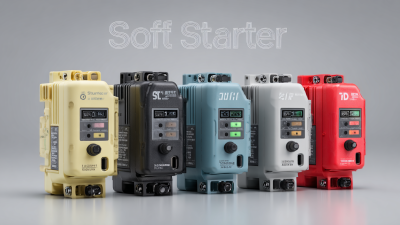
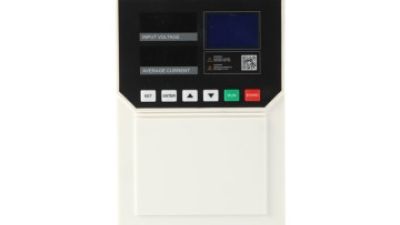
In modern industrial applications, the LCRV6-C Series Online Soft Starter stands out as a remarkable solution for enhancing operational efficiency. This latest upgrade in motor soft starters features an innovative design that not only optimizes performance but also appeals visually to users. With a structured approach to managing motor start-up and operation, the LCRV6-C eliminates the issues of mechanical stress and energy losses, making it an essential tool for industries aiming to streamline their processes.
One of the key benefits of the LCRV6-C is its ability to provide adjustable starting parameters, which allows for greater control over motor acceleration and deceleration. This adaptability is crucial in modern manufacturing environments, where the smooth integration of machinery can significantly impact productivity. Furthermore, the updated aesthetics of this soft starter reflect its advanced engineering, contributing to its increasing popularity in various sectors. As industries continue to seek out methods to improve energy efficiency and reduce wear on equipment, the LCRV6-C Series emerges as a reliable partner in achieving these goals.
FAQS
: The product is designed to enhance daily living. It aims to simplify tasks.
Results can vary. Some users notice changes within weeks, while others may take longer.
Yes, many users find it easy to use alone. Guidance is available if needed.
Some users report mild discomfort initially. It’s essential to monitor your reaction closely.
Store in a cool, dry place. Avoid direct sunlight to maintain quality.
Yes, returns are typically allowed. Check the specific return policy for details.
Daily usage is often suggested. However, listen to your body and adjust as needed.
Individuals with specific conditions may want to reconsider. Consulting a professional is wise.
If issues arise, stop use immediately. Reach out for support or troubleshooting assistance.
Longevity varies. Some need replacement sooner than expected, depending on usage frequency.
Conclusion
A soft starter is an essential device used in various motor applications to facilitate the smooth start-up of electric motors by controlling the voltage and current supplied to them. Understanding the basics of soft starters involves recognizing their key components, including thyristors and control circuitry, which work together to limit inrush currents during startup. By managing the start-up currents, soft starters effectively reduce mechanical stress on both the motor and connected equipment, resulting in increased longevity and reliability.
When implementing a soft starter, it is important to consider best practices for installation and operation. Proper installation ensures optimal performance, while routine checks can help identify common issues. Troubleshooting strategies are vital for maintaining efficiency and mitigating potential problems. Overall, mastering Soft Starter Working principles not only enhances operational efficiency but also contributes to significant energy savings and reduced wear and tear on mechanical systems.