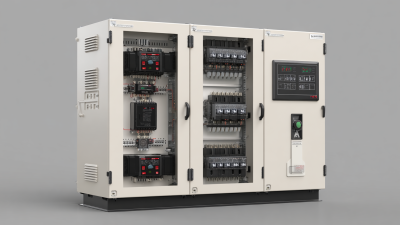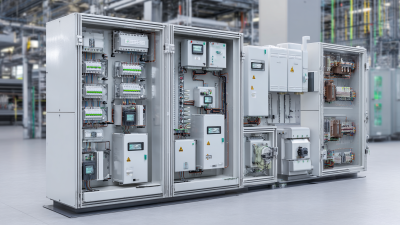
In today’s industrial world, picking the right 3 Phase Soft Starteris pretty important if you want your operations to run smoothly. According to a report by ResearchAndMarkets, the global Soft Starter market is expected to hit around $1.67 billion by 2026 – that’s pretty quick growth, showing just how much demand’s picking up. All of this really stresses how crucial it is to choose a device that’s a good fit for your specific needs.
Lots of industries, whether it’s manufacturing or HVAC, rely on these Soft Starters. They help cut down the inrush current, which means they protect motors from getting damaged and also help save energy. That said, with so many options out there, it’s easy to get overwhelmed or confused about which one to pick. For example, going with a model that doesn’t quite match your ratings can lead to more downtime or higher costs – nobody wants that.
And, let’s not forget, technology’s always moving forward. New designs and features mean older models might not keep up with today’s demands. Big players like Siemens and Schneider Electric offer a bunch of choices, but figuring out which specs match your needs can take some real digging. It’s definitely worth taking your time to evaluate so you end up with something that performs reliably and keeps things running like clockwork.
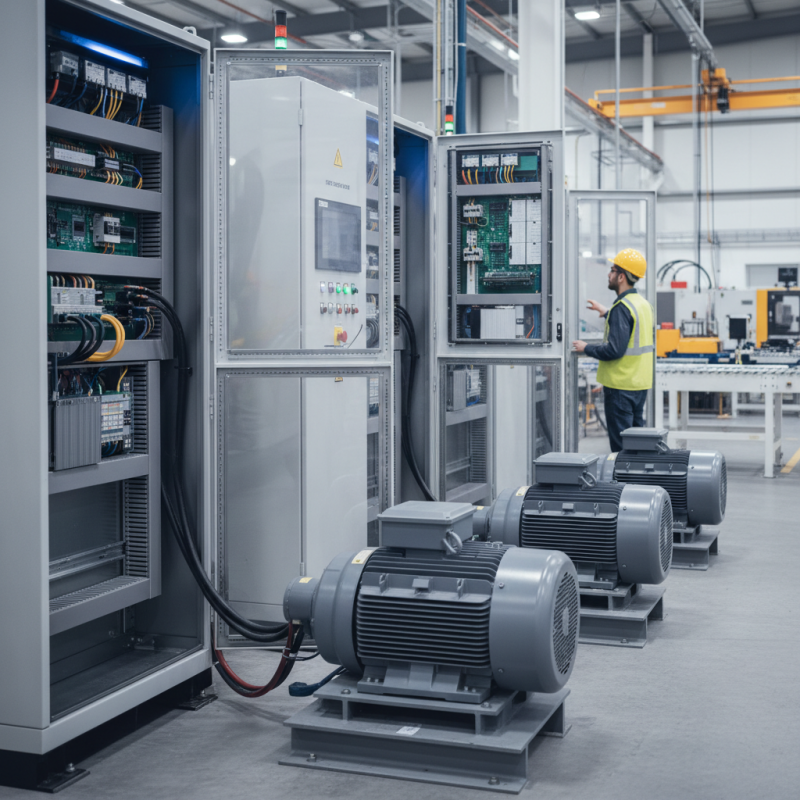
A 3 phase soft starter is an important device in industrial applications. It helps to control the acceleration of three-phase motors. By reducing inrush current, it prevents damage. This functionality extends the lifespan of motors significantly. Soft starters gradually ramp up the voltage, allowing for a smooth start.
Understanding these devices requires some technical insight. They are designed with various settings. Users can adjust parameters to fit their specific needs. However, misconfiguration can lead to performance issues. It is crucial to have a clear understanding of your motor's requirements. Ignoring this can result in insufficient starting torque or overloading.
In contrast, some might consider a Single Phase Soft Starter for smaller applications. It operates similarly but is meant for single-phase motors. Choosing the right type ensures efficiency. Awareness of common mistakes can lead to better decision-making. Selecting the wrong soft starter can cause inefficiencies or even failures in operation.
| Parameter | Description | Importance | Example Values |
|---|---|---|---|
| Voltage Rating | The operating voltage for the soft starter. | Ensures compatibility with the motor and supply voltage. | 380V, 480V, 600V |
| Current Rating | Maximum current the soft starter can handle. | Prevents overheating and ensures safe operation. | 10A, 30A, 60A |
| Control Type | Method of controlling the starter operation. | Affects ease of use and functionality. | Digital, Analog |
| Size and Mounting | Physical dimensions and mounting options. | Affects installation and space requirements. | DIN rail, Wall-mounted |
| Protection Features | Built-in protections against faults. | Enhances system reliability and safety. | Overload, Short-circuit, Phase loss |
| Communication Interface | Support for external control and monitoring. | Facilitates integration into automated systems. | Modbus, Profibus, EtherNet/IP |
Choosing the right 3 phase soft starter involves understanding key specifications. Start with the voltage rating. Ensure it matches your system voltage. This avoids damaging your equipment. Pay attention to the current rating as well. It needs to handle your motor’s starting current. A mismatch can lead to overheating or failure.
Torque control is another important spec. It determines how your motor starts and stops. Select a soft starter that suits your application’s torque requirements. In applications with high inertia, soft starters with ramp-up features help. They prevent sudden stress on the motor and connected equipment.
Consider environmental factors. Some soft starters are designed for harsh conditions. Dust, moisture, and temperature can affect performance. Choosing the right type for your environment matters.
Tip: Always consult the manual and follow installation guidelines. A small mistake can lead to performance issues. Test your setup before full-scale operation. It helps in identifying potential flaws early.
When selecting a soft starter, understanding your motor size and type is crucial. A 3 Phase Induction Motor Soft Starter can handle various motor sizes, but it must match your specific application. Consider the motor's horsepower and its starting requirement. A smaller motor may not need an advanced soft starter, while larger motors can stall without proper control.
Each motor type comes with its own characteristics. For instance, a standard induction motor might require a different soft starter than a synchronous motor. You need to evaluate torque requirements and starting modes. Using the wrong soft starter can lead to inefficiencies and increased wear on the motor.
Moreover, take into account the installation environment. High humidity or temperature extremes can affect performance. Some applications are more sensitive to power fluctuations. Reflecting on these factors can guide you toward the right choice. But remember, even the best 3 Phase Induction Motor Soft Starter may not perform optimally if not properly matched. Each detail matters in making the right decision.
When selecting a three-phase soft starter, understanding your operational environment is crucial. Consider factors like temperature, humidity, and dust. A dusty environment can lead to overheating. High humidity can degrade components. Each factor can significantly affect performance and longevity.
Evaluate your application requirements closely. What type of load will the soft starter control? Motor characteristics vary greatly. Some may require high starting torque, while others need smooth acceleration. The application’s duty cycle will also matter. Frequent starts may necessitate a heavier-duty starter.
Reflect on your system's future needs as well. An underpowered soft starter might struggle when demand increases. Conversely, over-specifying can lead to inefficiencies. Balance is essential. Take time to assess these aspects carefully; the right choice impacts productivity and maintenance costs.
This chart illustrates the importance levels of various factors to consider when selecting a 3 phase soft starter. The data reflects application requirements, showcasing motor type, start method, protection features, ambient temperature, and control voltage, each rated on a scale from 0 to 100%.
When choosing a soft starter, understanding the differences between analog and digital controls is crucial. Analog soft starters use basic components to manage voltage and current. They offer simplicity and reliability but lack advanced features. Digital controls, on the other hand, provide better flexibility and control options. They can handle more complex applications with ease.
Tip: Consider your application requirements. If you need a straightforward solution, analog may suffice. However, for advanced motor control, digital is the way to go.
Digital soft starters often come with built-in diagnostic features. These can help in troubleshooting and maintenance. This can save time and reduce downtime. Analog options may require manual checks and adjustments, which can be labor-intensive.
Tip: Evaluate the ease of integration. Digital starters can communicate with other devices, enhancing overall system performance. This may provide smoother operations.
Choosing the right Soft Starter For Three Phase Induction Motor involves balancing simplicity and advanced capabilities. It's important to assess your specific needs. Sometimes, opting for a simple analog device might lead to trade-offs in functionality.
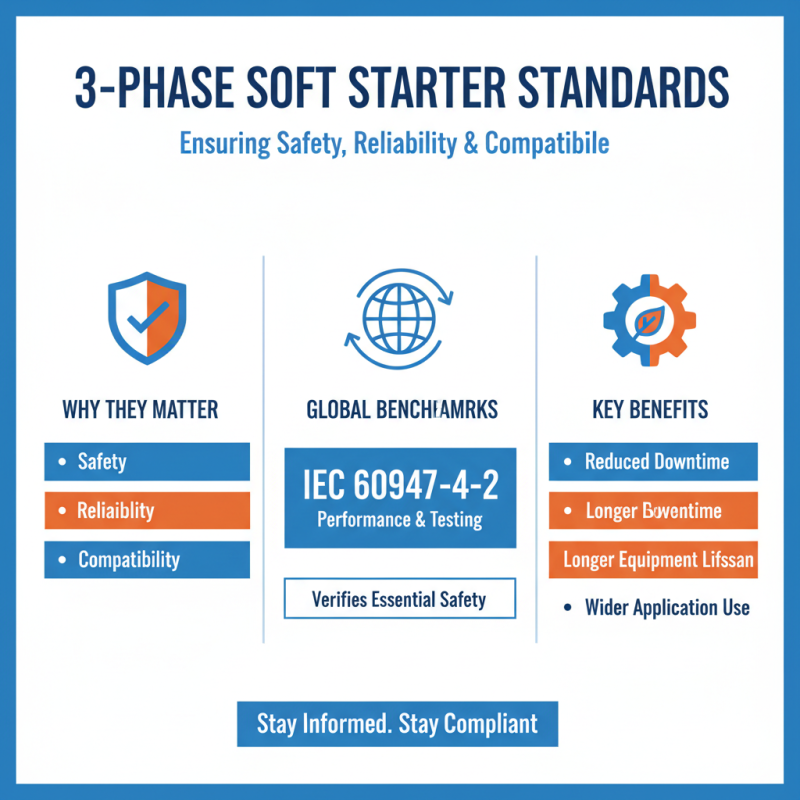
When selecting a 3 phase soft starter, knowing industry standards and certifications is vital. These benchmarks ensure safety, reliability, and compatibility in various environments. For instance, the IEC 60947-4-2 standard covers the performance and testing of soft starters. This standard helps end-users verify compliance with essential safety requirements.
Certifications from organizations like UL or CE signify that products have undergone rigorous testing. They often assure buyers of the soft starter’s suitability for specific applications. A noted report from the Electric Power Research Institute highlights that 42% of equipment failures are linked to non-compliant components. Hence, choosing a certified soft starter guarantees better performance and longevity.
It’s also important to consider parameters like Phase Loss Soft Starter features. These protect the motor from phase loss disruptions effectively. However, relying solely on a soft starter without proper awareness can lead to issues. Some users overlook the significance of installation practices, which can compromise equipment integrity. Reflecting on these factors can aid in making informed decisions for your specific needs.
Choosing the right three-phase soft starter often hinges on balancing cost and performance. This decision can be tricky. A more affordable option might reduce initial expenses, but hidden costs can arise later. It’s essential to consider how performance affects operational efficiency. Low-performance devices can lead to higher energy consumption and increased maintenance needs.
While high-performance starters offer many benefits, they usually come at a premium. You might wonder if you need all those features. For instance, advanced soft starters provide better control over starting currents. They may also extend the lifespan of your motors, which can offset initial costs over time. Be wary of overspending on features you might not use.
Finding the sweet spot requires careful evaluation. Look at your specific applications. If demand fluctuates, you might not need an expensive unit. On the flip side, if your equipment operates under heavy loads regularly, investing in performance pays off. Reflect on your long-term needs versus immediate budget constraints. This thought process can guide you toward a decision that aligns with both financial and operational goals.
: The product often includes user-friendly design and versatile functionality for various tasks.
Many users find it enhances productivity and simplifies routine activities significantly.
Yes, its intuitive features make it suitable for users with little experience.
Some users report certain features may not meet advanced needs. Reflection is vital here.
Regular cleaning and software updates are essential for optimal performance.
Typically, limited warranties are provided, but details vary. Read the terms carefully.
Customer support is available, but response time can vary. Patience may be required.
Some products offer customizable settings, but not all features may be flexible.
Environmental impact varies; some materials may not be eco-friendly. Always review details.
Seeking online resources or community forums can be helpful for additional inquiries.
A 3 Phase Soft Starter is essential for managing the starting process of three-phase motors, helping to reduce inrush currents and mechanical stress during startup. Understanding the functionality and specifications of these devices is crucial for selecting the right soft starter for your application. Key factors include evaluating motor size and type, assessing the operational environment, and distinguishing between analog and digital control options.
Moreover, it is important to consider industry standards and certifications to ensure reliability and safety. When selecting a 3 Phase Soft Starter, balancing cost and performance is essential to meet specific operational requirements effectively. Ultimately, thorough evaluation and careful consideration of these aspects will lead to an optimal choice that enhances motor performance and longevity.