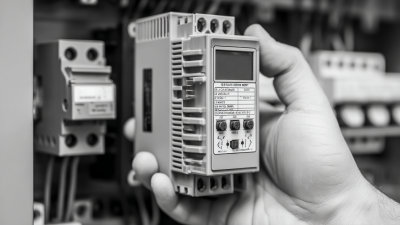
Picking out the best Soft Startersfor your project can actually feel a bit overwhelming sometimes. I mean, with so many options out there, it’s easy to get lost. Did you know that, according to a report by Research and Markets, the global market for Soft Starters is expected to grow at about 4.2% annually from 2021 to 2026? That really shows how these devices are becoming more and more essential in industrial settings.
Basically, Soft Starters help cut down that huge rush of current when motors start up, which means better control and efficiency. Big brands like Siemens and Schneider Electric have some pretty advanced options to choose from, tailored to different needs. But honestly, picking the right one? That’s the tricky part. You have to think about things like the size of your motor, what kind of application you're dealing with, and even environmental factors.
Reliability matters a lot here. Making the wrong choice can mean costly downtime and more maintenance in the long run. Sometimes people overlook those tiny details, but they can actually make a huge difference. So, it’s really important to evaluate what your specific requirements are and maybe even get some expert advice. It’s not just about making a quick purchase—long-term performance and how well it fits your needs are just as critical. When you pick the right soft starter, it can make your operations run smoother and help avoid unnecessary risks across the board.
Understanding Soft Starters and Their Importance in Applications
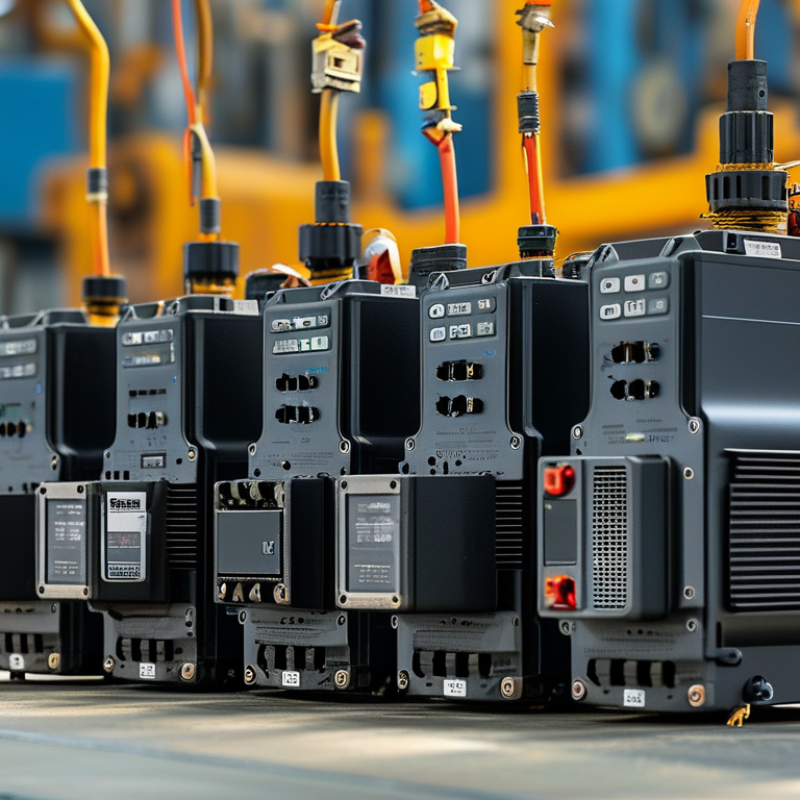
Soft starters play a crucial role in various applications where smooth start-up of electric motors is essential. These devices limit the inrush current, reducing mechanical stress on components. By gradually ramping up voltage, they prevent sudden jolts that might damage your equipment. This feature is particularly important in applications such as conveyor belts and pumps, where steady torque is needed to avoid jerky movements.
Understanding the importance of soft starters involves recognizing their impact on energy efficiency and equipment lifespan. They help in minimizing energy loss during start-up, resulting in lower operational costs. Moreover, using soft starters can significantly extend the lifespan of motors by reducing wear and tear. However, it's essential to analyze your specific application requirements before choosing a soft starter. Not all soft starters are equipped with the same features or specifications. Tailoring your choice to meet the unique demands of your setting can be a complex task, requiring careful consideration.
Analyzing Different Types of Soft Starters Available on the Market
When selecting the best soft starters, understanding the different types available is vital. Generally, soft starters fall into two categories: bypass and non-bypass. Bypass soft starters are efficient for applications that require a quick, simple startup. They allow full mains voltage during operation, which might not suit all equipment.
Non-bypass soft starters, however, provide more control. These devices gradually increase voltage, reducing mechanical stress. This feature is beneficial for heavy machinery that experiences significant load changes. Analyzing operational requirements will help you choose between these options.
Tips: Consider the application environment. Some soft starters handle vibration and temperature extremes better than others. Review installation flexibility too, as some models fit more easily into tight spaces. Know that while Variable Speed Drives And Soft Starters serve similar purposes, their unique features are tailored for distinct requirements. Understanding these nuances is crucial.
Take note of your power supply specifications. Ensure the soft starter you choose aligns with these details. Not all soft starters are created equal; some might not support advanced functionalities. Reflect on these aspects as you narrow down your choices.
Key Factors to Consider When Selecting a Soft Starter
When selecting a soft starter, several key factors must be considered to ensure optimal performance. One primary aspect is the motor size and type. According to industry reports, choosing a soft starter that matches the motor's specifications can lead to over 30% energy savings. This emphasizes the importance of compatibility. A mismatch might reduce efficiency and lead to unnecessary wear.
Another critical factor is control features. Advanced soft starters provide adjustable starting current settings. This can help manage inrush current, which is often 5-8 times the motor's full load current. A reliable Soft Starters Supplier can guide users on the essential control features suited for specific applications. Understanding whether your application requires simple starting profiles or more complex ramp-up and ramp-down capabilities can impact both performance and longevity.
Heat dissipation is another area that often needs reflection. Soft starters generate heat during operation. Insufficient heat management can result in failures. Reports suggest that approximately 40% of soft starter failures stem from inadequate cooling. Ensuring proper installation in a ventilated space is crucial. Sometimes, additional cooling systems may be necessary, adding complexity to the setup. These considerations highlight the need for careful evaluation when choosing the right soft starter for your needs.
How to Choose the Best Soft Starters for Your Applications?
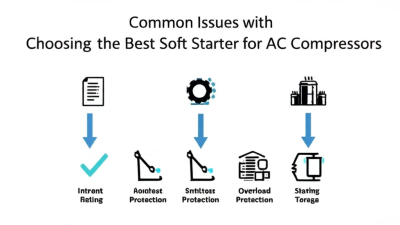
| Key Factor | Description | Considerations |
| Current Rating | The maximum current the soft starter can handle. | Ensure it exceeds the motor's full-load current. |
| Voltage Rating | The voltage levels the soft starter can operate at. | Match the starter with the system voltage. |
| Control Method | The method used for controlling the motor startup. | Choose between voltage ramp, current limit, etc. |
| Protection Features | Safety options to avoid equipment damage. | Look for overload, phase loss, and more protections. |
| Size and Mounting | Physical dimensions and mounting options. | Ensure it fits within your available space. |
| Cost | Price point and budget considerations. | Balance between features and price. |
| Brand Reputation | The manufacturer's track record in the industry. | Research reviews and user experiences. |
Evaluating the Technical Specifications of Soft Starters
When selecting the best soft starters, it's essential to evaluate their technical specifications carefully. Soft starters manage the inrush current during motor startups, protecting both electrical systems and mechanical loads. According to a recent industry report by MarketsandMarkets, the soft starter market is projected to reach $2.05 billion by 2025, highlighting the growing importance of these devices in industrial applications.
Key specifications include current rating, voltage rating, and control types. A typical soft starter supports voltage ratings like 230V, 400V, or even higher, accommodating various motor sizes. Additionally, the current rating must match the motor’s full load current to ensure optimal performance. A gap here can lead to overheating or failure. Selection also involves assessing control types: whether the application requires basic starting or advanced features like soft stopping and reversing.
It's essential to consider installation complexity too. Some systems require expert installation, impacting overall costs. According to the International Electrotechnical Commission, improper installation can reduce the lifespan of soft starters by up to 30%. This factor underscores the need for thorough evaluation before choosing a soft starter. The right choice will enhance efficiency and reliability while minimizing operational disruptions.
Assessing Application-Specific Requirements for Soft Starters
When selecting soft starters, understanding application-specific requirements is crucial. The load type, voltage, and starting current need careful assessment. According to industry reports, over 30% of motor failures result from inadequate starting methods. Choosing an appropriate soft starter can mitigate such risks, improving motor lifespan and operational efficiency.
It's essential to consider the starting method that best suits your application. Some setups may benefit from a reduced voltage start, while others require a soft starting capability. The specific operational environments can affect performance; for instance, dust and moisture levels can impact component longevity. Data from the International Electrotechnical Commission indicates that environmental factors cause a significant number of equipment malfunctions.
Consulting with experienced professionals can provide insights into the perfect fit for your requirements. Yet, be aware that many do not assess all factors thoroughly. Understanding thermal limits, soft starter ratings, and application demands can be daunting but necessary. Careful reflection on these aspects can prevent future challenges.
Comparing Cost vs. Performance in Soft Starter Choices
When selecting soft starters for industrial applications, weighing cost against performance is crucial. Users must consider the operational demands of their machinery and the specific conditions in which they will operate. A lower initial cost might seem appealing, but it could lead to higher energy bills over time. Efficiency ratings vary widely among products, impacting their long-term value.
Many users overlook the importance of optimal performance metrics. High-performance soft starters can reduce wear on motors, enhancing their lifespan. This can result in fewer breakdowns and repairs, which ultimately saves money. On the other hand, users may find themselves paying dearly for features they don’t need. The key is identifying the right balance that matches the application’s requirements.
It’s important to consult with a reliable Soft Starters Manufacturer to gain insights. Their expertise helps in understanding your unique needs. They can provide data on energy efficiency and durability, which is vital for making informed decisions. However, buyers should reflect on feedback from previous projects. What worked? What didn’t? Such a retrospective approach is crucial in ensuring that the soft starter chosen aligns with both current and future operational demands.
Best Practices for Installing and Maintaining Soft Starters
When choosing soft starters for industrial applications, installation and maintenance practices play a crucial role. Proper installation can enhance efficiency and reliability. According to a 2022 report by the International Electrotechnical Commission, incorrect wiring contributes to nearly 15% of soft starter failures. Always consult installation manuals and align connections meticulously. Ensure adequate space for cooling and access to ventilation. These steps can significantly reduce downtime and potential damage to equipment.
Maintenance should not be overlooked. Regular checks can identify early signs of wear and tear. For example, a recent study from the Electric Power Research Institute indicated that routine inspections could extend the lifespan of soft starters by up to 25%. Simple tasks, like cleaning dust from units and checking for loose connections, can prevent major issues. Monitoring performance metrics is also advised. The insights gained from a Soft Starters Factory or industry experts can guide maintenance schedules and practices.
User feedback is vital. Inconsistent performance and unexpected failures might signal a need for reevaluation of maintenance strategies. While comprehensive guides exist, real-world experiences often highlight flaws or gaps. Collecting data on failures can inform better practices. This reflective approach can lead to improved reliability and efficiency in soft starter deployments.
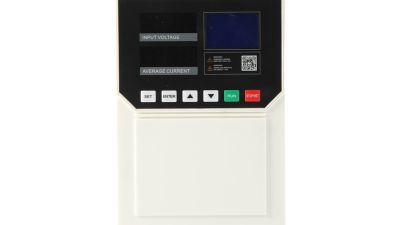
Efficient Motor Control Solutions: Exploring the LCRV6-C Series Online Soft Starter from China’s Leading Suppliers
The LCRV6-C Online Soft Starter is a remarkable advancement in motor control technology, tailored specifically for enhancing operational efficiency and performance. This state-of-the-art soft starter has been meticulously engineered to meet the demands of modern industrial applications, boasting a sleek and contemporary design that appeals to a broad range of users. Its innovative features not only simplify motor start-up processes but also contribute to reduced energy consumption and improved system longevity.
As a leading product from prominent suppliers in China, the LCRV6-C stands out due to its reliability and efficiency. By collaborating with reputable manufacturers, users can access high-quality motor solutions that ensure peak performance for their systems. The commitment to excellence in design and functionality makes this soft starter an ideal choice for businesses looking to optimize their motor operations while minimizing downtime and maintenance costs. Embracing such advanced technology empowers industries to achieve better results and streamline their processes.
FAQS
: Evaluate voltage rating, current rating, and control types. Ensure they fit your motor's specifications.
Improper wiring can reduce the lifespan of soft starters by up to 30%. Be meticulous during installation.
Regular checks can extend their lifespan by up to 25%. Simple tasks can prevent major issues.
Expert installation may be necessary. This can increase costs but ensures proper functionality.
Routine inspections are crucial. Monitor for wear and tear; even minor tasks can avert big problems.
User experiences can reveal flaws. Collecting data can improve maintenance strategies and overall reliability.
Poor wiring often leads to failures. Always follow installation manuals closely.
Cleaning dust and checking connections are vital. Don't overlook these simple tasks.
Reevaluate maintenance strategies. Look for patterns in failures and adjust accordingly.
Matching specifications to motor needs can prevent overheating. Poor choices can lead to operational issues.
Conclusion
Soft starters are crucial devices that provide a smoother and more controlled start to electric motors, reducing mechanical stress and enhancing the lifespan of equipment. To choose the best soft starter for your applications, it's essential to understand the different types available on the market and analyze their key features. Factors such as the specific technical specifications, the requirements of your particular application, and a cost versus performance assessment should all be considered during the selection process.
In addition to understanding the varied options, it's vital to follow best practices for installation and maintenance. This ensures optimal performance and reliability over time. By thoroughly evaluating these aspects, you can make an informed decision that meets your operational needs while maximizing efficiency and minimizing wear and tear on your systems.