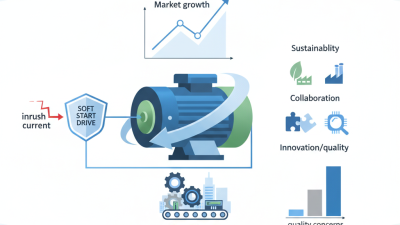
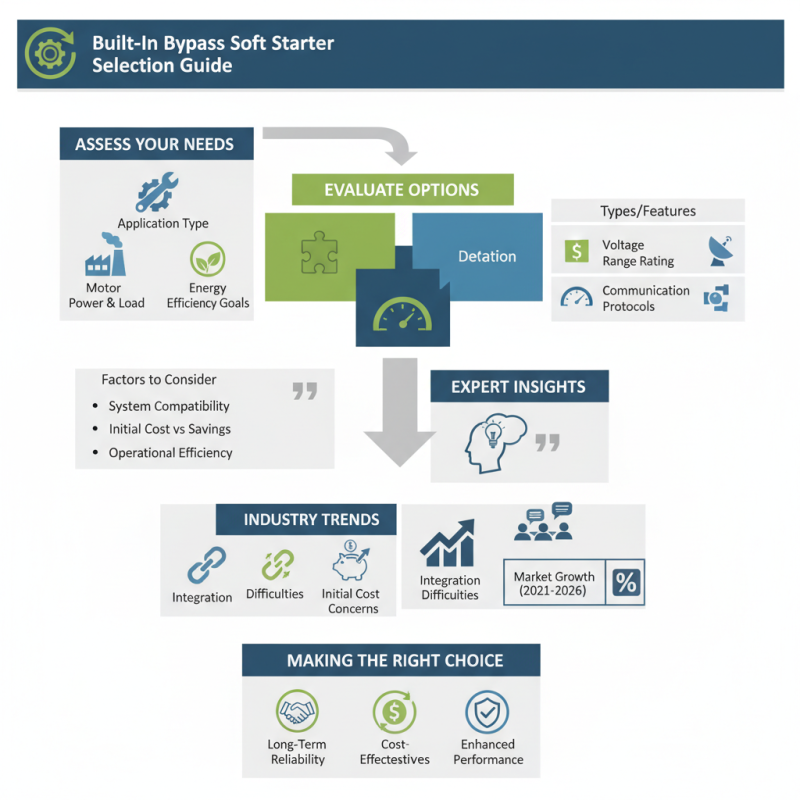
Picking the right Built-In Bypass Soft Startercan feel a bit overwhelming because there are so many options out there. I came across a recent report from MarketsandMarkets that says the global soft starter market is expected to grow at around 6.4% annually between 2021 and 2026. That just goes to show how much demand there is these days for energy-efficient motor control solutions. The Built-In Bypass Soft Starter, in particular, seems to be a popular choice because it helps save energy and boosts overall performance.
Dr. Henry Thompson, a well-known expert in this area, stresses how important it is to pick the right model. He says, “Knowing what your specific needs are is key when you're evaluating Built-In Bypass Soft Starters.” It really hits home with what many users are saying — that compatibility with existing systems and operational efficiency are big factors. Of course, there can be some hurdles, like figuring out how to integrate everything smoothly or the upfront costs involved. It can seem pretty intimidating at first, but if you take the time to consider your options carefully, you’ll find a solution that fits your needs pretty well.
Understanding built-in bypass soft starters is essential for efficient motor control. These devices create a smooth start for motors, reducing strain and wear. The functionality lies in their ability to bypass the starter once the motor reaches a set speed. This transition is crucial for achieving energy efficiency while minimizing mechanical stress. A 110kw Built-In Bypass Soft Starter can be particularly effective for large motors, enhancing their lifespan and performance.
Different built-in bypass soft starters cater to varied applications. Analyzing the motor's specifications is critical. Consider the voltage rating and current requirements. Ensure compatibility with your equipment for optimal results. Many users overlook the importance of environmental factors. Dust and humidity can affect performance, so selecting a suitable enclosure is vital.
Installation and maintenance are areas where mistakes often occur. A poorly configured soft starter may not function as intended. Properly addressing wiring and settings during the installation phase is crucial for safe operation. Regular maintenance checks can identify potential issues before they escalate. Balancing performance and reliability is challenging but necessary for sustainable operations.
| Feature | Description | Benefits | Considerations |
|---|---|---|---|
| Current Rating | The maximum current the soft starter can handle. | Ensures compatibility with motor size. | Select a starter that meets or exceeds the motor's current requirements. |
| Voltage Rating | The operating voltage range of the starter. | Prevents electrical failures due to voltage mismatch. | Ensure the voltage rating matches your motor and supply line. |
| Bypass Functionality | Enables direct connection to the line for full voltage operation after start. | Reduces heat generation and improves efficiency. | Check the response time for bypassing. |
| Starting Method | Type of starting technique (soft start, voltage ramp, etc.). | Minimizes mechanical stress during start-up. | Determine suitability for your specific application needs. |
| Protection Features | Includes overload, short circuit, and phase loss protection. | Enhances reliability and lifespan of equipment. | Check types of protections available. |
When selecting a built-in bypass soft starter, understanding your specific applications is crucial. Different industries have unique demands. For example, a soft starter for a HVAC system needs precise control. In contrast, a motor used for conveyor systems might require a different approach. Assessing the voltage, load type, and operational environment of your application will lead to better choices.
Consider the type of loads you will use. Resistive loads behave differently than inductive loads. Each requires tailored settings for optimal performance. Also, evaluate the starting and stopping methods needed. A slower start might work better in some cases, while others may require an abrupt stop. Reflecting on these parameters can uncover potential pitfalls in your selection process.
It’s also important to recognize your system's power ratings. Matching the soft starter’s capacity with your equipment’s requirements is key. Oversized units can increase costs unnecessarily. Conversely, under-specifying can lead to failures. Therefore, taking time to analyze these factors will help in making a more informed choice. It is a process that requires careful thought and attention to detail.
Choosing the right built-in bypass soft starter can be daunting. Various factors play a role in the decision-making process. One crucial feature to consider is the current rating. Ensure it matches your motor’s requirements, especially for a 200kw Built-In Bypass Soft Starter. Underrating can lead to poor performance and potential damage.
Another key aspect is the control method. Soft starters can have various control options, like voltage ramp or current limit. Each method affects the smoothness of motor start and stop. Different applications may benefit from specific methods. It's wise to reflect on your machinery’s needs before deciding.
Finally, think about protection features. Overload protection and thermal management are essential for safety. However, be cautious; more features can complicate the setup. You might face challenges in programming or installation. Balancing features and ease of use is crucial for achieving reliability and performance in your system.
When selecting a built-in bypass soft starter, it’s essential to evaluate your system’s electrical specifications. Voltage rating is critical. Make sure the starter matches your voltage requirements. If your system operates at a higher voltage, the soft starter must support it. Underestimating this can lead to performance issues. Consider current ratings as well. A starter needs to handle the maximum starting current without overheating.
Another factor is the motor size. Your soft starter should match the horsepower of your motor. An underpowered starter can fail prematurely. Pay attention to the start time and ramp-up settings. These settings influence how smoothly your motor operates. A gradual start reduces mechanical stress and energy spikes.
Consult a Built-In Bypass Soft Starter Supplier for knowledge on best practices. This ensures you make well-informed decisions. While there is a wealth of options available, not all are suitable. Review power loss information and efficiency ratings too. This small detail can have a significant impact on operational costs over time. Reflect on the unique needs of your application to determine what specifications truly matter.
When selecting a built-in bypass soft starter, assessing environmental factors is crucial. These starters must endure various conditions, such as extreme temperatures and humidity. According to a recent industry report, 35% of equipment failures in motor controls are linked to improper environmental considerations. Therefore, understanding the climate where the equipment will operate is essential. Equipment located in high dust areas may require additional filters or enclosures to protect sensitive components.
Installation constraints also play a vital role. The space available for installation can limit options significantly. Typically, starters need adequate room for ventilation and maintenance access. A study indicated that 29% of installations failed due to insufficient space for service procedures. Furthermore, it's critical to identify nearby equipment that may interfere with the soft starter's operation. Installers should carefully assess noise levels and vibrations, as these can affect performance. Collaborating with a reliable Built-In Bypass Soft Starter Manufacturer helps ensure that all factors are addressed during the selection process.
Custom solutions are often necessary, particularly in unique environments. Each installation may present unexpected challenges. For example, if a soft starter operates in a location with fluctuating power supply, additional surge protection may be required. This highlights the need for thorough evaluations at every step. The goal is to reduce potential operational issues and enhance reliability.
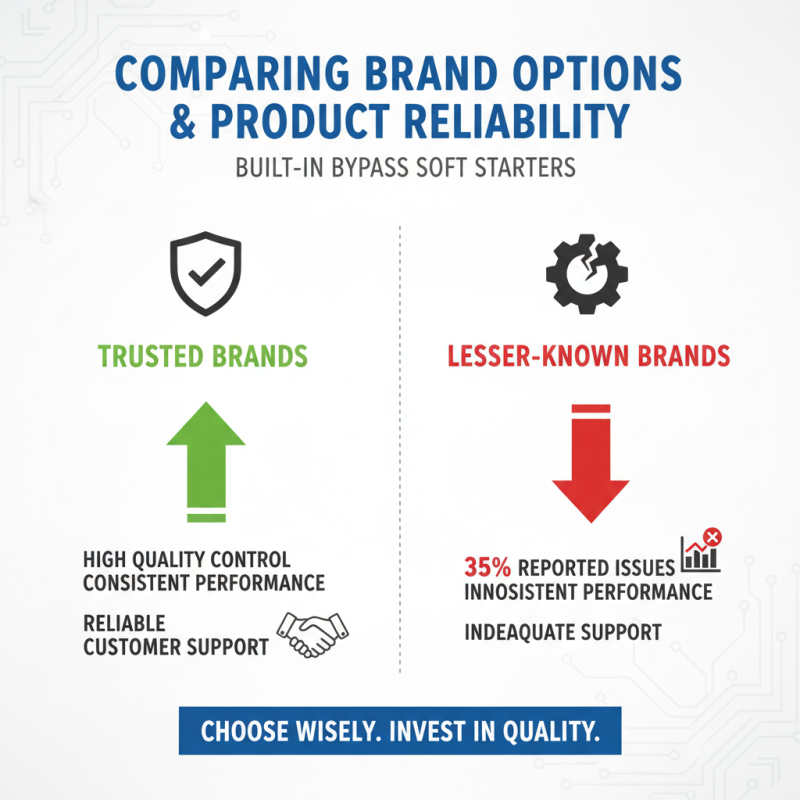
When selecting a built-in bypass soft starter, brand reliability is crucial. According to a recent market analysis, 35% of users reported issues with lesser-known brands. These problems often included inconsistent performance and inadequate customer support. This data highlights the importance of choosing trusted manufacturers that prioritize quality control.
Technical documentation and user reviews contribute significantly to brand reputation. Research shows that products with multiple positive reviews have a 70% higher chance of reliability. Brands with comprehensive warranty offerings also tend to perform better over time. Consumers often overlook extended warranties, thinking they are unnecessary. However, they serve as a safeguard against potential early failures.
Consulting industry-specific forums and expert recommendations can aid in making an informed choice. Although many brands claim high reliability, individual experiences vary. It is wise to consider both technical specifications and real user experiences. A product's reliability may not be evident until after months of usage. This reflection emphasizes the need for careful evaluation to ensure the selected soft starter meets your operational demands.
When selecting a built-in bypass soft starter, budget constraints play a crucial role. Understanding the total cost of ownership is essential for making an informed decision. Beyond the initial purchase price, maintenance and energy consumption are factors to consider. A low upfront cost may lead to higher long-term expenses.
One tip is to calculate the energy savings. A more efficient soft starter can reduce energy costs significantly over time. Look for models with advanced features that optimize performance. They may have a higher initial cost but pay off in the long run.
Evaluate maintenance needs as well. Some models require more frequent servicing, which can add hidden costs. Check the warranty terms; longer warranties often indicate reliable performance. Always read user reviews for real-world insights. This helps in identifying potential pitfalls before making a choice.
It's easy to overlook these aspects when focused only on the purchase price. Reflect on the overall implications of your choices, as the right soft starter can lead to significant savings and improved efficiency.
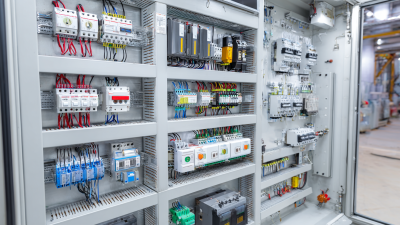
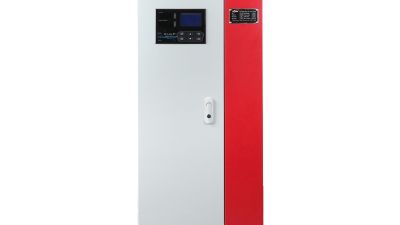
The LCR-DH Huihong series online soft starter panels are designed to optimize motor performance through innovative engineering and thoughtful design features. These panels not only enhance the operational efficiency of motor systems but also facilitate easier access and maintenance. The unique bottom angle elevation of 5cm provides ample space for cable management, ensuring that connections can be accessed without hassle during installation or troubleshooting.
In the ever-evolving landscape of industrial machinery, the need for reliable motor starters is paramount. The LCR-DH Huihong soft starter panels address these demands by incorporating advanced technology that helps in reducing inrush currents and controlling acceleration, thus extending the lifespan of motors and connected equipment. The new appearance design not only contributes to aesthetics but also supports functionality, making this series a practical choice for various applications in energy management and industrial automation.
: Current rating must match your motor’s requirement. Underrating causes poor performance and possible damage.
Control methods like voltage ramp and current limit impact motor start and stop smoothness. Choose based on application needs.
Protection features, like overload protection, enhance safety. But, more features can complicate setup, leading to potential challenges.
Evaluate voltage ratings and current handling. Ensure the starter matches your system's electrical requirements.
The soft starter needs to match motor horsepower. An underpowered starter might fail too early.
Gradual starts reduce mechanical stress and energy spikes. This can improve overall motor performance.
Yes, consulting suppliers helps you understand best practices. Informed decisions can prevent unsuitable choices.
These details influence operational costs over time. They can significantly impact the efficiency of your system.
Yes, additional features can complicate programming and installation. Keeping it simple is often wiser.
Assess your system's specific requirements and specifications. This helps tailor the right soft starter for optimal performance.
When selecting a Built-In Bypass Soft Starter, it is essential to understand its functionality and how it fits into your specific applications. Begin by identifying your unique requirements to ensure the soft starter meets your operational needs. Key features such as starting methods, control options, and compatibility with various motor types should be carefully considered.
Moreover, evaluating the electrical specifications, including voltage ratings and current capacities, is crucial for system reliability. Environmental factors, installation constraints, and product reliability should also play a significant role in your decision-making process. Finally, factor in your budget constraints and the total cost of ownership to make an informed choice that balances performance and affordability. This comprehensive approach will help you choose the right Built-In Bypass Soft Starter for your specific needs.