In today's industrial landscape, selecting the best Soft Start Motor Controlsolutions can be challenging. John Smith, a leading expert at MotorTech Solutions, once stated, "A well-chosen Soft Start Controller enhances efficiency and reduces downtime." His insights highlight the importance of making informed choices.
Soft Start Motor Control systems are critical for prolonging motor life and preventing mechanical stress during startup. The right solution can save energy and improve overall performance. Various options are available. Each comes with its own set of features, advantages, and potential pitfalls.
As we explore these solutions, it’s vital to focus on reliability and user experience. The process can feel overwhelming at times. However, identifying your specific needs and understanding the technology will lead to better decisions. Investing time in research will pay off in the long run. Each choice should align with operational goals and environmental standards to ensure sustainable success.
Understanding Soft Start Motor Control: Key Concepts Explained
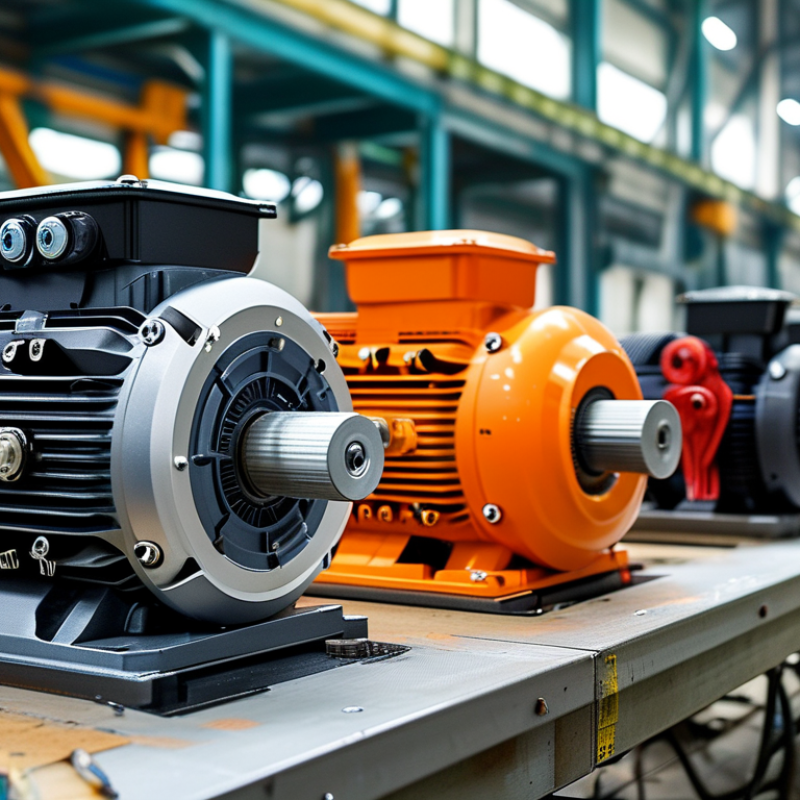
Understanding Soft Start Motor Control involves key concepts that aid in selecting the right solution for specific applications. Soft start technology reduces the inrush current when a motor starts. This can prevent mechanical stress and extend the motor's life. A good soft start motor control solution gradually increases motor voltage, allowing for smoother acceleration. This, in turn, minimizes wear on connected machinery and helps prevent hydraulic shock.
Selecting the best solution requires careful consideration of several factors. Efficiency, compatibility with existing systems, and control features are vital. Not all devices are suitable for every application. A Soft Start Motor Control Supplier can provide expertise in this area. They help identify the right settings and configurations that match your operational needs.
Engineers must also reflect on potential challenges in deployment. For instance, integrating new technology with existing infrastructure can reveal unexpected issues. Understanding the operational environment is crucial. Without proper context, a selected control solution might underperform. Careful evaluation and proactive planning can mitigate these risks.
Benefits of Using Soft Start Motor Control Solutions
Soft start motor control solutions offer numerous benefits that improve operational efficiency and longevity. By gradually ramping up the voltage, these systems reduce mechanical stress on machinery. According to a report from the International Electrotechnical Commission, Soft Starters can extend motor life by up to 30%. This not only lowers maintenance costs but also minimizes downtime, leading to higher productivity.
Another significant advantage is energy savings. When motors start suddenly, they can draw up to six times their full-load current, increasing energy consumption. The U.S. Department of Energy reports that implementing soft starters can lead to energy consumption reductions of around 25%. This is crucial in today's eco-conscious environment, where energy efficiency is a priority.
Tip: Consider the application of your motor. For high-inertia loads, a soft start can drastically decrease wear and tear. However, not all systems benefit equally. It's essential to analyze specific requirements before implementing a soft starter solution. Evaluate load characteristics and starting conditions to ensure optimal performance.
How to Choose the Best Soft Start Motor Control Solutions? - Benefits of Using Soft Start Motor Control Solutions
| Dimension | Definition | Benefits | Applications |
| Voltage Rating | The maximum voltage the soft starter can handle. | Prevents electrical stress and prolongs motor life. | Used in equipment like conveyors and pumps. |
| Current Rating | The maximum current allowable for motor operation. | Ensures efficient starting without overloading. | Ideal for heavy machinery and HVAC systems. |
| Control Method | The technology used to manage motor start-up. | Allows for smooth acceleration, reducing wear. | Applicable in fans, compressors, and crushers. |
| Protection Features | Safety measures to protect the motor and the starter. | Covers against overload, phase loss, and short circuits. | Critical in mining, water treatment, and process industries. |
| Size and Form Factor | Physical dimensions impacting installation and space. | Facilitates easier integration into existing systems. | Used in limited-space applications such as offshore rigs. |
Types of Soft Start Motor Controllers Available in the Market
When considering soft start motor controllers, various options are available on the market. Each type serves unique applications. One common type is the resistive soft starter. It utilizes resistors to limit current during startup, providing a gentle ramp-up to full speed. This method is simple and cost-effective, making it a popular choice for smaller motors. However, it may not be suitable for heavy-duty applications, as it can generate heat and reduce efficiency.
Another type is the electronic soft starter. Unlike resistive starters, these devices control motor startup through advanced electronics. They adjust voltage and current levels dynamically, which is beneficial for larger motors. Electronic controllers often feature programmable settings. This allows for customization based on specific operational needs. However, they can be more complex and may require technical expertise for setup and maintenance.
Lastly, there are fluid coupling soft starters. These systems use hydraulic fluid to manage the motor's acceleration. They provide a smooth and controlled startup, minimizing mechanical stress. While they can be effective, the initial costs and maintenance can be high. Assessing the application and weighing the pros and cons of each type is crucial for optimal motor control solutions. Every choice has its trade-offs, so careful reflection is needed.
Comparison of Soft Start Motor Controller Types
Factors to Consider When Selecting a Soft Start Motor Control Solution
When selecting a soft start motor control solution, several crucial factors must be taken into account. The specific application and load type significantly impact the choice. Different motors and applications require varying torque and speed control capabilities. In 2022, approximately 30% of motor failures were attributed to inadequate starting methods, indicating a need for effective solutions. Carefully evaluating load conditions is essential to avoid costly downtime.
Another factor to consider is compatibility with existing systems. The soft start motor control solution should integrate smoothly with current equipment. This includes assessing electrical characteristics and communication protocols. A study by the International Electrotechnical Commission suggested that interoperability issues can lead to an up to 20% reduction in operational efficiency.
Additionally, environmental conditions play a role in the decision-making process. High temperatures and humidity levels can affect performance. An effective solution can withstand these challenges, ensuring reliability in various conditions. Engaging with a knowledgeable Soft Start Motor Control Manufacturer can provide insights into options that meet these demands. As different manufacturers offer various features, it's vital to compare specifications and real-world performance data before finalizing the selection.
Installation Requirements for Soft Start Motor Control Systems
Installing a soft start motor control system requires careful planning and attention to detail. Before starting, assess the electrical specifications of your motor. Ensure the voltage and current ratings match the soft starter. This preliminary step is crucial. It prevents potential damage to the system. Fire hazards can arise from miscalculations. Consult an expert if you're unsure.
Space is another critical factor. The installation area must allow for proper ventilation. Overheating can affect performance. Ensure that the soft starter has room to dissipate heat. It’s wise to review local codes and regulations. Compliance is not just a suggestion; it's mandatory. For a reliable installation, consider the cable layout. Poor connections can create issues down the line.
Professional guidance can enhance the installation process. Engaging a qualified technician brings expertise to your project. They can identify overlooked aspects that may affect reliability. Using resources like a reliable Soft Start Motor Control Factory can provide support. A well-executed installation improves motor lifespan. Skipping steps may lead to long-term complications. Evaluating each phase of installation will pay off in performance and efficiency.
Maintenance Tips for Soft Start Motor Controls
Maintaining soft start motor controls is essential for optimal performance and longevity. Regular inspections can help identify potential issues early. Look for signs of wear or overheating around connections and components. Dust accumulation can also be a problem; keep the area around the controls clean and free of debris.
Here are some tips to enhance your maintenance routine. First, check the connections for tightness. Loose connections can lead to arcing and damage. Monitor the temperature of the motor during operation. If it frequently runs hot, it could indicate improper settings or an underlying issue. Additionally, refer to manufacturer guidelines for routine checks.
Performing periodic software updates may also be necessary. Many soft start motor control solutions feature programmable options to improve efficiency. However, not all users consistently implement this step. The risk of outdated software can lead to performance inconsistencies. Being mindful of these aspects could greatly improve the reliability of your soft start systems. Each step in maintenance contributes to the overall operation, which is crucial in environments where Soft Start Motor Control Factories are common.
Common Applications of Soft Start Motor Control Technology
Soft start motor control technology is prevalent across various industries. It's especially vital in applications demanding a gradual start to reduce stress on electrical components. In HVAC systems, soft starters prevent sudden surges, reducing wear on compressors. According to a 2022 report from the International Energy Agency, using soft starters can increase equipment lifespan by approximately 30%. This improvement can lead to significant cost savings and reduced maintenance efforts over time.
Furthermore, soft starts are essential for conveyor systems in manufacturing. They minimize mechanical stress and enhance safety during startup. A study by the National Electrical Manufacturers Association indicates that nearly 40% of industrial motor failures stem from improper starting conditions. Implementing soft start technology can address this issue effectively, ensuring smoother operation. Additionally, soft starters are used in pumps, where they help manage water hammer effects, promoting system integrity.
Nonetheless, it's crucial to assess specific needs when selecting soft start solutions. Not every system benefits equally from this technology. Factors like load type, size of motor, and operational environment play critical roles. Lack of proper evaluation can lead to inadequate performance. Understanding these elements is essential for optimal selections in soft start motor controls.
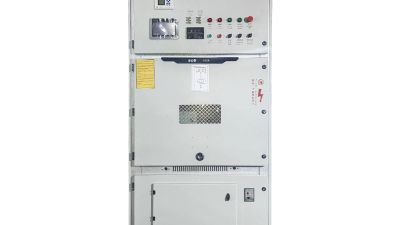
Optimizing Industrial Performance with China LCR-G10 Zhigao Series High Voltage Solid State Soft Starter Panels
The LCR-G10 Zhigao Series high voltage solid state soft starter panels are designed with precision to enhance industrial performance across various applications. Utilizing a high-performance ARM-32 bit microprocessor, these soft starters provide unparalleled accuracy and speed in performance. This advanced technology allows for smooth and efficient control of high voltage systems, minimizing the electrical stress during motor startup and extending the lifespan of critical equipment.
In addition to their technical capabilities, the LCR-G10 series prioritizes reliability and efficiency in operation. Industries can benefit from reduced operational costs and increased productivity, as the soft starters are adept at handling the demands of complex electrical systems. Their robust construction and innovative design make them a reliable choice for high voltage applications, ensuring that industrial operations run seamlessly and with minimal downtime. This focus on optimized industrial performance makes the LCR-G10 an essential component for businesses aiming to enhance their electrical frameworks.
FAQS
: They control the startup of motors, minimizing current surge and stress.
It's a simple device using resistors to limit current at startup. It's cost-effective for smaller motors.
Yes, they manage voltage and current dynamically, requiring technical expertise for setup.
Adequate ventilation is necessary. Overheating can lead to performance issues.
Verify the motor's voltage and current ratings. This prevents potential damage.
Consult a qualified technician. Their expertise can help identify overlooked issues.
They provide smooth acceleration, reducing mechanical stress on motors.
Skipping steps may lead to complications and reduced motor lifespan.
While not mandatory, it enhances reliability and ensures compliance with regulations.
Ensure proper connections. Poor connections can create future problems with performance.
Conclusion
Soft Start Motor Control is a vital technology designed to manage the starting mechanisms of electric motors, aiding in gradual acceleration and reduced energy consumption. Understanding the key concepts behind soft start controls is essential, as they provide several benefits, such as minimizing mechanical stress and energy spikes during startup. Various types of soft start motor controllers are available on the market, each suited to different applications and operational environments.
When selecting a soft start motor control solution, several factors should be considered, including motor type, application requirements, and installation specifications. It's also critical to adhere to proper installation guidelines to ensure optimal performance. Regular maintenance practices will prolong the life of these systems and keep them running efficiently. Common applications of soft start technology span across numerous industries, highlighting its importance in modern motor control systems.