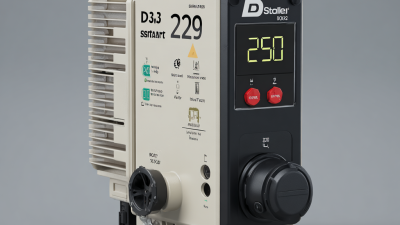
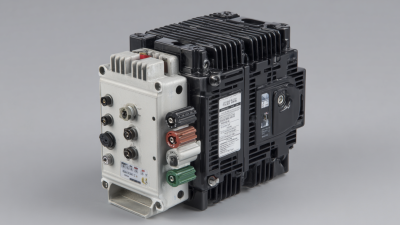
In the world of electrical engineering, picking the right components is super important if you want things to run smoothly and efficiently. Take the 'Soft Starter 230v,' for example—it's a key piece when it comes to controlling electric motors, helping them to start up slowly and gradually rather than all at once. As John Anderson, a well-known expert in motor control tech, puts it, 'Choosing the right soft starter is essential to reduce wear and tear on both the motor and whatever it’s driving.' That really emphasizes how big of a deal it is to carefully pick the right soft starter for whatever job you're working on.
As projects get more and more complicated these days, understanding how a Soft Starter 230v works and what benefits it offers becomes pretty much a must. Basically, these devices cut down on the huge initial current spike when you start up a motor, which can help avoid electrical hiccups and also prolong the life of your equipment. Whether you're dealing with big industrial stuff or smaller DIY projects, having a good soft starter can seriously make a difference. In this guide, I’ll walk you through the main things you should think about when choosing a Soft Starter 230v — because, let's face it, making your electrical setup reliable and efficient is a total game-changer.
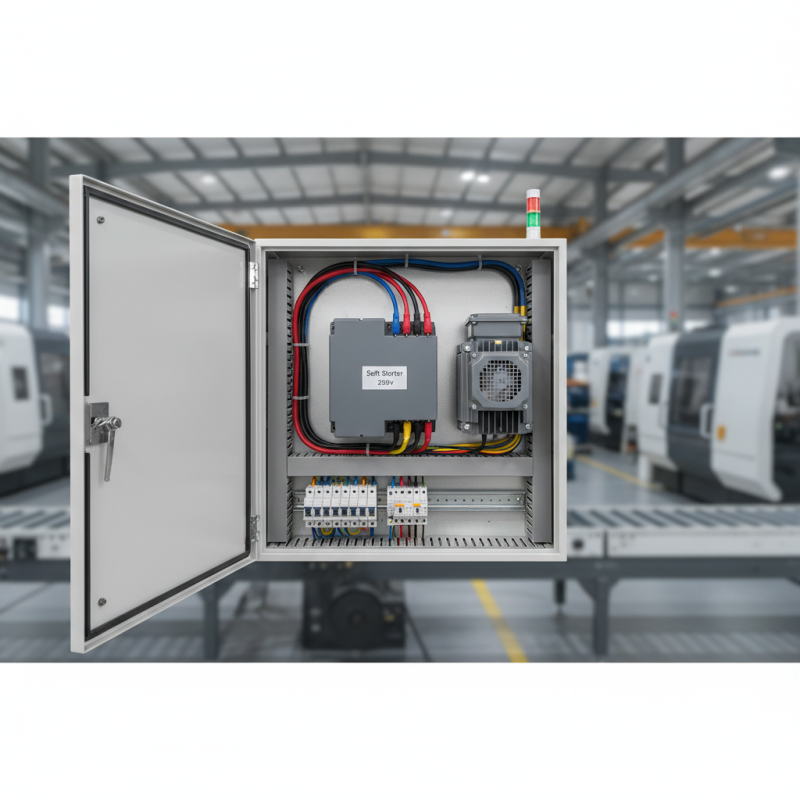
Understanding the Basics of Soft Starters for 230V Applications
Soft Starters areessential components in managing the startup of electric motors, particularly in 230V applications. They function by gradually ramping up the voltage supplied to the motor, which helps to reduce the mechanical stress and electrical surges that typically occur during direct-on-line starting. This gradual increase in power not only extends the lifespan of the motor but also minimizes the impact on the electrical supply system, making soft starters an advantageous choice for various industrial and residential projects.
Understanding the operation and benefits of soft starters involves knowing their key features, including current limiting, voltage ramping, and stopping control. Current limiting ensures that the initial inrush current does not exceed a specified threshold, thereby protecting both the motor and connected equipment. Voltage ramping allows for a controlled acceleration of the motor, providing smoother starts and reducing the risk of drive train damage. Furthermore, integrated stopping controls enable operators to halt the motor gently, preventing sudden jerks that could lead to equipment wear or failure. These features make soft starters particularly attractive for applications where smooth operation and energy efficiency are priorities.
Identifying Your Electrical Project Requirements for Soft Starters
When planning an electrical project that requires a soft starter for a 230V system, the first step is to clearly identify your specific requirements. Consider the type of motor you will be using and its power rating, as this will dictate the capacity of the soft starter you need. Moreover, assess the starting torque required for your application; different projects may need varying levels of torque to start effectively without straining the electrical components.
Tip: Always refer to the motor's datasheet for accurate specifications, including operating conditions and environmental factors. This will help you select a soft starter that not only matches but exceeds the operational capabilities of your motor.
Additionally, think about the operational environment of your project. Factors such as ambient temperature, humidity, and potential exposure to dust or corrosive elements can influence the type of soft starter suitable for your needs. Opt for models with protective features if you expect challenging conditions.
Tip: If you're uncertain about the environmental conditions affecting your project, consult with an electrical engineer. They can provide insights on the optimal soft starters that not only fit within your project's requirements but also enhance the longevity and reliability of your equipment.
How to Choose a Soft Starter 230v for Your Electrical Projects
| Parameter | Description | Value/Options |
| Operating Voltage | The voltage rating for the soft starter | 230V AC |
| Current Rating | Maximum current the soft starter can handle | Up to 50A |
| Control Method | Type of control for starting/stopping motor | Phase Control / Voltage Control |
| Overload Protection | Protection feature against motor overload | Yes / No |
| User Interface | Method of adjusting settings | Digital Display / Manual Potentiometer |
| Size and Mounting | Physical dimensions and mounting type | DIN Rail / Panel Mount |
| Temperature Rating | Operating temperature range | -10°C to 50°C |
| IP Rating | Ingress Protection rating | IP20 / IP65 |
Key Features to Look for in a 230V Soft Starter
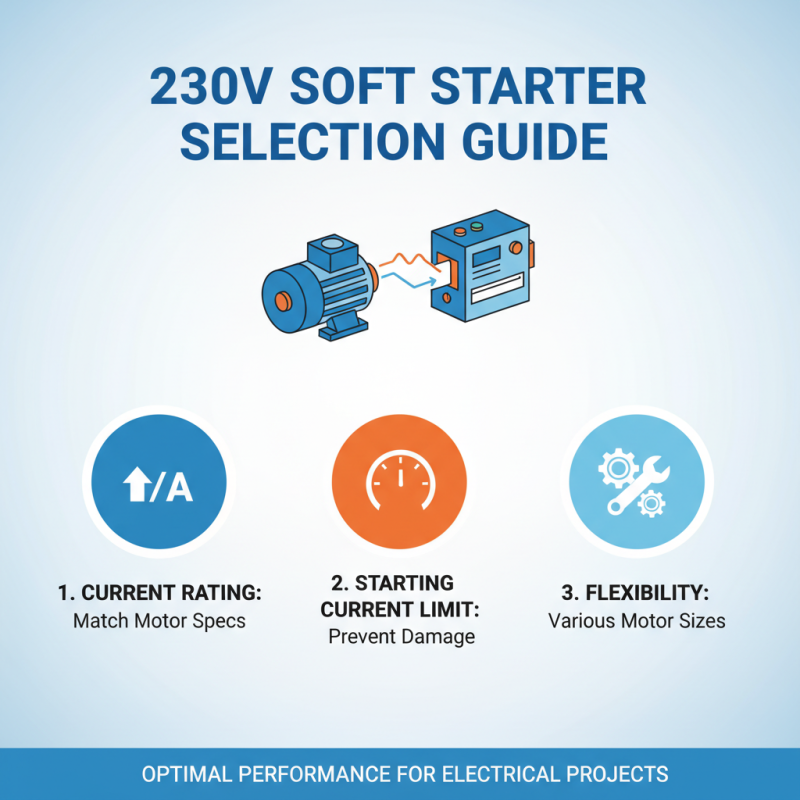
When selecting a 230V soft starter for your electrical projects, it’s essential to consider several key features that will ensure optimal performance. Firstly, the current rating is crucial, as it must match the specifications of the motor you intend to control. Look for starters that can handle a range of motor sizes to provide flexibility for various applications. Additionally, consider the starting current limit; a good soft starter should have adjustable settings to prevent inrush currents that could damage the motor or the electrical system.
Another important feature is the control functionality, including options for ramp-up and ramp-down times. This allows for smoother acceleration and deceleration of the motor, reducing mechanical stress and improving the lifespan of equipment. Furthermore, built-in protection features such as overcurrent, under-voltage, and phase failure detection are vital for safeguarding both the soft starter and the connected motor. Finally, user-friendly interfaces and diagnostic capabilities can make installation and troubleshooting easier, ensuring your projects proceed without unnecessary delays.
Different Types of Soft Starters and Their Applications
When selecting a soft starter for 230V electrical projects, it is crucial to understand the different types available and their specific applications. Soft starters are widely used in various industries to control the starting and stopping of electric motors by gradually ramping up the voltage. This helps reduce mechanical stress and minimizes the electrical inrush current that can damage equipment. Two common types of soft starters are those with bypass functionality and those designed for specific applications such as pumps or fans.
Bypass soft starters operate in two stages, initially limiting the voltage during startup and then switching to a bypass mode once the motor reaches a certain speed. This not only enhances energy efficiency but also reduces the heat generated within the device during operation. Conversely, soft starters tailored for particular applications, such as water pumps, feature built-in control logic that optimizes their performance for specific operational needs. For instance, these specialized soft starters can provide additional functionality like overload protection and automatic restarting, which can be crucial in preventing damage in applications that deal with variable loads. Understanding these types will help you make an informed decision when integrating soft starters into your projects.
Safety Considerations When Using 230V Soft Starters
When using a 230V soft starter in electrical projects, safety should be the utmost priority. Soft starters are designed to control the voltage and current in electric motors, helping to reduce the strain during startup. However, improper use can lead to electrical hazards, including short circuits and fire risks. It is critical to ensure that all connections are secure and that the soft starter is rated appropriately for the motor it will control. Utilizing protective equipment such as circuit breakers can prevent overloads and electrical accidents.
In addition to ensuring proper installation, users must familiarize themselves with the product’s specifications and operational guidelines. Always consult the manufacturer’s documentation to understand the soft starter's limitations and ideal operating conditions. Regular maintenance checks are essential; inspect for any signs of wear or damage that could affect performance.
Lastly, ensuring that the installation site is dry and free from contaminants helps minimize the risk of electrical shock or fire during operation. By adhering to these safety considerations, users can enjoy the benefits of soft starters while maintaining a safe working environment.
Installation Tips for Your 230V Soft Starter
When installing a 230V soft starter, it is crucial to follow a systematic approach for optimal performance and safety. Begin by ensuring that you have all the necessary tools and components, including the soft starter, wiring, and protective gear. Before starting the installation, consult the manufacturer’s manual for specific instructions and safety warnings that pertain to your model.
The first step in the installation process is to disconnect the power supply to prevent any electrical hazards. Once the power is off, you can mount the soft starter in an appropriate location, ensuring that it is protected from moisture and extreme temperatures. Follow the wiring diagram provided in the manual, connecting the input terminals to the power supply and the output terminals to the motor. Pay close attention to the polarity and ensure that all connections are secure to prevent future issues. After verifying the wiring, recheck your work and restore power to the system.
Once the soft starter is powered, you can proceed to configure the settings according to your project requirements. Adjust parameters such as ramp-up time and current limits to ensure smooth operation while protecting your equipment. It is beneficial to conduct a test run to monitor the performance and make any necessary adjustments. Regular maintenance checks can also help in prolonging the lifespan of your soft starter, ensuring reliable performance in your electrical projects.
Troubleshooting Common Issues with Soft Starters
Soft starters play a crucial role in controlling the current and reducing the torque at startup for electric motors, ensuring gentler acceleration and minimizing mechanical stress. However, users may encounter common issues when working with these devices. One major problem is voltage fluctuations, which can cause inefficiencies and even damage to the motor. According to a report by the International Electrotechnical Commission (IEC), nearly 20% of motor failures are attributed to inconsistent voltage supply. Therefore, monitoring your electrical system and ensuring it can handle the soft starter's demands is essential.
Another frequent issue is overheating, often caused by incorrect installation or inadequate sizing of the soft starter for the application. A study published by the Electrical Power Research Institute (EPRI) indicates that up to 30% of installations face this problem, leading to reduced lifespan and performance of both soft starters and connected motors. It’s critical to assess your motor's specifications and environment thoroughly before selecting a unit, particularly considering factors such as ambient temperature and duty cycle.
Tips:
- Always check the input voltage compatibility before installation to prevent issues related to voltage fluctuations.
- Ensure that the soft starter is rated appropriately for your motor's voltage and current requirements to avoid overheating and potential damage.
- Regularly inspect your installation for any signs of wear or malfunction to maintain efficiency and prolong equipment life.
Harnessing Advanced Technology: The Role of LCRV5-C Series Online Soft Starter in Enhancing Motor Efficiency and Performance
The LCRV5-C Series Online Soft Starter exemplifies the integration of advanced technology in improving motor efficiency and performance. By providing a seamless way to control motor starting current, this soft starter minimizes electrical stress on motors, leading to enhanced lifespan and reduced maintenance costs. According to industry reports, implementing soft starters can reduce startup energy consumption by as much as 40%, which translates to significant operational savings in various industrial applications.
The innovative design of the LCRV5-C ensures that motors start smoothly and gradually accelerate to full speed, avoiding the mechanical shock associated with direct-on-line starting methods. This gradual ramp-up not only protects the motor but also decreases wear on connected machinery, leading to improved overall system reliability. With a growing emphasis on energy-efficient solutions, many organizations have started incorporating soft starters into their motor control strategies, aligning with the industry trend towards sustainable practices and reduced environmental impact.
Moreover, advancements in soft starter technology, such as those exemplified by the LCRV5-C, also facilitate better load management. By enabling precise control over motor speed and torque, businesses can adapt more efficiently to varying operational demands. This adaptability is crucial in sectors that require high levels of automation and responsiveness, illustrating how integrating advanced soft starters can significantly enhance both efficiency and performance across diverse applications.
FAQS
: You need to identify the type of motor and its power rating, as these will dictate the capacity of the soft starter. Additionally, assess the required starting torque for your application and refer to the motor's datasheet for specifications.
Factors such as ambient temperature, humidity, and exposure to dust or corrosive elements can influence your choice. It's advisable to select models with protective features suitable for challenging conditions.
Voltage fluctuations are a common issue, which can lead to inefficiencies and even motor damage. Monitoring your electrical system is essential to ensure it can handle the demands of the soft starter.
Overheating is often caused by incorrect installation or inadequately sizing the soft starter for the application. It's important to thoroughly assess your motor's specifications and environment before selecting a unit.
Always check the input voltage compatibility before installation to ensure it aligns with the soft starter's requirements.
Regular inspections help identify signs of wear or malfunction, maintaining efficiency and prolonging the lifespan of both the soft starter and the connected motor.
Conclusion
In the process of selecting a Soft Starter 230v for your electrical projects, it's essential to start by understanding the fundamentals of soft starters and their specific applications in 230V systems. Firstly, assess your project requirements to ensure you choose the right model that meets your operational needs. Key features to consider include current ratings, control options, and protection features that enhance performance and safety.
Additionally, familiarize yourself with the different types of soft starters available and their suitable applications, as each type serves unique functions within electrical systems. It's crucial to prioritize safety by following guidelines when using a Soft Starter 230v, along with proper installation techniques to facilitate effective operation. Lastly, be prepared to troubleshoot common issues that may arise, ensuring your electrical projects run smoothly and efficiently.