In today’s fast-changing world of industrial automation, choosing the right equipment can really make all the difference. You’ve probably heard about Vfd Soft Start technology — it’s gotten pretty popular because it’s efficient and reliable. But with so many options out there, how do you pick what's best for your specific needs, especially if you’re dealing with global projects?
First off, it’s super important to understand exactly what your application requires. Different industries have their own quirks — what works for a pump system might not be ideal for a fan. So, taking a thoughtful approach is key. Keep in mind, not all Vfd Soft Start devices are the same. Their performance can vary quite a bit depending on who makes them. And that choice can seriously affect how smoothly things run.
A lot of users have shared that durability and how easy it is to integrate these devices really matter. Some models can be tricky to set up, and that might cause unexpected downtime — nobody wants that! So, it’s worth it to pick brands known for solid tech support and user-friendly designs. A dependable Vfd Soft Start can really boost your operational efficiency, but you’ve gotta do your homework.
Reflect on what you actually need, and don’t hesitate to ask experts when you’re unsure. Taking the time to choose wisely can save you headaches down the line.
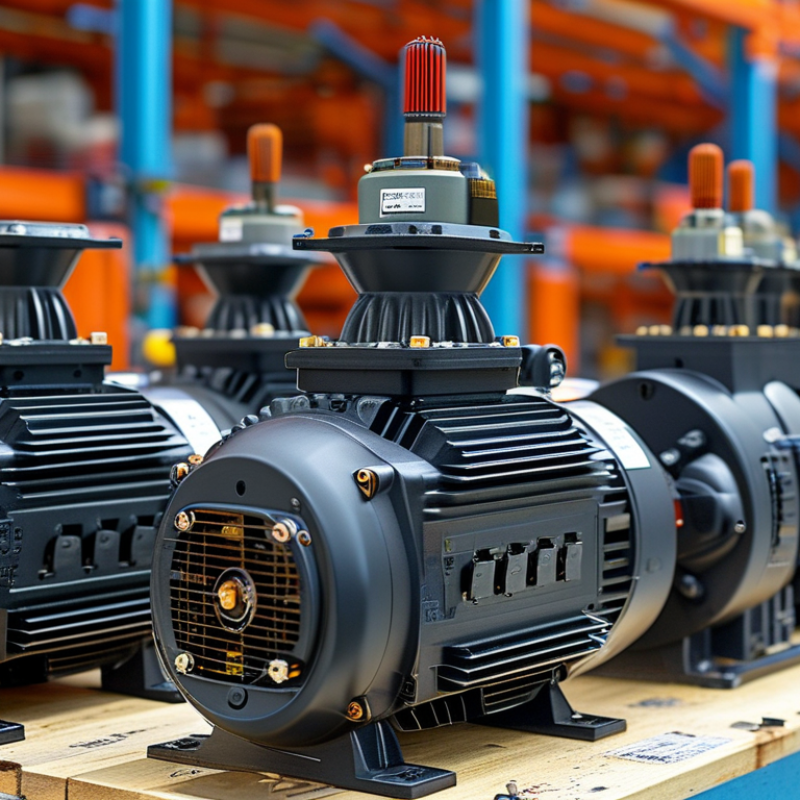
VFD soft starts have become crucial in many industries. These devices control the initial voltage during motor startups. According to a report by the International Energy Agency, around 40% of industrial motor energy can be wasted during startup phases. This makes soft starts vital for energy efficiency. Professionals should consider how soft starts can lead to significant energy savings, especially in large-scale operations.
Understanding key concepts behind VFD soft starts is essential. They reduce stress on electrical components, leading to longer equipment life. The Energy Efficiency in Electric Motors report highlights that proper use of soft starts can enhance motor durability by up to 30%. However, not all applications benefit equally. Some users find it challenging to select the right soft start for their needs.
The importance of effectively implementing VFD soft starts cannot be overstated. Additionally, installation may involve initial costs. Users often need to evaluate the trade-offs carefully. There are considerations, such as system compatibility. Overlooking these factors can lead to operational inefficiencies. Proper evaluation and expert recommendations ensure optimal performance in diverse settings.
VFD soft starts are crucial in various global applications. Understanding your specific needs is essential before selecting the right solution. Consider industries such as manufacturing, water treatment, and HVAC. Each of these sectors has unique challenges. For example, water treatment facilities require reliable starts to prevent water hammer and system shocks. On the other hand, HVAC systems need soft starts to enhance energy efficiency and reduce wear on components.
Selecting a Vfd Soft Start Supplier can be complex. You must evaluate features that address your industry’s requirements. Analyze their experience in your sector. Ask questions regarding their application knowledge. Look for suppliers who demonstrate both reliability and innovation. It’s not only about performance; it also involves ensuring compatibility with existing systems.
Think about the environment too. Will the VFD soft start operate in extreme temperatures or humid conditions? Reflecting on potential challenges in your location is important. You may discover that what works in one region may not be suitable in another. Therefore, thorough research is vital. Engaging with experienced suppliers who understand local conditions can offer significant advantages.
Choosing the right VFD soft start is crucial for optimizing motor performance. One important factor to consider is the load type. Different applications require specific motor control strategies. A heavy, fluctuating load may need more sophisticated controls. Conversely, a stable load can operate efficiently with basic settings. Understanding your application is key.
Installation environment matters too. Factors like temperature, humidity, and dust levels can influence the performance of your VFD soft start. It's essential to ensure that the device you choose is rated for your working conditions. Enclosures may be necessary in harsher environments. Reflecting on these needs can save you from complications later on.
Cost is often a deciding factor, yet it shouldn't be the only one. An inexpensive unit may lack features necessary for your specific requirements. Researching Vfd Soft Start Manufacturers can provide insights into quality and support options. Balance upfront costs with expected operational savings. Mistakes in this area can lead to increased maintenance. Always consider long-term implications.
The chart above illustrates the importance of various factors when selecting a VFD soft start for global needs. Key considerations include Efficiency, Cost, Compatibility, Control Features, and Support, with scores indicating their relative importance in decision-making.
When selecting a VFD soft start, understanding different types available is crucial. Each type has unique features tailored for specific applications. Motor control is fundamental, so efficiency is key. One popular type is the traditional VFD soft start, which aids in gentle acceleration. This minimizes mechanical stress on your equipment. However, these may not be energy-efficient for all applications.
Another notable option is the current-limiting Soft Starter. This type helps to manage inrush currents effectively. It can reduce the risk of premature failure in electrical components. While beneficial, it's important to assess whether your specific requirements align with its capabilities. Some users may find themselves wishing for more flexibility, especially in dynamic environments.
Lastly, the advanced intelligent soft starter offers tailored settings. These settings can enhance operational efficiency. However, the complexity may lead to potential user errors. If you consider these options, partnering with a reliable Vfd Soft Start Factory can provide valuable insights. Understanding your needs is essential. It involves evaluating your systems carefully and reflecting on past experiences.
Choosing the right VFD soft start for your global needs involves evaluating several key performance specifications. It is essential to understand how these devices operate under different loads. For instance, the current rating of the soft starter directly impacts its efficiency and reliability. When handling large motors, a higher current rating may be necessary to prevent overheating.
Moreover, consider the control features offered by Vfd Soft Start Factories. Some units come with built-in protection features, like overload and short circuit protection. These features enhance operational safety, yet they can also add to the complexity of the system. Users may find that balancing advanced functionalities with ease of use requires careful thought.
In addition, the environment where the soft starter will operate plays a crucial role in selection. Factors such as temperature, humidity, and dust levels can influence performance. Some devices may not perform well in harsh conditions, leading to premature failure. Understanding these specifications and their practical implications is vital for making informed choices.
| Parameter | Specification | Performance Metric |
|---|---|---|
| Voltage Rating | 230V, 460V, 690V | Suitable for a wide range of applications |
| Current Rating | 0.5A to 800A | Handles various load types |
| Soft Start Time | 0 to 60 seconds | Gradually ramps up voltage |
| Control Type | Voltage Control, Current Control | Optimized performance |
| Overload Capacity | 150% for 1 minute | Protects against temporary overloads |
| Efficiency | 95% efficiency | Lower energy costs |
| Environmental Rating | IP20 to IP66 | Suitable for various environments |
Integrating VFD soft starts into existing systems requires careful planning and consideration. Many industries utilize Variable Frequency Drives (VFDs) to control motor speed effectively. However, not all systems are designed for seamless integration. Upgrading a legacy system can present challenges. Engineers must assess compatibility during the selection process.
Take inventory of current components. It's crucial to evaluate how the new VFD soft start will interact with existing hardware. The integration shouldn't disrupt operational flow. For instance, older motors might respond differently to varying frequencies. Proper commissioning is essential to avoid operational setbacks. Designing a robust testing phase can help identify potential conflicts early on.
Documenting findings can provide a reference for future projects. Flexibility is vital when integrating new technology into existing frameworks. The approach should be iterative. Regular feedback from operators can enrich the integration process. Emphasizing safety during installation is non-negotiable. Every system has unique challenges, and acknowledging them is the first step toward a successful integration.
When considering VFD soft starts, cost is a critical factor. These devices vary widely in price, depending on capacity, features, and manufacturer. Carefully assess your specific needs before making a decision. A more expensive model may offer energy savings over time. However, cheaper options might lead to higher operational costs if they lack essential features.
Budgeting involves more than the initial purchase price. Installation and maintenance costs can add up. You may also need accessories or additional training for your staff. Always factor in potential downtime during installation. Unforeseen expenses can derail tight budgets, so it's wise to have a contingency fund allocated.
Look for models with warranties and support. This can influence long-term costs positively. Ensure you understand the total cost of ownership. Sometimes, investing more upfront can lead to lower overall expenses. Remember that choosing the right VFD soft start is a balance between immediate costs and long-term value. Don’t overlook the benefits of reliable vendors that offer ongoing support. Analysing all potential expenses helps create a well-rounded budget that meets global needs.
: You need to consider the load type and application requirements. Different loads require different motor control strategies.
Environmental factors like temperature and humidity can impact performance. Choosing a unit suitable for your conditions is essential.
While cost is significant, an inexpensive unit may lack necessary features. Researching quality and support options is crucial.
There are traditional VFD soft starts, current-limiting soft starters, and advanced intelligent soft starters, each suited for specific applications.
They provide gentle acceleration, minimizing mechanical stress on equipment. However, they may not be energy-efficient for every application.
They manage inrush currents effectively, reducing risks of electrical component failure. Still, evaluate if they meet your specific needs.
They offer tailored settings for efficiency but can introduce complexity that leads to potential user errors. Reflect on your skill level.
A higher current rating is necessary when handling large motors. It helps prevent overheating and ensures reliable performance.
Look for overload and short circuit protection. While enhancing safety, they may add operational complexity to the system.
Harsh conditions can lead to premature failure of some devices. Understanding environmental compatibility is vital for longevity.
The article "2026 How to Choose Vfd Soft Start for Your Global Needs?" provides a comprehensive guide to understanding VFD soft starts and their importance in various industrial applications. It highlights key concepts and outlines the global applications where VFD soft starts are essential, particularly in enhancing motor control and improving energy efficiency.
When selecting a VFD soft start, the article emphasizes crucial factors such as performance specifications, integration with existing systems, and cost considerations. By comparing different types of VFD soft starts available on the market, readers can make informed decisions tailored to their operational needs and budget constraints. This overview not only facilitates a better understanding of VFD soft starts but also assists in optimizing their implementation across diverse global scenarios.