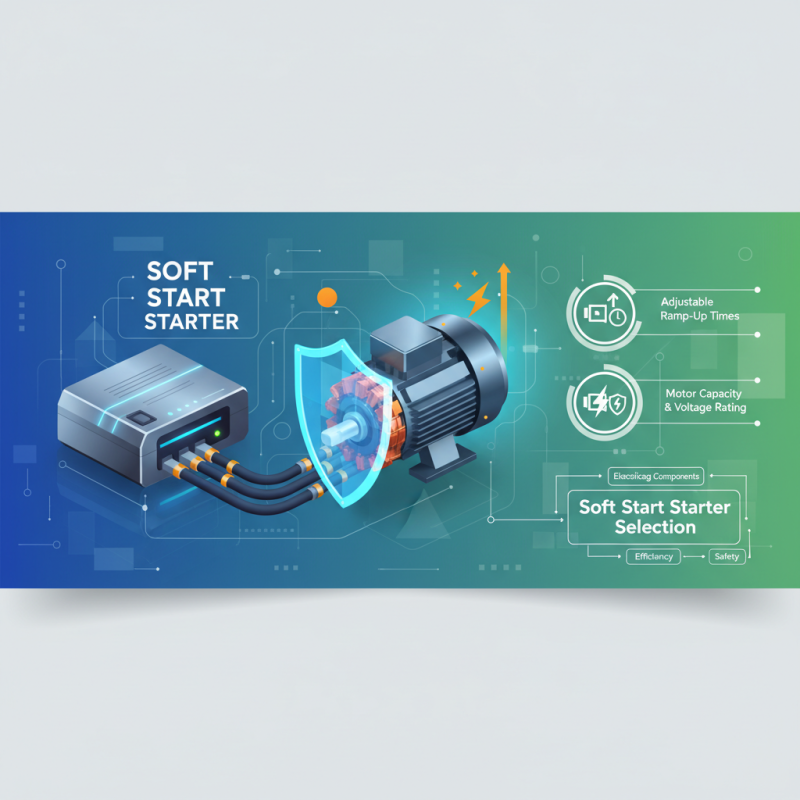
Starting any electrical project? Then you know how important it is to pick the right components—getting this part right can really make or break your setup. One device you'll hear a lot about is the Soft Start Starter. Honestly, it's a pretty clever piece of kit designed to handle that initial surge of current when a motor kicks on. It kinda acts like a gentle wake-up call, protecting both your motor and the entire electrical system. Trust me, choosing the best Soft Start Starter isn’t something to overlook — it can seriously boost your equipment’s performance and make it last way longer.
Now, I get it—figuring out which one to go for can seem overwhelming at first, but it’s worth taking the time to understand the different features and specs. Things like the motor's capacity, voltage ratings, and what your specific project needs are super important. Plus, different models come with features like adjustable ramp-up times or overload protection, which can really help optimize how smoothly everything runs. When you take a moment to consider all these bits and pieces, you'll set yourself up for more reliable, hassle-free operation—all while reducing the risk of damaging your gear. It might seem a bit much at first, but trust me, it pays off in the long run.
Understanding Soft Start Starters and Their Benefits
Soft start starters are vital components in electrical projects, particularly when dealing with large motors and machinery. These devices provide a gradual increase in voltage, allowing for a smoother ramp-up to full operational speed. By reducing the initial inrush current, soft start starters can significantly minimize wear and tear on both the motor and the connected equipment. According to a report by the National Electric Manufacturers Association (NEMA), Soft Starters can reduce the peak starting current by 30-50%, which not only enhances the longevity of electrical systems but also contributes to energy efficiency.
Understanding the benefits of soft start starters is crucial for optimizing performance. They can prevent mechanical shocks that may lead to premature failure and minimize disturbances in power supply for other connected devices. Studies indicate that equipment downtime can be reduced by up to 40% when proper soft start techniques are applied. Additionally, these starters can facilitate better system control and provide features such as overload protection and customizable acceleration times, making them suitable for a range of applications.
Tips for selecting the right soft start starter include assessing the specific motor size and application requirements, as different starters offer various control methods. It's also beneficial to consider energy savings, as many soft starters provide real-time feedback on power consumption. Lastly, ensure compatibility with existing automation systems to avoid installation issues and maximize performance efficiency.
Key Factors to Consider When Selecting a Soft Start Starter
When selecting a soft start starter for your electrical projects, there are several key factors to consider that can significantly influence the performance and efficiency of your system. One primary consideration is the motor capacity; the soft starter must be compatible with the motor's power rating, typically measured in horsepower (HP) or kilowatts (kW). According to industry reports, soft starters should ideally be rated between 20% and 30% higher than the motor's full-load current to ensure adequate performance under varying load conditions.
Another important aspect is the soft start's control features. Different applications may require varying degrees of acceleration control, so evaluating whether a starter can provide adjustable ramp-up and ramp-down times is crucial. A study conducted by the Electric Power Research Institute highlighted that the right soft start configuration can reduce energy consumption by up to 50% during startup, which not only saves energy but also minimizes stress on the electrical infrastructure.
Tips: Consider the environmental conditions where the soft starter will be installed. Factors like temperature range, humidity, and exposure to dust or chemicals can affect performance. If the application is in a harsh environment, look for starters with appropriate enclosures or protective features to enhance durability and longevity. Additionally, ensure that proper wiring and fusing align with the starter's specifications to guarantee safety and optimal operation.
Types of Soft Start Starters and Their Applications
When selecting the best soft start starter for your electrical projects, it is essential to understand the different types and their specific applications. Soft start starters primarily include resistive, reactive, and electronic soft starters. Each type serves distinct needs based on the motor's size, the mechanical load, and the required starting characteristics.
For instance, resistive starters are simple and cost-effective, ideal for smaller motors where voltage drop isn’t a concern. On the other hand, reactive soft starters utilize inductive components to manage inrush current, making them suitable for medium-sized motors that require a balanced torque during startup.
Electronic soft starters, however, are the most sophisticated, leveraging microprocessor technology to control voltage and current. They provide precise control over starting and stopping processes, making them ideal for large motors and applications requiring significant torque management, such as water pumps and compressors.
Additionally, their ability to provide diagnostic data makes them invaluable in preventing damage during operation. Choosing the right type of soft start starter involves evaluating the specific demands of your project and understanding how each starter type aligns with those needs.
Evaluating Power Requirements for Your Electrical Projects
When embarking on electrical projects, evaluating power requirements is crucial to ensure the optimal performance and safety of your systems. Begin by calculating the total load that your equipment will require. This involves understanding not only the running current but also the starting current, which can be significantly higher for some motors and devices. By considering these two factors, you can better assess the amperage capacity needed for your soft start starter, preventing potential overloads that could lead to equipment failure.
Another key aspect of evaluating power requirements is understanding the nature of the application. Whether it’s for a motor that requires a gradual ramp-up or a system sensitive to voltage fluctuations, these considerations affect the type of soft start starter needed. Additionally, factor in environmental conditions such as temperature and humidity, which can influence electrical performance. Careful analysis of these variables will guide you in selecting the best soft start starter tailored to the specific demands of your project, ensuring efficient operation and extended equipment life.
Installation and Configuration Tips for Soft Start Starters
When selecting a soft start starter for electrical projects, proper installation and configuration are critical to optimizing performance and ensuring safety. According to a report by the International Electrotechnical Commission (IEC), improper installation can lead to increased operational costs by up to 20% and can significantly decrease the lifespan of equipment. Therefore, understanding the specifications of the soft start unit, including voltage ratings and current capacities, is essential for aligning it with the motor requirements.
During installation, it’s essential to follow the manufacturer's guidelines closely, which typically include ensuring that the control circuits and power circuits are separated to avoid interference. Additionally, configuring the ramp-up time and initial torque settings is vital; research indicates that adjusting these parameters can minimize mechanical stress on the motor and reduce energy consumption by approximately 15-30%. Employing advanced configurations such as adjustable acceleration and deceleration settings not only enhances the start-up process but also provides smoother operation, leading to better overall system stability and reliability in demanding applications.
Common Challenges and Troubleshooting for Soft Start Starters
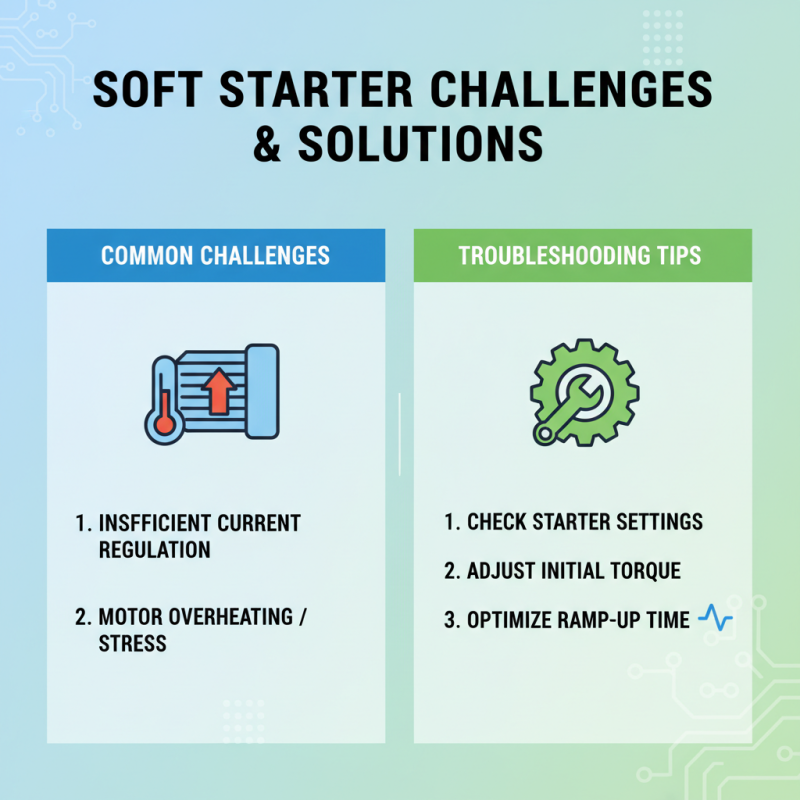
When working with soft start starters, several common challenges may arise that can hinder performance. One frequent issue is insufficient current regulation during startup, which can lead to motor overheating or mechanical stress. To troubleshoot this, it's essential to check the settings of the soft starter to ensure that the initial torque is appropriate for the motor and application. Adjusting the ramp-up time can also help mitigate sudden power surges that may occur during activation.
Another challenge involves diagnostics and fault detection. Many soft start devices come equipped with built-in indicators, but understanding these signals is crucial for effective troubleshooting. If the indicator lights show an error, consulting the user manual can provide insights into the specific problem, whether it’s related to overcurrent, phase loss, or insufficient voltage supply. Addressing wiring issues or verifying the power supply can often resolve these faults swiftly. Regular maintenance and system checks play a vital role in preventing these challenges, ensuring efficient operation throughout the project.
Maintaining and Testing Your Soft Start Starter for Longevity
Maintaining and testing your soft start starter is essential for ensuring its longevity and optimal performance in your electrical projects. Regular maintenance helps identify potential issues before they lead to more significant problems, minimizing downtime and repair costs. Start by inspecting the soft start for any visible signs of wear or damage. Check the connections for corrosion or loose wiring, as these can adversely affect performance. Cleaning the unit regularly can prevent buildup that might interfere with its functionality.
Tips: Schedule routine checks every few months, depending on usage. Use a multimeter to test voltage and current levels periodically, ensuring they align with the manufacturer's specifications. If you notice any irregularities, it's crucial to address them promptly to maintain the integrity of your electrical system. Additionally, maintain a record of your tests, as it helps in identifying trends over time and can be a reference for troubleshooting future issues.
Incorporating routine testing into your maintenance schedule not only safeguards your investment but also enhances the efficiency of your electrical systems. Perform functional tests to ensure the soft start is initiating and running properly under various load conditions. This proactive approach will help you extend the lifespan of the soft start starter, thereby contributing to the overall reliability of your electrical projects.
Maximizing Efficiency and Reliability with the LCR-VM Linglong Series Online Soft Starter Panel
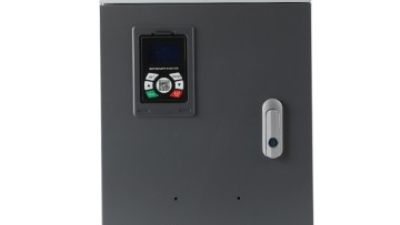
The LCR-VM Linglong Series Online Soft Starter Panel is designed to optimize performance and dependability in various industrial applications. Unlike traditional self-coupling step-down start boxes, the LCR-VM series offers enhanced cost-effectiveness and ease of use. With its straightforward installation process, the LCR-VM requires no extensive setup or debugging, enabling quicker deployment into operational environments. This facilitates a seamless integration into existing systems, significantly reducing downtime associated with conventional starter setups.
Furthermore, the LCR-VM series is engineered to operate without AC contactors, which not only minimizes the number of mechanical components but also reduces the overall failure rate associated with such systems. Reports indicate that components prone to mechanical fatigue can lead to inefficiencies and increased maintenance costs. Thus, the ability of the LCR-VM to sustain online operations over extended periods without failure greatly enhances reliability.
In addition, simple operational faults are readily addressable within the LCR-VM series’ design, allowing for self-correction capabilities that further bolster uptime and productivity. Industry data suggests that systems with integrated self-diagnostic features can reduce maintenance interventions by over 30%, contributing to improved operational efficiencies. As industries strive for enhanced reliability and reduced operational costs, the LCR-VM Linglong Series stands out as a forward-thinking solution that aligns with these core objectives.
FAQS
: The three primary types of soft start starters are resistive, reactive, and electronic soft starters, each serving distinct needs based on motor size and load requirements.
Resistive soft starters are best suited for smaller motors where voltage drop is not a concern due to their simplicity and cost-effectiveness.
Reactive soft starters utilize inductive components to manage inrush current, making them ideal for medium-sized motors that require balanced torque during startup.
Electronic soft starters leverage microprocessor technology to control voltage and current precisely, making them suitable for large motors and applications needing significant torque management.
Key installation tips include following manufacturer guidelines closely, ensuring separation of control and power circuits, and configuring ramp-up time and initial torque settings properly.
Adjusting these parameters can minimize mechanical stress on the motor and potentially reduce energy consumption by approximately 15-30%.
Improper installation can lead to increased operational costs by up to 20% and significantly decrease the lifespan of the equipment.
Advanced configurations, such as adjustable acceleration and deceleration settings, enhance the start-up process and improve overall system stability and reliability.
Diagnostic data from electronic soft starters can be invaluable in preventing damage during operation, allowing for better maintenance and operation oversight.
Conclusion
A Soft Start Starter is an essential device in electrical projects that aids in reducing the initial surge of current during the start-up of electric motors. Understanding the benefits of Soft Start Starters, such as minimizing mechanical stress and extending equipment lifespan, is crucial for effective project planning. When selecting a Soft Start Starter, key factors include the motor's power requirements, application type, and environmental conditions.
There are various types of Soft Start Starters available, each tailored for specific applications. Proper installation and configuration can optimize performance, while regular maintenance and testing help ensure longevity and reliability. Additionally, being aware of common challenges and having troubleshooting strategies in place will further enhance the effectiveness of a Soft Start Starter in your electrical projects.