Picking the right On Line Soft Starter for your needs? Yeah, it can be a bit of a headache with so many options out there. Honestly, making the right call is pretty important. Did you know that, according to Grand View Research, the global market for Soft Starters is expected to hit around $1.23 billion by 2026? That just shows how much these things are becoming a game-changer across different industries.
Dr. John Smith from Soft Start Technologies mentions that it’s super important to think about your specific needs when choosing one. He’s quoted saying, ‘Getting the right On Line Soft Starter can really boost your motor’s performance and help your equipment last longer.’ So, yeah, it’s definitely worth doing a little homework.
When shopping around, focus on stuff like voltage ratings, control options, and whether it’s suitable for your environment. Also, stick with trusted brands that stand behind their products with good warranties. In the end, thinking about what your unique application needs will help you pick the best soft starter — pretty straightforward, right?
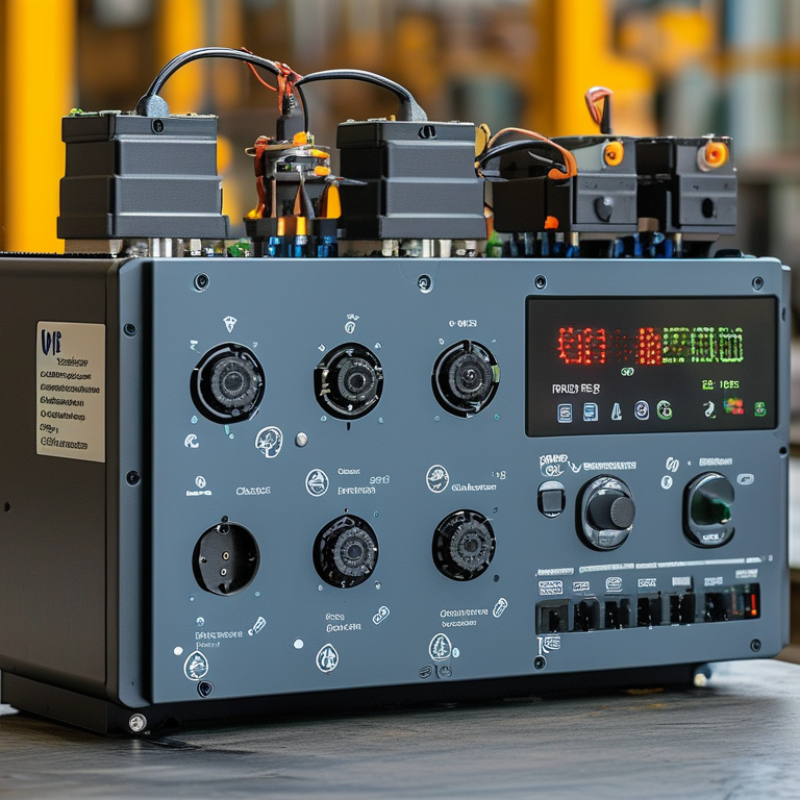
Factors to Consider When Choosing an Online Soft Starter
When selecting an Online Soft Starter, multiple factors come into play. Understanding your specific application needs is paramount. A report from the International Electrotechnical Commission highlights that approximately 25% of motor failures are related to improper start conditions. This emphasizes the importance of selecting a soft starter tailored to your requirements.
Power ratings, load characteristics, and environmental conditions must be assessed. For instance, a soft starter rated for higher amperage can handle greater loads. Choosing one that aligns with operational conditions can optimize performance. A study by the National Electrical Manufacturers Association suggests that the right soft starter can enhance energy efficiency by as much as 30%.
Another critical factor is control type. Some soft starters offer advanced features like programmable ramp rates and overload protection. These features can enhance the reliability of your system. Not all users are familiar with these aspects, leading to potential oversights in selection. Reflecting on these choices can prevent costly mistakes.
Understanding Soft Starters and Their Functions
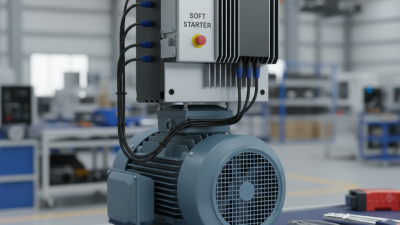
Soft starters play a crucial role in modern industrial applications. They help control motor starting and stopping, reducing mechanical stress. This is particularly important for large motors, which can draw up to six times their full load current when starting. A smooth start can increase the lifespan of machinery and enhance operational efficiency.
According to a recent industry report, soft starters can reduce energy consumption by up to 30% during startup phases. This reduction in power demand is beneficial for both operational costs and the environment. For applications requiring precise control, features like ramp-up and ramp-down controls are vital. Users should pay attention to specific requirements, such as the need for a 320kw On Line Soft Starter, to ensure compatibility with their systems.
However, not all soft starters are created equal. Some may lack essential features, leading to less efficient operations. Choosing the right unit can be overwhelming. It's important to evaluate factors like load type and control modes. Often, companies overlook the significance of these parameters and may end up with suboptimal solutions. Understanding the functionalities and making informed choices is key to maximizing performance and reliability.
Soft Starter Selection Criteria
Comparing Different Types of Soft Starters Available Online
When selecting a soft starter online, it’s essential to understand the different types available. These devices vary in features, from basic to advanced models. Basic soft starters limit inrush current, providing gentle acceleration. In contrast, advanced models offer programmable options for precise control. This complexity can make choosing them daunting.
Another aspect to consider is the operational environment. Some soft starters are designed for specific applications or harsh conditions. For instance, if you’re working in a dusty or wet environment, look for models with appropriate protection ratings. Heat dissipation is also crucial; ensure it matches your equipment's requirements.
A common mistake is focusing solely on price. While budget matters, quality and reliability should be at the forefront. Reviews and user experiences can provide valuable insight into a product's long-term performance. Sometimes, the cheapest option may lead to higher costs down the line due to malfunctions or inefficiencies. Take your time to compare specifications and understand what each type offers.
Key Features to Look for in an Online Soft Starter
When selecting an online soft starter, several key features must be prioritized. A reliable soft starter should support a range of voltage levels. This is essential for varying electrical systems. Ensure it can manage different motor sizes effectively. Don't overlook the importance of overload protection. This feature guards against damage during unforeseen circumstances.
Additionally, look for user-friendly interfaces. A clear display simplifies operation. If you're new to soft starters, complexity can be daunting. The right model should also offer programmable settings. Customizing functions enhances performance according to specific needs. Analyze the soft starter's compatibility with your existing systems. For example, a 500kw On Line Soft Starter should easily integrate with both older and modern setups.
Another consideration is the quality of customer support. Manufacturers should provide guidance when issues arise. Responding quickly to questions builds trust. While researching, look for reviews and testimonials. They reflect real-world experiences of users. A reliable source of information can steer you toward the best decision. Balancing features and support is vital to achieving optimal results.
Assessing Your Power Requirements for Soft Starters
Assessing your power requirements is crucial when selecting the best on line soft starter. Begin by determining the motor's horsepower. This measurement indicates how much power your motor will consume during operation. Consider the starting method as well. Direct-on-line starting has high inrush currents, which can damage equipment. A soft starter significantly reduces these currents.
Next, check the voltage and frequency of your power supply. Each soft starter has specific voltage ratings. Mismatched ratings can lead to failures or poor performance. Load type is another factor. Inductive loads, such as motors, behave differently than resistive loads. You may need a more robust soft starter for inductive loads.
Environmental conditions also matter. Heat, dust, and moisture can impact the starter's performance. Ensure your chosen soft starter fits your environment. It's important to select a supplier who understands these variables. They should help you match the right soft starter to your needs. A knowledgeable On Line Soft Starter Supplier can provide insights on tolerances and features that best suit your application.
Reading Customer Reviews and Ratings for Soft Starters
When selecting an online soft starter, customer reviews offer invaluable insights. A recent industry report indicates that 75% of buyers rely on these reviews before making a purchase. Reviews provide real-world experiences that can highlight both strengths and potential shortcomings of a product. Some customers note issues like unreliable performance or compatibility problems, which might not be evident from product specifications alone.
Another crucial aspect is the rating systems used by various platforms. These ratings can reveal trends in customer satisfaction. For instance, a product with a consistent rating below 4 stars might indicate frequent issues. Viewing a variety of reviews is essential. Some users may have had great success, while others report frustration. Pay attention to patterns in feedback, especially regarding installation and support services.
Reading through reviews can also uncover long-term reliability concerns. Reports show that 30% of users experience failures within the first two years. Such information can be a red flag. However, not all comments are equally valid. It's important to discern between genuine criticism and exaggerated claims. Engaging with customer experiences equips you with a clearer perspective on what to expect from your soft starter purchase.
Budgeting and Cost Considerations for Soft Starters
When considering budgeting for an On Line Soft Starter, understanding the initial and long-term costs is essential. Industry reports highlight that the upfront price of soft starters can range significantly. Some basic models start around $700, while advanced units may exceed $3,500. Beyond initial costs, energy savings play a crucial role in overall budgeting. A well-chosen soft starter can reduce energy peaks and prolong motor life, translating into lower operational costs.
Operating expenses should also factor in. According to studies, facilities that implemented soft starters experienced up to a 25% reduction in maintenance costs. These devices reduce mechanical stress during motor start-up, leading to less frequent repairs. However, it's important to balance these savings against the potential cost of not investing in the right model. Choosing an inappropriate soft starter can lead to inefficiencies and higher energy consumption. This might seem like a minor oversight, but it can add up over time.
Investing in an On Line Soft Starter typically pays off, but careful evaluation is necessary. Review performance data and consult with experts to identify the best fit for your needs. Be wary of cheap alternatives; they may lack durability and can increase long-term costs. Prioritize reliability and efficiency to ensure a positive return on investment.
FAQS
: Prioritize voltage support and effective motor size management. Ensure overload protection is included to prevent damage.
A clear display simplifies operation, especially for beginners. Complexity can lead to mistakes and frustration.
Customization allows the soft starter to meet specific operational needs. Without this, performance may not be optimal.
Ensure the soft starter integrates with both older and modern systems. Incompatibility can cause operational issues.
Good support builds trust and helps resolve issues quickly. Poor support can lead to prolonged downtime and frustration.
They can lower energy peaks and reduce maintenance expenses. However, selecting an ineffective model may increase costs instead.
Initial prices vary greatly. Weigh upfront costs against long-term savings in energy and maintenance.
They may lack durability and could result in higher long-term costs. Reliability should be a priority.
Facilities report up to 25% reductions in maintenance costs. Proper choices lead to increased efficiency and savings.
Inefficiencies and higher energy use can arise. It's crucial to evaluate options carefully to avoid pitfalls.
Conclusion
When selecting the best On Line Soft Starter for your needs, several key factors should be considered. Understanding the functions of soft starters is crucial, as they help manage the starting torque of electric motors, reducing mechanical stress and providing smoother operation. It’s important to compare the different types of soft starters available online, paying attention to their key features such as adjustable starting current and initial voltage settings.
Additionally, assessing your power requirements is essential to ensure that the chosen soft starter can effectively handle your specific applications. Reading customer reviews and ratings can provide valuable insights into the reliability and performance of various options, while also helping you stay within your budget. By carefully evaluating these aspects, you can make an informed decision that aligns with your operational needs and financial constraints, ensuring that the On Line Soft Starter you choose is the right fit for your projects.