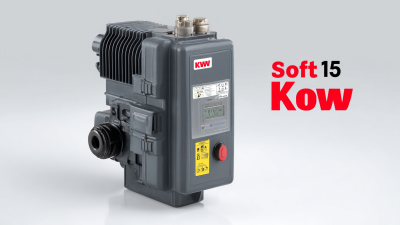
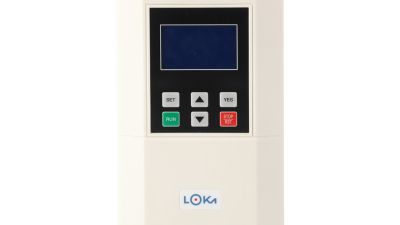
Picking the right Soft Starter 15kwfor your setup is pretty important. A solid Soft Starter can really help your equipment run smoother and last longer, saving you from a lot of headaches down the line. But honestly, choosing one isn’t always straightforward — with so many brands and models out there, it’s easy to feel overwhelmed. Not every option fits your specific needs, so it’s worth taking a moment to think things through.
Start by considering where and how you’ll be using it. Are you dealing with heavy machinery, or just lighter gear? Do you need any advanced features? Figuring out these details can make a big difference in narrowing down your choices. Sticking to trusted names like Siemens or Allen-Bradley can also be a smart move—they tend to offer good support and warranties.
And don’t forget to think about your particular requirements and potential pitfalls. Going for a budget-friendly model might seem tempting, but that could lead to hiccups later on. Make sure the Soft Starter 15kw you pick has the right features to match your project’s needs. Honestly, it’s worth taking your time and weighing your options—better to be thorough now than regret it later.
Understanding the Basics of 15kW Soft Starters in Electrical Systems
In electrical systems, a 15kw Soft Starter plays a crucial role in managing motor startup times and reducing inrush current. This significantly decreases mechanical stress on equipment and enhances longevity. According to industry reports, improper soft starter selection can lead to energy losses of up to 30%. Understanding the operational limits and electrical characteristics is vital for effective application.
Soft starters regulate voltage and current, preventing damage during start-up. They help achieve smoother acceleration and deceleration, providing optimal performance for various motors. It's essential to assess the specific requirements of your application. Many users overlook the fact that an oversized soft starter can create inefficiencies, while an undersized one risks overheating.
Moreover, factors like ambient temperature and load type are often underestimated during the selection process. Utilizing data from field tests can offer insights into the ideal product for your needs. Even with advanced technology, challenges persist in aligning specifications with real-world demands. Being aware of common pitfalls enhances decision-making, ensuring a more reliable electrical system.
Key Features to Look for in a 15kW Soft Starter Model
When selecting a 15kw Soft Starter, focus on essential features that match your specific needs. Look for units that provide reliable motor protection. This includes overcurrent, overload, and phase loss protection. Such capabilities ensure the longevity of your equipment and reduce the chances of unexpected failures.
Performance is crucial too. Check the soft starter's ability to handle various start options. A good model will offer different starting modes like “soft start” and “current limit”. This flexibility allows you to adapt to different applications. Additionally, an adjustable ramp-up time can help improve your system's efficiency.
Tip: Always verify the soft starter's thermal rating. This shows how much heat the unit can handle. Inadequate ratings can lead to premature failures.
Don't overlook ease of installation and use. The most effective 15kW soft starter should come with clear documentation. User-friendly interfaces can significantly reduce setup time and errors. If the instructions are complicated, it could lead to installation mistakes.
Tip: Consider the availability of technical support. It's important to have access to resources or professionals who can assist when issues arise. This support can save time and prevent costly downtimes.
Comparing Different Types of 15kW Soft Starters: Digital vs. Analog
When choosing between digital and analog 15kW soft starters, it's essential to have a clear understanding of their functionalities. Digital soft starters provide advanced features like programmable settings and real-time monitoring. These options allow for precise control over the motor’s starting and stopping sequences. In contrast, analog starters are generally simpler, offering basic control mechanisms. According to a recent industry report, over 70% of users prefer digital soft starters for their flexibility and integration capabilities with modern automation systems.
Cost-efficiency is another vital factor. Digital soft starters often come with higher initial costs but can save money over time due to their energy-efficiency. A study indicated that installations with digital soft starters reduced energy consumption by up to 20% compared to their analog counterparts. However, they may require specialized knowledge to install and operate effectively. This can pose challenges for teams unfamiliar with newer technologies.
Maintaining reliability is paramount in motor management. Digital soft starters are less prone to wear because they rely on electronic controls. Yet, analog versions can be more robust in harsh environments. Each type has its pros and cons. Consult a reputable Soft Starter 15kw Supplier to weigh your options based on your specific operational needs.
Evaluating the Efficiency Ratings and Performance Metrics of Soft Starters
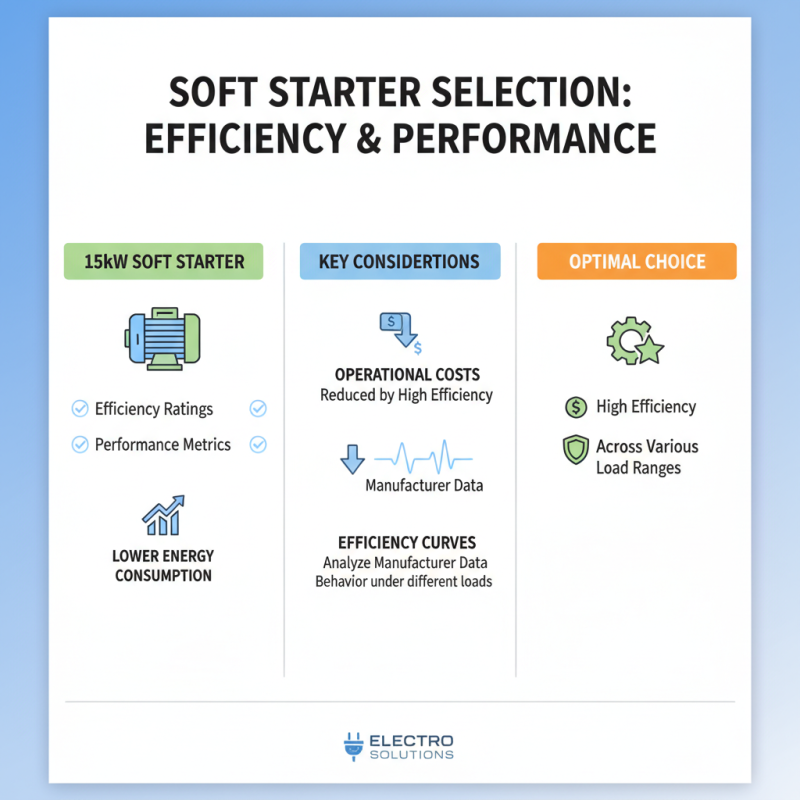
When selecting a 15kw soft starter, efficiency ratings and performance metrics are crucial. High efficiency means lower energy consumption. This aspect directly affects operational costs. You'll want to analyze the efficiency curves provided by manufacturers. These curves illustrate how the soft starter behaves under different load conditions. A good soft starter should maintain a high efficiency across various ranges.
Performance metrics encompass aspects like start-up time and torque control. Rapid start-up times can enhance system responsiveness. Torque control is vital in applications such as conveyors, where too much torque may cause mechanical stress. Look for soft starters with adjustable parameters, allowing customization according to your specific application needs.
Moreover, the heat generation during operation should not be overlooked. Excess heat can indicate inefficiency or potential failure. It's wise to consider models that include thermal protection features. These aspects ensure longevity and reliable performance. However, be cautious—some models may perform well in tests but not in real-world conditions. Always seek user reviews and independent assessments before finalizing your choice.
Installation Considerations for 15kW Soft Starters in Industrial Applications
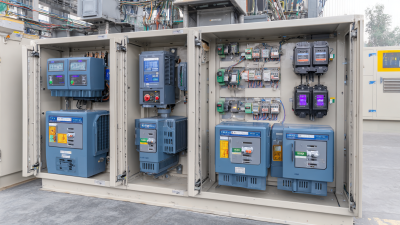
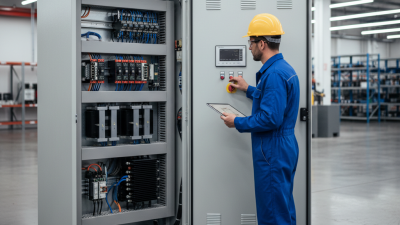
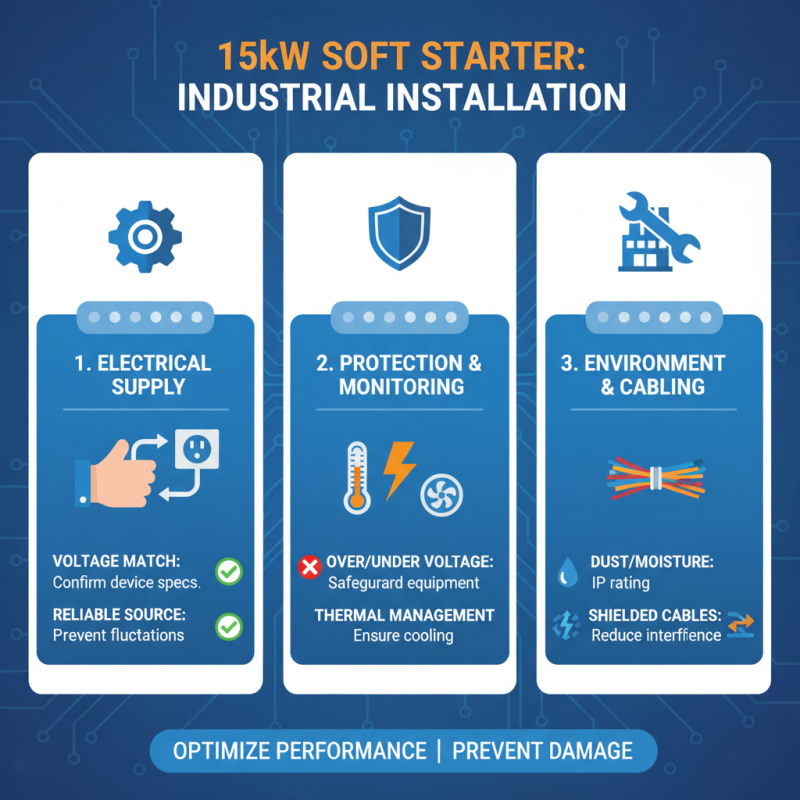
When installing a 15kW soft starter in an industrial setting, there are several critical considerations. Proper electrical supply is essential. Ensure that the voltage level matches the soft starter’s specifications. Overvoltage or undervoltage conditions can lead to performance issues or even damage. It's also vital to have a reliable power source, as fluctuations can disrupt operations.
Cooling and ventilation play an important role as well. Soft starters generate heat during operation. Adequate airflow must be ensured to prevent overheating. Consider the location of the installation. Placing the unit in a confined space without proper cooling measures could lead to significant malfunctions.
Wiring practices should not be overlooked. Use appropriate gauge wires to handle the load. Poor connections can cause voltage drops. Additionally, think about the control integration within your existing systems. Soft starters should harmonize with other equipment for seamless operations. Regular maintenance checks are necessary. Even the best equipment can fail without proper oversight.
Assessing the Cost-Effectiveness of 15kW Soft Starters Over Time
When considering a 15kW soft starter, it’s crucial to evaluate long-term cost-effectiveness. A quality soft starter reduces the mechanical stress on motors during startup, which can lead to extended equipment life. However, the initial purchase cost should not be the only factor. Energy savings and reduced maintenance expenses also play a pivotal role.
Investing in a reliable soft starter means your systems run smoothly, and downtime is minimized. This is particularly true when you choose a trusted Soft Starter 15kw Manufacturer. While the upfront cost might be higher, the benefits often outweigh these expenses. Regularly reassessing energy consumption can reveal significant savings over time.
Some might overlook the importance of warranties and after-sales support. This can be a mistake as it affects long-term reliability. Additionally, consider installation costs. Proper setup can enhance performance, yet improper installations may lead to costly errors. Always reflect on your specific needs and existing infrastructure. Each detail matters when aiming for efficiency and cost savings with your soft starter.
How to Choose the Best 15kw Soft Starter for Your Needs? - Assessing the Cost-Effectiveness of 15kW Soft Starters Over Time
| Feature | Option A | Option B | Option C |
| Price (USD) | $350 | $500 | $450 |
| Input Voltage (V) | 230V | 400V | 400V |
| Current Rating (A) | 65A | 80A | 75A |
| Efficiency Rating (%) | 95% | 90% | 92% |
| Warranty (years) | 2 | 3 | 2 |
Future Trends in Soft Starter Technology and Their Impact on Selection
As technology evolves, so does the world of soft starters. Upcoming trends indicate a shift towards more intelligent and energy-efficient designs. Enhanced features, like predictive maintenance and real-time monitoring, are becoming the norm. These advancements allow for better control over motor operations, reducing wear and tear. The experience gained from these innovations plays a crucial role in the selection of a soft starter, particularly for those seeking a Soft Starter 15kw Factory solution.
Integrated communication protocols are another feature trending in soft starters. Such protocols allow seamless integration with automation systems. Users can monitor performance metrics and receive alerts promptly. This can lead to better decision-making and operational efficiency. However, not every solution will fit your setup perfectly. Some may come with steep learning curves or compatibility issues. It’s essential to consider how these new technologies align with existing systems.
Understanding future trends helps in making informed choices. Selecting the right soft starter requires balancing advanced features with practical application. It is not only about efficiency but also about reliability in varying conditions. As you explore options, stay aware of how these advancements influence your selection. How will they benefit your specific needs? These reflections can guide you toward the best choice.
Understanding the Benefits and Features of the LCRV5-E Built-in Bypass Soft Starter for Efficient Motor Control
The LCRV5-E Built-in Bypass Soft Starter is designed to optimize motor control with its innovative features and benefits, primarily the integrated bypass contactor. This integration simplifies installation and wiring connections, making it a practical choice for various motor applications. The built-in bypass mechanism not only streamlines the setup process but also enhances operational efficiency, allowing for a more compact installation layout.
With advanced motor control capabilities, the LCRV5-E soft starter helps reduce inrush currents during startup, minimizing the mechanical stress on motors and extending their lifespan. This feature is crucial for industries where motor control is critical, ensuring smooth operation and energy savings. Additionally, the soft starter can improve system protection by preventing electrical faults and reducing the need for additional external components.
The ease of use and installation afforded by the LCRV5-E soft starter makes it an attractive option for engineers and technicians alike. By eliminating the complexity often associated with motor control devices, this soft starter provides not only performance advantages but also empowers users with a reliable solution that meets the demands of modern industrial applications. Its combination of efficiency, safety, and user-friendliness positions the LCRV5-E as a valuable tool for effective motor management.
FAQS
: Focus on motor protection features like overcurrent and overload safeguards.
Performance determines starting modes and adjustable ramp-up time. This enhances efficiency in various applications.
Verify the unit’s specifications to understand how much heat it can handle. Inadequate ratings can lead to failures.
Ensure clear documentation is provided. Complicated instructions may lead to mistakes during setup.
Access to expert assistance can save time and prevent costly downtimes when issues arise.
Digital starters offer advanced features, while analog ones provide basic controls. They cater to different needs.
Yes, they have higher initial costs but can reduce energy consumption significantly over time.
Specialized knowledge is often needed for installation and operation, posing challenges for inexperienced teams.
Digital starters are less prone to wear, while analog models may perform better in harsh conditions.
Consult a knowledgeable supplier to evaluate options based on your operational requirements.
Conclusion
Choosing the best Soft Starter 15kW for your needs involves understanding the fundamental roles these devices play in electrical systems. A good starting point is to familiarize yourself with key features such as control options, protection mechanisms, and compatibility with existing equipment. It's also essential to compare the various types available, especially the differences between digital and analog models, as they can impact both installation and operational efficiency.
Efficiency ratings and performance metrics should be thoroughly evaluated to ensure optimal energy consumption and reduced wear on motors. Considerations for installation in industrial settings are crucial to avoid future complications. Moreover, analyzing the long-term cost-effectiveness of Soft Starter 15kW models can lead to better investment decisions. Lastly, staying informed about future trends in soft starter technology will help you make more informed choices as these advancements evolve.