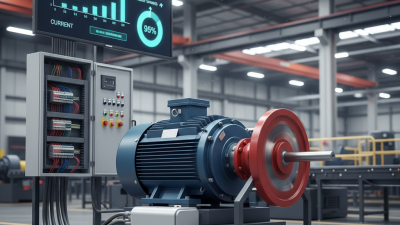
In today’s super busy industrial world, picking the right equipment for motor control isn’t something to take lightly. A lot of folks in the industry swear by Soft Starters. John Smith, who’s a top engineer at MotorTech Solutions, likes to say, "A Soft Starter doesn’t just boost motor performance—it also helps cut down on wear and tear." Honestly, that really hits home for industries looking to run more efficiently.
Soft Starters help motors get going smoothly and control acceleration without any jarring starts. This means less stress on the mechanical parts, which is sometimes something folks overlook. Sure, they might seem like a bigger upfront cost, but in the long run, they can save you a ton of money. Plus, they actually help motors last longer. Still, a lot of operators stick to the old-school methods, even if it risks unexpected breakdowns.
Many companies have seen a boost in reliability just by switching to Soft Starters. That said, picking the right one isn’t always straightforward. It’s really important to look at what each specific application needs because every motor has its own quirks. Taking the time to think it through before buying is key. Industry pros know they’ve gotta consider all these factors to get the best results. Finding the right fit — that’s really the trick to making the most of what Soft Starters can do.
Benefits of Using Soft Starters in Motor Control Applications
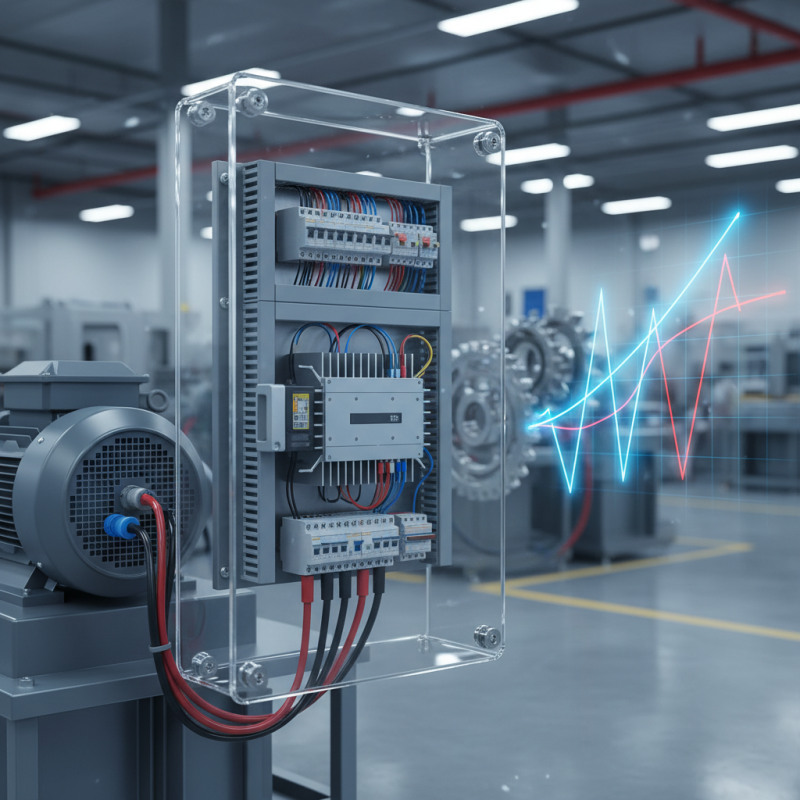
Soft starters have become increasingly popular in motor control applications. They offer several advantages that enhance operational efficiency and equipment longevity. One major benefit is the reduction of inrush current when starting a motor. This helps protect the motor windings and reduces stress on electrical components. In turn, it leads to lower maintenance costs and longer equipment life.
Another significant advantage is smooth motor acceleration. Soft starters provide controlled ramp-up speeds, which are essential in applications where sudden jolts can cause mechanical damage. For heavy machinery, this is a crucial feature. The gradual ramp-up also improves the overall system stability, thus potentially preventing unexpected downtimes.
However, it’s important to note that soft starters are not a one-size-fits-all solution. Some applications may require a different approach or additional features. For instance, in certain scenarios, a variable frequency drive (Vfd) might be more beneficial. It’s essential to evaluate the specific needs of each application thoroughly. Each choice has its own implications, and careful consideration will lead to the best outcomes.
Benefits of Using Soft Starters in Motor Control Applications
This bar chart illustrates the key benefits of using soft starters in motor control applications, rated on a scale of 1 to 10. The highest rating indicates significant advantages in reducing starting current, minimizing mechanical stress, extending motor life, and lowering energy consumption.
How Soft Starters Function to Control Motor Start-up
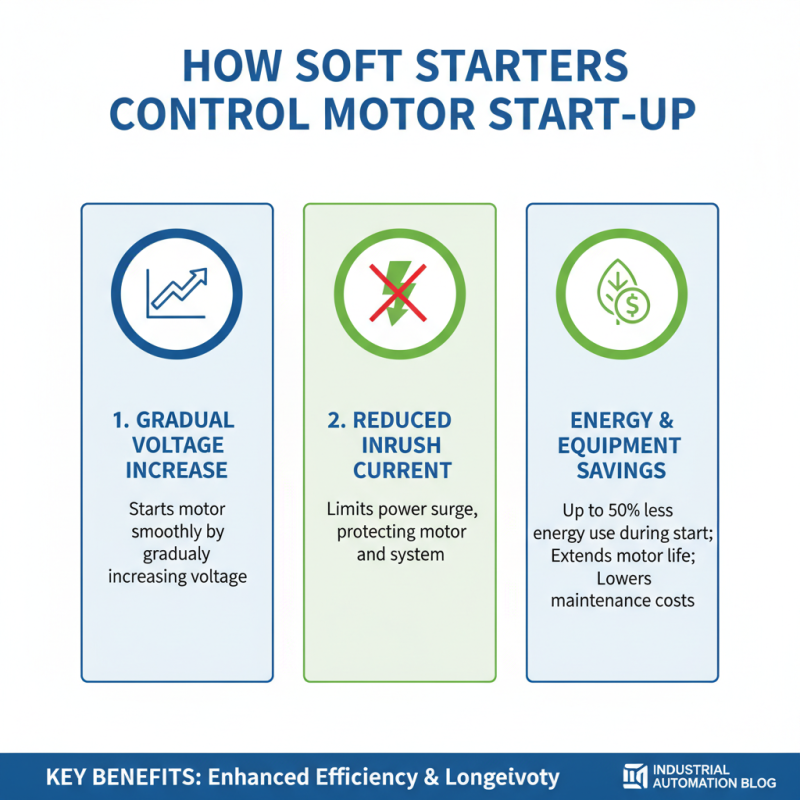
Choosing a soft starter for motor control needs offers numerous advantages. Soft starters regulate the start-up of motors by gradually increasing voltage, which reduces inrush current. According to industry reports, this method can cut energy consumption during start-up by up to 50%. A soft starter can also extend the life of motors and reduce maintenance costs significantly.
When it comes to how soft starters function, they utilize a series of solid-state switches to control voltage and current. This gradual ramp-up prevents mechanical stress on the motor and connected equipment. Reports have shown that using a soft starter can decrease wear and tear, minimizing the risk of unexpected downtime. For instance, the reduction in mechanical stress can lead to longer lifespan estimates, sometimes increasing motors’ operational longevity by over 30%.
**Tip:** Always consult with a motor specialist before selecting a soft starter. Different applications may require varying configurations.
Another aspect to consider is the initial cost versus long-term savings. While soft starters can be more expensive upfront, they often result in lower operational costs. Moreover, they can help avoid expensive repairs or replacements down the line. As a result, integrating a soft starter could be a strategic investment for facilities aiming for efficiency.
**Tip:** Regularly monitor the performance of your soft starter. This practice ensures optimal function and aids in identifying issues early.
Key Features of Soft Starters for Enhanced Motor Performance
Soft starters are essential for maximizing motor efficiency. They provide a controlled start, reducing mechanical stress. This feature minimizes wear on components, extending motor life. Users often overlook the significance of a gradual start, but it’s crucial for heavy machinery. Abrupt starts can lead to significant damage over time.
Another key feature is current limiting. Soft starters detect overload conditions and adapt. This adaptive response helps prevent motor overheating. Less heat means more reliable operation. It’s easy to see why many industries rely on this technology for motor control.
However, not every application may benefit equally from these devices. Some users report issues in environments with constant load fluctuations. It’s vital to evaluate specific needs before implementation. Given the balance of benefits and potential drawbacks, a careful assessment can guide optimal usage. Achieving peak motor performance involves continuous reflection and adjustment.
Comparison of Soft Starters and Traditional Motor Starters
When comparing soft starters and traditional motor starters, it's essential to highlight their key differences. Soft starters offer gradual motor acceleration, reducing inrush current by up to 60%. This feature is crucial, as high inrush currents can damage motor windings and associated electrical equipment. In contrast, traditional starters often engage motors abruptly, which can lead to mechanical strain and shortened equipment lifespan.
Another aspect to consider is energy efficiency. Research shows that soft starters can lower energy consumption by approximately 30% during startup phases. This reduction not only benefits operational costs but also minimizes strain on power supply systems. Soft Start Starters also provide better control over starting torque, making them ideal for applications where mechanical stress needs to be managed carefully.
**Tip:** When selecting a soft starter, assess the motor's power rating and the specific startup requirements to ensure optimal performance.
Cost is a common concern. While soft starters might have a higher initial cost, their longevity and efficiency can deliver a better return on investment. In some applications, users have reported ROI within two years due to decreased maintenance.
**Tip:** Keep an eye on your operational data. Regular monitoring can highlight potential areas for improvement with your Soft Start Starter setup.
Applications of Soft Starters in Various Industries
Soft starters play a vital role in motor control across diverse industries. They help reduce the inrush current during startup, minimizing mechanical stress on equipment. With the increasing reliance on efficient motor operations, more sectors are adopting soft starters to enhance system reliability.
In manufacturing, soft starters offer smoother operation for conveyors and mixers. They provide precise control, reducing wear and tear. In HVAC systems, using an Automatic Soft Starter ensures gradual ramp-up of compressor motors, preventing overheating. This is especially crucial in settings like hospitals or data centers, where equipment reliability is non-negotiable.
Moreover, soft starters find applications in water treatment plants. Using these devices prevents sudden jolts in pumps, promoting longer lifespan and lower maintenance costs. However, some facilities may overlook the benefits of soft starters. This oversight can lead to increased downtime and repair expenses. Reflecting on their value in industry-specific scenarios may open new avenues for operational efficiency.
Why Choose a Soft Starter for Your Motor Control Needs? - Applications of Soft Starters in Various Industries
| Industry | Application | Benefits of Soft Starters |
| Manufacturing | Conveyor Systems | Reduced inrush current, improved load management |
| HVAC | Fan and Pump Control | Less mechanical stress, energy savings |
| Mining | Crusher Equipment | Enhanced performance, reduced maintenance costs |
| Food & Beverage | Mixers and Blenders | Smoother start-up, consistent mixing quality |
| Water Treatment | Pumping Stations | Improved reliability, reduced hydraulic shock |
Factors to Consider When Selecting a Soft Starter
When selecting a soft starter for motor control, several critical factors come into play. First, consider the motor's characteristics. The motor's power rating and type are essential. A larger motor may require a more robust soft starter to ensure optimal performance. Studies show that improperly sized soft starters can lead to failures, increasing operational costs by as much as 20%.
Another factor is the application environment. Harsh environments, such as those with high humidity or dust, demand durable soft starters. They must withstand varying conditions while ensuring reliability. Interestingly, reports indicate that soft starters with a built-in Bypass Soft Starter function can significantly reduce energy consumption during idle periods. This feature enhances efficiency and prolongs the lifespan of the motor.
Lastly, assess the control features required for your specific application. Advanced soft starters provide customizable settings and fault detection. However, balancing sophistication and usability is crucial. Complex features may lead to technical difficulties if staff are not adequately trained. The right selection of a soft starter considering these factors can ensure smoother operations and greater efficiency for your motor control needs.
Maintenance and Troubleshooting for Soft Starters in Motor Systems
In motor control systems, soft starters play a critical role in managing startup currents. However, maintenance and troubleshooting can often be overlooked. Regular inspections are essential to ensure soft starters operate smoothly. Checking connections and terminals for signs of wear can prevent larger issues down the line. Attention to detail in these areas can save time and costs later.
When dealing with a Built-In Bypass Soft Starter, users should be mindful of possible heat buildup. Inadequate ventilation may lead to overheating. This could result in device failure. Performing routine checks on cooling fans and filters can mitigate this risk. Moreover, software diagnostics available in many soft starters can provide real-time data. Understanding these indicators helps pinpoint problems before they escalate.
Effective troubleshooting often requires a systematic approach. Start by examining error codes displayed on the device. These codes provide clues about underlying issues. Sometimes, issues can stem from external factors like supply voltage fluctuations. Another common oversight involves loose wiring connections. Sometimes, the simplest fixes yield the most significant improvements. Keeping a detailed log of maintenance activities can encourage more methodical troubleshooting.
Assessing the Impact of LCR-VM Linglong Series Online Soft Starter Panel on Motor Efficiency: Insights from Industry Reports
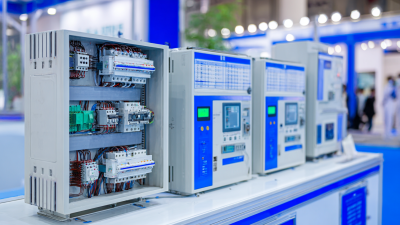
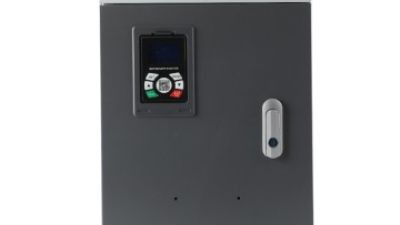
The LCR-VM Linglong Series Soft Starter Panel has emerged as a game-changer in enhancing motor efficiency across various industries. Unlike traditional self-coupling step-down start boxes, the LCR-VM series boasts a high cost-performance ratio, requiring no complex debugging prior to installation. This feature allows for straightforward installation and immediate use, significantly reducing downtime during the setup phase and leading to increased productivity right from the start.
Additionally, the LCR-VM series soft starter panel is designed to minimize operational failures. Its user-friendly design enables self-diagnosis and rectification of simple faults, ensuring that the control cabinet can operate online continuously. Furthermore, this system eliminates the need for AC contactors, which typically require maintenance and can contribute to higher failure rates. By streamlining the motor starting process and reducing reliance on additional components, industries can experience a dramatic improvement in motor efficiency, leading to enhanced operational performance and cost savings in the long run.
FAQS
: Soft starters control the starting process of motors, reducing mechanical stress and extending motor life.
A gradual start minimizes wear on components, preventing significant damage over time.
They detect overload conditions and adapt to limit current, which reduces heat buildup.
No, some applications with constant load fluctuations may not see benefits and need careful evaluation.
Regular inspections of connections and terminals are crucial to prevent larger issues.
Inadequate ventilation can cause overheating, so routine checks on cooling fans are important.
They provide real-time data, assisting in identifying problems before they escalate.
Loose wiring connections can often lead to operational problems; fixing them can yield significant improvements.
Start by examining error codes displayed; they offer clues about underlying issues.
A detailed log encourages methodical troubleshooting and helps track recurring problems.
Conclusion
A soft starter is an essential device for controlling motor start-up, providing numerous benefits in motor control applications. By gradually ramping up the motor voltage, soft starters reduce inrush current, which minimizes mechanical stress and enhances the lifespan of the motor and connected systems. This controlled approach not only improves energy efficiency but also provides smoother acceleration, making it a preferred choice over traditional motor starters.
Key features of soft starters include advanced control options, integrated protection mechanisms, and customizable settings that optimize motor performance across various industries. When selecting a soft starter, factors such as application requirements, load types, and environmental conditions should be considered. Proper maintenance and troubleshooting practices ensure prolonged functionality and reliability of soft starters in motor systems, underscoring their pivotal role in modern motor control solutions.