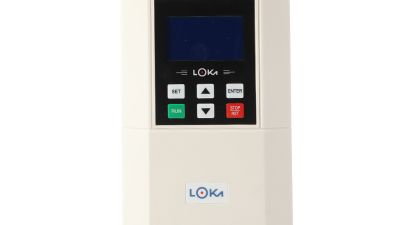
In the world of electrical engineering, Soft Starters are pretty crucial when it comes to controlling motors. Paul Anderson, who's well-known at Voltage Solutions, often says, “Efficient motor management really starts with reliable Soft Starters.” That just goes to show how important it is to pick the right components if you want things to run smoothly.
Soft Starters are a must-have, especially if you're trying to cut down on the big surge of current when you first start a motor. They give a gentle ramp-up, which helps reduce stress on all the electrical parts. But here’s the thing—not all Soft Starters are the same. It can be kinda tricky figuring out which ones are actually the best because there’s a ton of options out there, and their quality can really vary.
Finding the top-quality Soft Starters is super important if you want your project to succeed. Things like power ratings, whether they’re compatible with your system, and their features all matter. Even folks with a lot of experience sometimes overlook some of these little details, which can impact how well the system performs. The more you know about these little differences, the better decisions you can make—and that means smoother operation all around.
Top 10 Factors to Consider When Choosing Soft Starters in China
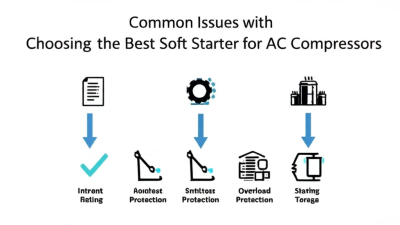
When selecting soft starters for electrical needs, several factors come into play. The first consideration is the voltage rating. Know the voltage requirements of your application to ensure compatibility. Another important aspect is the current capacity. Assess the maximum inrush current your motors generate to determine the right size.
Efficiency is crucial. An efficient soft starter reduces energy loss and lowers operational costs. Look for models with advanced features like programmable settings. These can augment performance and tailor usage to specific applications.
Tips: Always review product specifications and user manuals. They offer insights into installation and operational considerations. Don't hesitate to consult industry experts if needed. Consider asking users for feedback on performance.
Lastly, installation ease matters. Complex setups can lead to delays and increased costs. A good soft starter should integrate smoothly with existing systems, like Variable Speed Drives And Soft Starters. Reflect on these factors before making a decision. Your choice impacts system reliability and efficiency.
Overview of Soft Starters: Functionality and Application in Electrical Systems
Soft starters are crucial for controlling the inrush current in electrical systems. They allow motors to start gradually, reducing mechanical stress and extending their life. In industrial settings, these devices enhance efficiency and prevent equipment damage. Understanding their functionality helps in selecting the right soft starter for specific applications.
The application of soft starters spans various domains, including pumps, fans, and conveyors. They regulate acceleration and deceleration, ensuring smooth operation. For instance, a pump without a soft starter can face abrupt starts that lead to water hammer and system damage. Ensuring compatibility with your electrical setup is essential for optimal performance.
Tips for choosing a soft starter include checking current ratings and voltage levels. Always consider the specific load characteristics of your motor. While popular options exist, not all soft starters fit every need. It’s important to evaluate the unique demands of your application. Test the starter in real conditions before finalizing your choice. Remember, the wrong selection can lead to inefficiencies and increased costs.
Market Trends: Growth and Demand for Soft Starters in China’s Electrical Industry
The electrical industry in China is witnessing a significant surge in demand for soft starters. According to a recent market report, the soft starter market is expected to grow by 10% annually over the next five years. This growth is driven by the need for energy efficiency and the increasing use of electric motors in various applications.
The rise in manufacturing activities and urbanization in China also contribute to this trend. Soft starters play a critical role in preventing motor damage during start-up. Their ability to reduce inrush current leads to less wear and tear on electrical components. This factor makes them increasingly attractive to manufacturers and engineers. Moreover, with the push towards sustainability, companies are seeking reliable Soft Starters Suppliers to meet their technical needs.
However, challenges remain. The rapid growth of the market can lead to oversupply and price fluctuations. Many suppliers may struggle to keep up with quality standards as they scale production. This dynamic can create uncertainty about product reliability in the long term. As companies navigate these challenges, they must carefully evaluate their needs when selecting a soft starter provider. Balancing performance with cost-effective solutions will be critical for continued success in this evolving landscape.
Top 10 China Wholesale Soft Starters for Your Electrical Needs
| Rank | Model Type | Voltage Rating (V) | Current Rating (A) | Control Type | Features | Approx. Price (USD) |
| 1 | Digital Soft Starter | 380 | 150 | Microprocessor | Built-in PID Control | $200 |
| 2 | Analog Soft Starter | 220 | 100 | Analog Control | Torque Control | $150 |
| 3 | Compact Soft Starter | 400 | 75 | Digital Control | Space Saving Design | $180 |
| 4 | Heavy Duty Soft Starter | 460 | 200 | Microprocessor | High Starting Torque | $250 |
| 5 | Plug-and-Play Soft Starter | 380 | 60 | Digital Control | User-friendly Interface | $130 |
| 6 | Smart Soft Starter | 520 | 120 | Microprocessor | Remote Monitoring | $300 |
| 7 | Standard Soft Starter | 380 | 80 | Analog Control | Cost-effective Solution | $100 |
| 8 | Premium Soft Starter | 440 | 140 | Microprocessor | Superior Performance | $310 |
| 9 | Mini Soft Starter | 230 | 30 | Digital Control | Compact and Light | $90 |
| 10 | Industrial Soft Starter | 600 | 300 | Advanced Digital | Heavy Load Support | $420 |
Comparative Analysis: Leading Chinese Manufacturers of Soft Starters
When exploring the landscape of soft starters in China, several manufacturers emerge as leaders. These companies produce equipment crucial for controlling the start-up of electric motors. Their offerings reduce energy spikes and enhance operational efficiency. Understanding their strengths helps buyers make informed decisions.
One key characteristic of top Soft Starters Manufacturers is their innovation. They invest heavily in R&D, which leads to smarter products. However, not all manufacturers prioritize reliability and customer support, which can be problematic. Some devices may face quality control issues. Buyers should consider user feedback and warranty terms carefully.
Another aspect to note is compatibility. While many soft starters work with various motor types, some may face limitations. It’s vital to align the product specifications with your needs. The diversity in product quality further complicates the selection process. Engaging with customer reviews can provide insights into real-world performance. This helps identify which manufacturers maintain consistent quality, an essential factor for long-term investments.
Key Specifications: Voltage Ratings and Current Capacities of Soft Starters
When selecting soft starters for electrical applications, voltage ratings and current capacities are critical specifications to consider. Voltage ratings typically range from low voltage levels, such as 230V, to medium voltages up to 690V. Choosing the right voltage is essential. An inadequate rating can lead to overheating or equipment failure.
Current capacities vary widely among soft starters. Some units handle lower currents, around 10A, while others can manage more than 400A. It's vital to match current capacity with your motor's requirements. Overrating can waste energy, whereas underrating can cause failures. Investigating the specifics of your operation aids in a more effective choice.
Not all units display clear ratings. Sometimes the provided data can be confusing or incomplete. This uncertainty demands thorough research. Seek out user reviews and expert insights to inform your decision. Your installation may have unique needs that standard specifications do not accommodate. Building a clear understanding of these details equips you to make informed choices that enhance your electrical performance.
Case Studies: Real-World Applications of Soft Starters in Industrial Settings
Soft starters are essential for reducing the inrush current in industrial motors. Many factories use them to enhance efficiency. A textile factory recently implemented soft starters to manage the operation of large spinning machines. This choice led to a significant reduction in mechanical stress. The results included decreased maintenance costs and extended equipment lifespan.
Another case involved a water treatment facility. The facility faced issues with pump starts, leading to shock waves in the system. By employing soft starters, the facility stabilized the pump operation. This adjustment minimized water hammer effects. As a result, the overall reliability increased, and downtime was reduced.
In a food processing plant, the production line faced delays due to motor failures. The decision to integrate soft starters proved beneficial. While it addressed the immediate challenges, some operators noted inconsistencies in start times. Thus, continuous monitoring became essential. Such reflections ensured optimal performance and reinforced the importance of tailored solutions for different applications.
Regulatory Standards: Compliance and Safety in Electrical Soft Starters
When selecting electrical soft starters, compliance with regulatory standards is crucial. These devices are designed to manage electrical loads and protect electrical systems. Ensuring that they meet safety and quality guidelines helps prevent failures and hazards. Soft starters must adhere to local and international standards, often requiring certification from recognized authorities.
The role of a Soft Starters Factory is vital in this context. Factories must implement rigorous quality control processes. They should constantly evaluate their production lines to meet compliance regulations. This not only ensures product integrity but also enhances customer trust. Failure to comply can lead to severe consequences, including equipment damage or fires.
Choosing the right soft starter demands careful consideration of these standards. Many manufacturers claim to adhere to safety guidelines, yet discrepancies can arise. Customers must verify claims through documentation. Regular audits and inspections of soft starters can help identify potential issues early. Ultimately, making informed decisions based on compliance will create safer electrical environments.
Maximizing Efficiency and Reliability: Insights from Industry Reports on the LCRV5-C Series Online Soft Starter's Performance
The LCRV5-C Series Online Soft Starter exemplifies innovation and efficiency in motor control technology. As industries increasingly demand enhanced performance from their equipment, the LCRV5-C has gained recognition due to its ability to streamline operations while minimizing energy consumption. According to recent industry reports, the adoption of motor soft starters like the LCRV5-C can reduce energy usage by up to 30% during motor startup, leading to significant cost savings over time.
Furthermore, the reliability of soft starters directly correlates with reduced maintenance costs and downtime in industrial applications. Data suggests that facilities utilizing online soft starters can experience up to a 50% decrease in motor-related failures. This is particularly important in settings where equipment reliability is crucial for sustaining production rates. The LCRV5-C, with its advanced features, not only ensures a smooth start-up process but also enhances motor lifespan through controlled acceleration and deceleration.
In conclusion, the LCRV5-C is positioned as a vital solution in optimizing operational efficiency and reliability. As industries continue to leverage technology for better performance, products like the LCRV5-C will play a pivotal role in shaping the future of motor management. With its proven benefits supported by industry data, the LCRV5-C represents a strategic investment for businesses looking to enhance their operational capabilities.
FAQS
: Voltage rating and current capacity are essential. Efficiency and installation ease also matter significantly.
The voltage rating ensures compatibility with your application. An inadequate rating can lead to overheating.
Evaluate the maximum inrush current of your motors. Match the soft starter's capacity to these requirements.
Efficient models reduce energy loss and lower operational costs. They enhance overall system performance.
Complex setups can lead to delays and added costs. A smooth integration with existing systems is preferred.
Review documentation and certifications. Regular audits help identify any compliance issues.
Seek user reviews and expert insights. Researching details can clarify your decisions.
Programmable settings allow customization for specific applications. This can enhance efficiency and effectiveness.
An improper choice can lead to equipment damage, failures, or increased operational risks.
Yes, consulting experts can provide valuable insights. They can guide you in selecting the right soft starter.
Conclusion
The article "Top 10 China Wholesale Soft Starters for Your Electrical Needs" provides a comprehensive overview of essential factors to consider when selecting soft starters for electrical applications in China. It discusses the functionality and significance of soft starters within electrical systems, highlighting their role in enhancing operational efficiency and reducing wear on motors. Additionally, the article explores current market trends that indicate a growing demand for soft starters in China's electrical industry.
A comparative analysis of leading Chinese manufacturers reveals key specifications such as voltage ratings and current capacities crucial for making informed choices. Through case studies, the article illustrates real-world applications of soft starters in various industrial settings, demonstrating their effectiveness and reliability. Finally, it emphasizes the importance of adhering to regulatory standards to ensure the compliance and safety of electrical soft starters, making this guide an invaluable resource for anyone looking to invest in this technology.