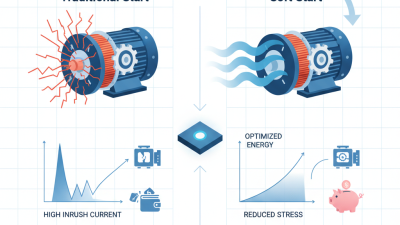
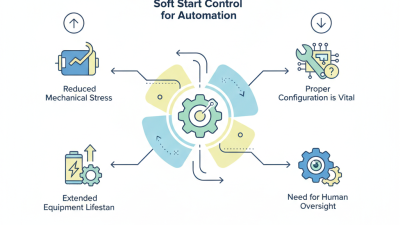
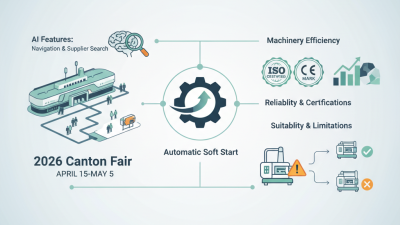
As the world shifts toward more efficient machinery, the spotlight on solutions like Auto Soft Start has really grown. These systems do a great job of gradually ramping up motor speed, which not only cuts down on mechanical stress but also helps extend the life of your equipment. You’ve probably heard of companies like Jiangsu Huachang and Shenzhen Zhineng—they’re really stepping up as major players, offering innovative products that work well across a bunch of different applications.
That said, trying to find the best solution isn’t always straightforward. A lot of buyers struggle with this tug-of-war between getting quality and keeping costs reasonable. Some manufacturers might have fancy tech, but that doesn’t always mean they’ve got a proven record or reliable service behind them. It’s super important to look into their experience and check out customer reviews—trust me, reliability is everything here. After all, the performance of an "Auto Soft Start" system directly impacts how smoothly your operations run.
Shopping around in China can be a smart move and bring some real perks, but it’s not without its gotchas. Standards can vary a lot between different manufacturers, so it pays to be a bit cautious. Do your homework—research and verify suppliers thoroughly. Taking a careful approach means you’re more likely to pick a trustworthy provider who offers solutions tailored to your needs, and who’s committed to quality and performance. In the end, it’s all about making smart choices that will serve you well down the line.
China's Market Share in Global Auto Soft Start Solutions Industry
China has emerged as a key player in the global auto soft start solutions market. Its market share continues to grow due to various factors. The country benefits from advanced manufacturing technology and a skilled workforce. These elements make China a competitive Auto Soft Start Supplier globally. However, challenges remain in meeting international standards and diversifying product offerings.
The demand for efficient and reliable auto soft start solutions is increasing, especially in emerging markets. Many buyers seek cost-effective alternatives without sacrificing quality. China's auto soft start solutions often provide just that. Yet, some products may lack the robust features needed for long-term performance. Buyers must navigate through a variety of options to find reliable suppliers.
Additionally, understanding regulations and compliance is crucial for global buyers. It can be daunting to ensure that products meet local standards. Not all manufacturers in China are fully compliant, which can lead to potential issues. Buyers should prioritize working with reputable suppliers who demonstrate transparency and a commitment to quality. Examining reviews and credentials can help mitigate risks and enhance trust in sourcing decisions.
Key Players in China's Auto Soft Start Solutions Market
China's auto soft start solutions market is thriving, drawing attention from global buyers. Companies in this space focus on manufacturing reliable and efficient products. These solutions are essential for various applications, including motors and industrial equipment. Key players range from startups to established entities, each contributing unique innovations.
In this competitive landscape, understanding product performance is crucial. Buyers should consider energy efficiency and durability. Many manufacturers are integrating smart technology into their designs. This adds functionality, but it also raises complexity. Engaging with an experienced Auto Soft Start Manufacturer can ensure you navigate these options effectively.
Tips for choosing the right solution include assessing your application needs and comparing specifications diligently. Acknowledge the trade-offs in price versus performance. Some providers may offer low-cost options that lack reliability. Always request performance data to make informed choices. This will help you avoid costly mistakes down the line.
Technical Specifications of Auto Soft Start Solutions in China
China offers a range of auto soft start solutions that cater to global buyers' needs. These solutions are designed to enhance the efficiency and longevity of electric motors. The technical specifications show a focus on voltage control, current limiting, and startup time adjustments. These features help in reducing mechanical stress during startup, ultimately extending the life of equipment.
The Soft Start Devices commonly support various voltage ratings, typically ranging from220V to 690V. They often include programmable settings for different applications. However, not all options guarantee performance under every condition. Buyers may need to perform due diligence in assessing compatibility with existing systems. Important aspects like ambient temperature ratings and environmental certifications can significantly affect performance.
In terms of reliability, testing and quality assurance play a crucial role. It’s vital to understand that even the best solutions may face challenges in high-demand situations. Additionally, some buyers report a steep learning curve when integrating these devices into older systems. Recognizing these limitations is essential. A careful evaluation of specific requirements is necessary for optimal outcomes.
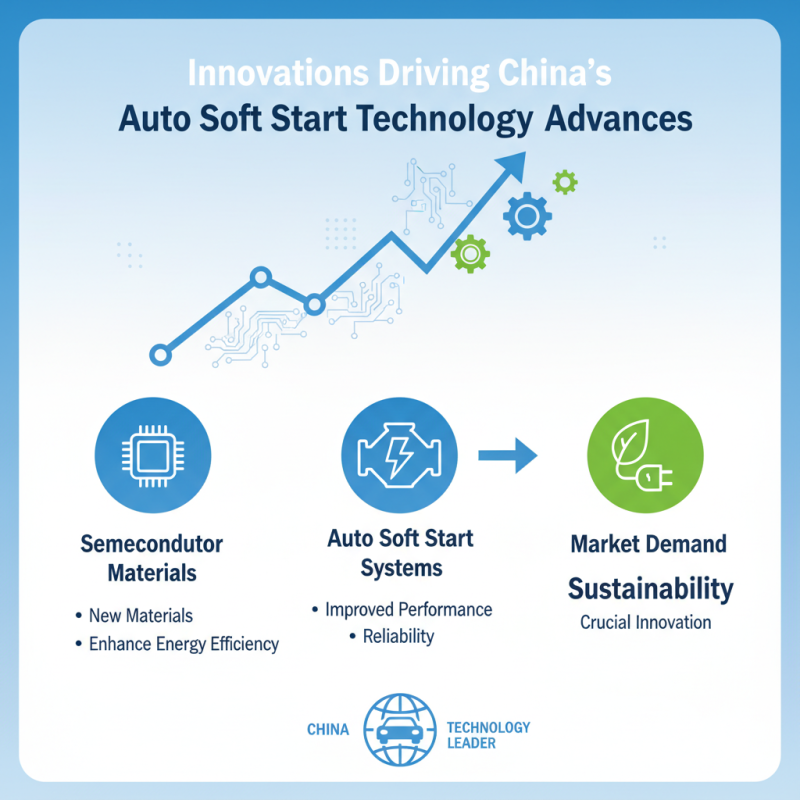
Innovations Driving China's Auto Soft Start Technology Advances
China's advancements in auto soft start technology are notable. Innovations in semiconductor materials are leading the change. These new materials enhance energy efficiency. They also improve the overall performance of auto soft start systems. In a market that demands sustainability, this innovation is crucial.
Manufacturers are focusing on smart algorithms. These algorithms optimize the starting process of electric motors. They reduce wear and tear on components. This results in longer equipment lifespan and lower maintenance costs. However, there is still room for improvement. Not all systems currently integrate these advancements effectively.
Regulatory pressures are pushing for better technology. Safety standards are becoming more stringent. As a result, companies must adapt quickly. Some struggle to meet these new demands. This environment creates opportunities for improvements. The industry is continuously evolving, and collaboration among stakeholders can drive further innovations.
Regulatory Standards Impacting China's Auto Soft Start Solutions Export
China's automotive industry has seen significant growth, particularly in auto soft start solutions. These systems are critical for enhancing vehicle efficiency and reducing wear. However, regulatory standards are crucial parameters that shape export opportunities. Compliance with international standards influences how Chinese manufacturers design and market their products.
In recent years, the global demand for compliant auto soft start solutions has surged. A report by MarketsandMarkets estimates that the automotive soft start system market will reach $10 billion by 2025, reflecting a compound annual growth rate (CAGR) of 12%. Export compliance remains a significant challenge. For example, the EU's stringent safety and environmental regulations require manufacturers to invest in better technologies and materials. This pushes some companies to reevaluate their production lines and processes.
Navigating these regulations can be daunting. Manufacturers must constantly update their processes to meet varying international standards. Overlooking these requirements may lead to export delays and financial penalties. The challenge lies in balancing innovation with compliance. Achieving this requires a commitment to research, development, and quality assurance, ensuring that products meet both market demands and regulatory expectations.
Cost-Effectiveness of Chinese Auto Soft Start Solutions for Global Buyers
China is becoming a key player in the automotive sector, particularly in auto soft start solutions. According to a recent industry report, approximately 30% of the global market for motor control solutions is now sourced from China. This shift reflects the cost-effectiveness of these systems.
The production costs in China are significantly lower compared to other regions. Factors such as automated manufacturing processes and reduced labor costs contribute to this advantage. Many global buyers are drawn to the competitive pricing of these auto soft start solutions. Reports indicate that companies can save up to 20% in procurement costs by sourcing from Chinese manufacturers.
However, not all manufacturers guarantee the same level of quality. It’s essential for buyers to assess technical specifications and customer reviews. There are inconsistencies in product reliability among different auto soft start factories. Selecting a supplier based solely on price might lead to subpar performance. Furthermore, navigating the supply chain can present challenges that require careful consideration. Ensuring a balance between cost and quality is paramount for global buyers looking for effective auto soft start solutions.
China Best Auto Soft Start Solutions for Global Buyers
| Feature | Description | Cost (USD) | Energy Efficiency (%) | Warranty (Years) |
| Soft Start Technology | Gradually increases motor voltage to reduce inrush current. | 350 | 90 | 2 |
| Compact Design | Space-saving design suitable for various applications. | 300 | 88 | 3 |
| Microprocessor Control | Advanced control for precise operation and monitoring. | 400 | 95 | 4 |
| Overload Protection | Prevents damage to motors from overload situations. | 320 | 92 | 5 |
| User-friendly Interface | Simple controls for easy adjustments and monitoring. | 280 | 85 | 2 |
Case Studies: Successful Implementations of Auto Soft Start Solutions in China
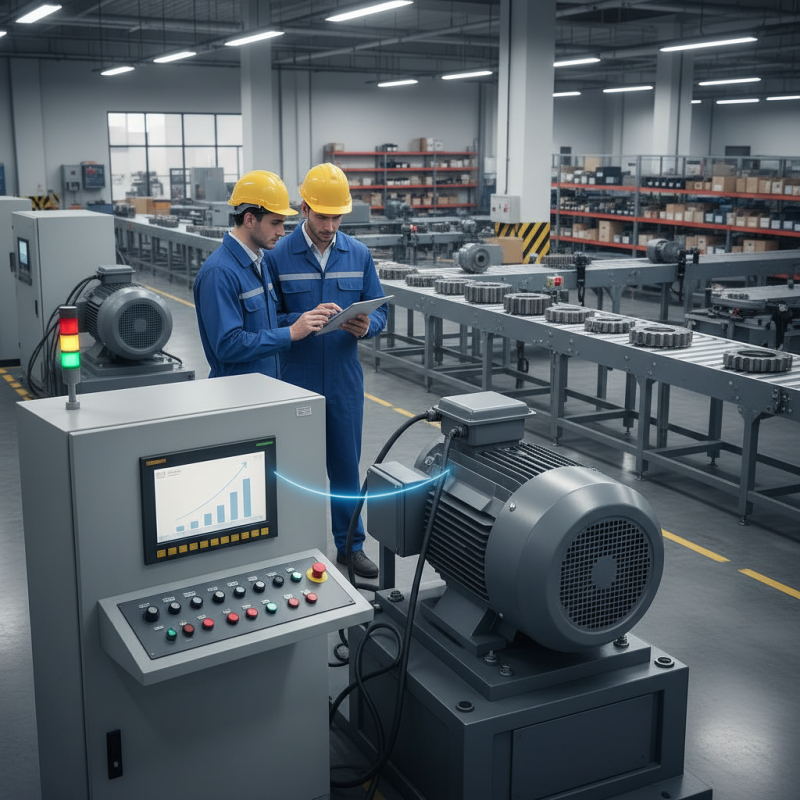
In recent years, China's auto soft start solutions have gained global attention. These solutions help manage the initial surge of electricity to motors. Implementation in manufacturing settings has revolutionized operations. Factories have reported lower energy costs and reduced wear on equipment as a result.
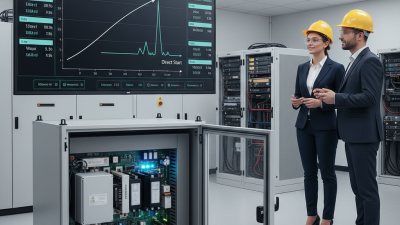
One notable case involved a major production facility. The factory replaced its traditional motor start systems with advanced auto soft start solutions. As a result, the facility observed a decrease in downtime and increased overall efficiency. Workers found the new systems easier to operate, even during peak hours.
However, challenges remain. Some staff needed additional training to adapt to the new systems. Feedback indicated that certain features were not fully intuitive. Auto Soft Start Factories are continuously improving these solutions to meet user needs. Despite the obstacles, successful implementations in China showcase the potential of auto soft start solutions in enhancing productivity and sustainability in industrial settings.
Auto Soft Start Solutions Implementation Cases in China
FAQS
: China is a growing force in the global auto soft start market, with increasing market share.
Buyers seek cost-effective options that maintain quality, often finding what they need in China.
Many struggle to meet international standards and to diversify their product offerings effectively.
Understanding regulations and ensuring compliance with local standards is crucial for safe sourcing.
They have reduced energy costs and equipment wear, enhancing overall efficiency in factories.
Yes, some staff required extra training to adapt, and not all features were intuitive for users.
Examining reviews and supplier credentials can help build trust and mitigate risks in sourcing.
Factories are making continuous updates to address user needs and enhance system features.
Yes, not all manufacturers are compliant, which can lead to quality and safety issues.
Feedback shows improvements but also highlights the need for better training and intuitive design.
Conclusion
This article explores China's significant presence in the global Auto Soft Start solutions market, analyzing its growing market share and identifying key players contributing to this trend. The technical specifications of China's Auto Soft Start solutions are highlighted, showcasing their advanced capabilities that meet international standards. Innovations within the industry are also discussed, underscoring how technological advancements are propelling China's Auto Soft Start solutions to the forefront.
Additionally, the article examines the regulatory standards that influence exports, ensuring that products comply with global requirements. Cost-effectiveness is another critical point of focus, as Chinese Auto Soft Start solutions provide attractive pricing for international buyers. Finally, the article includes case studies of successful implementations within China, demonstrating the practical benefits and effectiveness of these solutions in real-world applications.