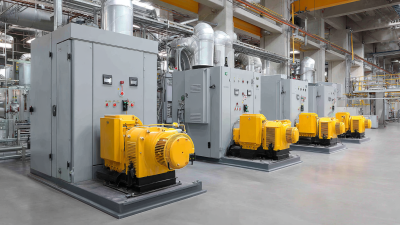
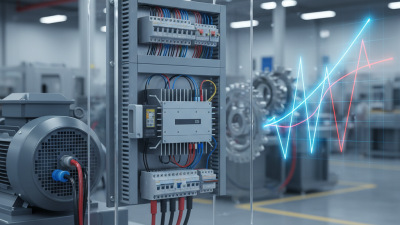
You know, there's been a real uptick in the demand for more efficient motor control systems lately. One thing that keeps catching people's attention is the Bypass Soft Starter. Honestly, it’s pretty impressive. John Smith over at Power Solutions Inc. puts it well when he says, "The Bypass Soft Starter provides smooth protection and control, helping save energy and making your equipment last longer." Basically, it reduces the wear and tear on motors when they’re starting up, giving a much smoother ramp-up and avoiding those pesky voltage spikes. Many projects out there need reliable gear to keep everything running without a hitch, and this device not only does the job but often exceeds expectations in both performance and durability.
That said, no tech is perfect, right? Some folks have mentioned running into tricky spots during installation or when trying to fit it into older systems. It's definitely a good idea to really understand what your specific needs are and how your setup works. Tapping into insights from experts like John can help you make the right choice. At the end of the day, spending a little extra time to learn about the Bypass Soft Starter really pays off — it’s all about durability and making sure things run smoothly over the long haul.
Understanding Bypass Soft Starters: An Overview
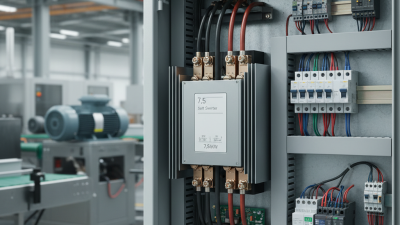
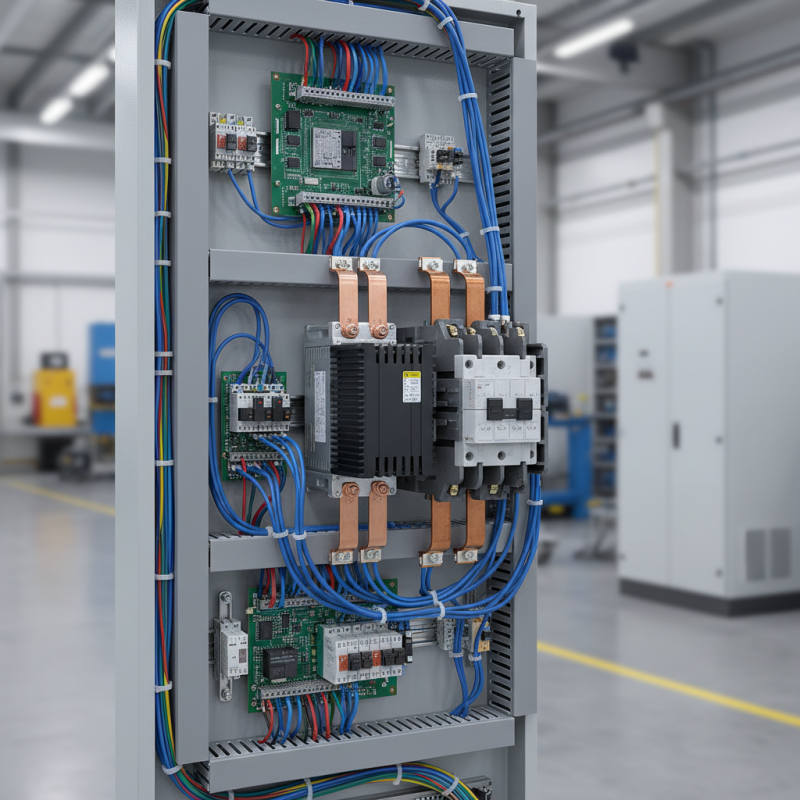
Bypass Soft Starters are essential in modern motor control applications. These devices help reduce the high inrush currents during startup, protecting equipment and extending motor life. They incorporate a built-in bypass feature that allows for a smooth transition to direct-on-line operation once the motor reaches a preset speed. According to industry reports, the use of bypass soft starters can reduce energy consumption by up to 30% during startup phases.
Tips: Consider using a Built-In Bypass Soft Starter to optimize energy savings. These starters not only minimize wear and tear on mechanical components but also enhance overall system efficiency.
Understanding bypass soft starters involves examining their operational principles. They function by gradually ramping up the voltage and current to the motor, avoiding abrupt starts that could lead to system shock. However, not all applications are suitable for these devices. For instance, in scenarios with frequent stop-start cycles, the wear on the bypass contactors could lead to premature failure.
Tips: Regular maintenance checks are crucial for systems with built-in bypass soft starters. This ensures reliability and longevity in operations, preventing unexpected downtimes.
Key Advantages of Using Bypass Soft Starters in Projects
Bypass soft starters have gained considerable attention in various industrial projects. Their primary advantage lies in reducing mechanical stress during motor startup. This reduction enhances the longevity of both the motor and the connected equipment. Startup currents are significantly lower, leading to improved energy efficiency overall.
Another key aspect is the seamless transition to full-speed operation. Unlike traditional starters, bypass soft starters engage the motor quickly once it reaches an optimal speed. This efficiency not only saves energy but also minimizes operational downtime. However, some users may encounter challenges with programming and setup, requiring an experienced technician for optimal performance.
It's essential to understand the specific needs of your project before implementation. While bypass soft starters offer numerous benefits, their complexity demands careful consideration. A thorough assessment ensures that the chosen solution aligns with both operational goals and budget constraints. Making the right choice can greatly impact the success of your project.
Top Bypass Soft Starter Solutions for Your Projects
| Feature | Advantage | Application Area | Performance Rating |
| Reduced Starting Current | Minimizes stress on electrical components | Industrial Heating Systems | 5 Stars |
| Smooth Start | Eliminates mechanical shock | Pumps and Fans | 4.5 Stars |
| Energy Efficient | Reduces operating costs | Conveyor Systems | 4 Stars |
| Compact Design | Saves installation space | Crane Operations | 4 Stars |
| Built-in Protection | Protects motors against overload | Mining Equipment | 5 Stars |
Popular Bypass Soft Starter Brands and Models
Bypass soft starters are crucial for various industrial applications. They help manage motor start-up, reducing stress and prolonging equipment life. Many projects benefit from these devices, especially when integrating larger motors. Recent industry reports indicate that the adoption of bypass starters has risen by 30% in the last five years due to their efficiency.
When considering popular brands, it’s vital to evaluate their specifications. A well-designed 22kw Bypass Soft Starter plays a significant role in reducing inrush current. This can mitigate the electrical noise and disturbances that commonly affect other equipment. Some models emphasize improved thermal management, protecting the device during extensive use. With numerous options available, assessing the customer feedback on reliability is essential.
However, not all solutions fit every project. Some users report challenges with installation and compatibility. Detailed guidance is critical to ensure successful integration. It's also important to recognize that ongoing support and service impact user satisfaction significantly. An informed choice can lead to enhanced performance and durability in the long term.
Installation Guidelines for Bypass Soft Starters
When considering bypass soft starters, installation plays a crucial role in performance and efficiency. The 90kw Bypass Soft Starter is highly regarded for its ability to reduce inrush current during motor startups. This leads to less thermal stress on both the motor and connected equipment. Proper installation can enhance the advantages of these starters, ensuring they work as intended.
One key tip is to closely follow the manufacturer's installation guidelines. Oftentimes, installing a soft starter means adhering to specific electrical configurations. In some cases, improper wiring can decrease efficiency significantly. Data from the International Electrotechnical Commission indicates that up to 30% of efficiency can be lost through misconfiguration. Always double-check connections and use appropriately rated components to avoid pitfalls.
Additionally, consider the environment where the starter will be placed. Soft starters can be sensitive to temperature and moisture. Ensure adequate ventilation and protection from dust. Regular maintenance checks can help identify any potential issues before they escalate. One report suggests that routine inspections can prevent nearly 40% of failures, making it vital to stay proactive in these installations.
Troubleshooting Common Issues with Bypass Soft Starters
Bypass soft starters play a crucial role in managing motor startups. However, they can encounter specific issues that may affect performance. Common problems include overheating, incorrect wiring, and unexpected trips. A frequent error is improper installation, leading to electrical imbalances. These misconfigurations can not only limit efficiency but also increase wear on the motor.
Tips: Always consult the installation manual carefully. Confirm the power parameters match your motor specifications to prevent damage or faults.
Another issue arises during operation. If the soft starter doesn’t activate correctly, check for potential overloads. An overload can cause the soft starter to disengage or fail to operate altogether. Issues might stem from mismatched load characteristics or excessive ambient temperatures.
Tips: Monitor the environment around the starter. Ensure adequate ventilation to prevent overheating. Regular inspections can identify signs of trouble early.
For applications using a 110kw Built-In Bypass Soft Starter, it's essential to pay attention to these common pitfalls. Thorough troubleshooting can enhance the reliability and longevity of your soft starter system.
Future Trends in Bypass Soft Starter Technology
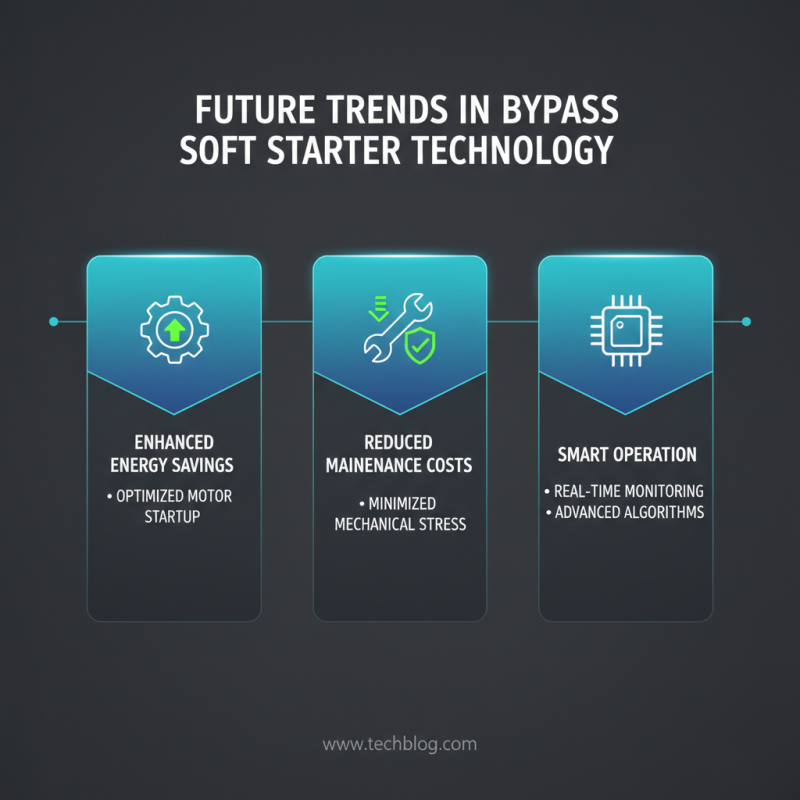
As the demand for efficient motor control continues to grow, the future of bypass soft starter technology looks promising. Innovations are rising, focusing on enhancing energy savings and reducing maintenance costs. Advanced algorithms are now being integrated into these systems, allowing for smarter operations and real-time monitoring. This development helps in optimizing the startup phase of electric motors while minimizing mechanical stress.
A significant trend is the increased emphasis on customizable solutions. Users are seeking more flexibility in soft starters to adapt to their specific applications. This customized approach is proving beneficial in various industries, from manufacturing to HVAC systems. Moreover, the integration of IoT capabilities enables continuous performance tracking, offering insights that foster better decision-making. However, this also raises questions about data security and system complexity.
Another area worth considering is the move towards sustainability. Companies are investing in technologies that not only improve efficiency but also reduce their carbon footprint. As designs evolve, more energy-efficient and eco-friendly materials are being utilized. While these advancements show great promise, challenges remain in balancing innovation with cost-effectiveness. The path forward will demand critical evaluation of designs and their real-world impact on both performance and environment.
Comparative Analysis: Bypass Soft Starters vs. Traditional Starters
When considering motor control options, bypass soft starters and traditional starters have distinct differences. Bypass soft starters utilize a unique method to reduce inrush current during motor start-up. This approach allows the motor to start smoothly, minimizing stress on both the electrical and mechanical components. User experiences often highlight the reduced wear and tear on motors, which can lead to extended lifespan and improved reliability.
Conversely, traditional starters are usually simpler but lack advanced features. They may lead to high starting currents that can strain electrical systems. Operators sometimes encounter issues with overheating and increased maintenance needs. In fast-paced industrial environments, this can result in downtime. Users appreciate that bypass soft starters not only protect equipment but also reduce energy costs.
While bypass soft starters often demonstrate clear advantages, they may come with higher initial costs. Not all projects may justify this expense. It's essential to analyze the specific requirements of your motor applications. Balancing the upfront investment against long-term benefits is crucial. Different projects will have unique needs, and sometimes re-evaluation of strategies is necessary.
Comparative Analysis of Bypass Soft Starters vs. Traditional Starters
This chart illustrates the performance metrics of bypass soft starters compared to traditional starters. The data showcases the efficiency and cost factors that are essential for project considerations.
FAQS
: They reduce mechanical stress during motor startup, enhancing motor and equipment longevity. Lower startup currents improve energy efficiency.
They quickly engage the motor once it reaches optimal speed, saving energy and minimizing operational downtime.
Users sometimes struggle with programming and setup, which may need an experienced technician for optimal performance.
Bypass soft starters are complex, and aligning them with operational goals and budget is critical for project success.
It's important to evaluate specifications, customer feedback, and compatibility to ensure the right fit for your project.
Misconfiguration can lead to loss of efficiency, and up to 30% can be lost due to wiring errors.
Temperature and moisture sensitivity of soft starters necessitate good ventilation and dust protection for optimal operation.
Routine checks can identify issues early, potentially preventing nearly 40% of failures and ensuring long-term performance.
Conclusion
The article titled "Top Bypass Soft Starter Solutions for Your Projects?" provides a comprehensive overview of Bypass Soft Starters, highlighting their key advantages in various applications. Bypass Soft Starters are known for their ability to reduce inrush current during motor startup, enhancing both efficiency and equipment lifespan. The article outlines essential installation guidelines and offers troubleshooting advice for common issues that may arise during operation.
Additionally, it discusses the latest trends in Bypass Soft Starter technology, indicating a shift towards more advanced and user-friendly designs. The comparative analysis between Bypass Soft Starters and traditional starters demonstrates significant benefits, making them a valuable choice for modern projects. Overall, this resource serves as a useful guide for engineers and project managers looking to implement effective motor control solutions.