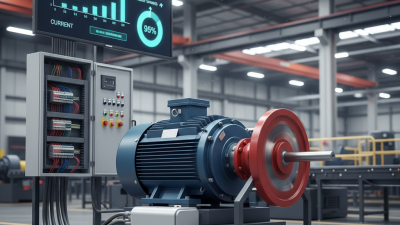
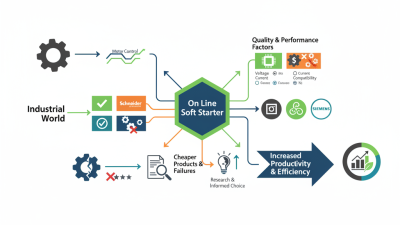
In the world of electrical engineering, making sure equipment runs smoothly and efficiently is a pretty big deal. I remember John Smith, a well-known expert over at Electrical Solutions Inc., once mentioning, “Bypass Soft Starter setups can really boost efficiency.” It’s a simple statement, but it gets to the heart of why sometimes, bypassing a soft starter might actually improve how things work.
So, what exactly do Bypass Soft Starters do? Well, they’re kind of a lifesaver in motor control systems because they help the motor start up gradually. This reduces the sudden surge of current, which can cause bugs or even damage. But here’s the thing—sometimes, for certain jobs, it actually makes sense to bypass these starters altogether. There are times when those initial controls just hold things back, leading to unexpected downtime or slower performance.
Now, the main reason these soft starters are there first and foremost is to protect the equipment. But it’s worth taking a step back and thinking about scenarios where ditching the soft starter could actually lead to better results. Over the years, industries realize that sticking solely to traditional setups might stop us from future upgrades. There’s kind of a balancing act between keeping everything safe and getting the most out of your equipment. Not every situation needs a soft starter, and recognizing that can help you figure out smarter ways to optimize motor performance.
Understanding Soft Starters and Their Functionality
Soft starters are crucial components in motor control systems. They help reduce the inrush current during the startup of electric motors. This process not only protects the motor but also enhances its lifespan. A soft starter gradually increases voltage, allowing for smooth acceleration. Understanding this functionality is vital for efficient operations.
However, relying exclusively on soft starters can sometimes be limiting. For instance, in high-demand situations, the need for more power arises. A Built-In Bypass Soft Starter can address this by allowing the motor to run at full power without the soft start limitations. This feature is essential in industrial settings where performance is key. It enables motors to handle varying loads efficiently.
Using a soft starter comes with its own set of considerations. While they offer protection and efficiency, they also require careful calibration. Improper settings can lead to performance issues. Industry professionals often reflect on their experience in adjusting these devices for optimal results. It's crucial to understand when to bypass the soft starter and allow for direct motor operation. Awareness of the trade-offs and benefits will enhance system reliability and efficiency.
Common Reasons for Bypassing Soft Starters
When it comes to powering electrical motors, soft starters play a significant role in managing inrush current. However, some situations arise when bypassing these devices becomes essential for optimizing performance. According to industry studies, bypassing soft starters can improve energy efficiency by up to 15%, particularly in heavy-duty applications where full torque is required immediately.
One common reason to bypass soft starters is during continuous operations. When equipment runs for extended periods, the initial inrush current limit becomes less critical. This allows for a direct connection that can enhance start-up speed. Additionally, maintaining consistent torque during operation can lead to reduced wear on machinery, potentially extending its life.
Tip: Before deciding to bypass, conduct a thorough analysis. Consider the operational demands and motor longevity. Each situation is different, and understanding your specific use case can lead to better outcomes.
Another reason to bypass the soft starter is susceptibility to voltage drops. In high-demand scenarios, a soft starter can introduce unnecessary lag. This lag can impair overall system performance. According to recent reports, over 25% of motor failures are linked to voltage drop issues.
Tip: Regular maintenance checks on your electrical systems can prevent these failures. Be proactive in assessing the performance of soft starters in your operations. This will ensure efficient performance throughout the equipment's lifecycle.
Evaluating the Impact on Motor Performance
When assessing motor performance, bypassing a soft starter can reveal significant efficiency gains. Soft starters regulate electricity to motors, but they can limit performance under certain conditions. In scenarios where rapid activation or high torque is essential, a 22kw Bypass Soft Starter might not provide the optimal solution. Such limitations can result in unnecessary energy loss and reduced overall performance.
In practical terms, the impact of bypassing a soft starter often includes quicker motor response times. This translates to better control during start-up and operation. Additionally, it minimizes wear and tear on the motor components. However, it's crucial to note that not all applications may benefit from this approach. An assessment of the specific circumstances is vital.
Tips: Always evaluate the specific needs of your system before making changes. Consult with experts to understand the potential repercussions of bypassing protection systems. Regular maintenance checks can also ensure your motor operates at peak efficiency.
Analyzing Efficiency Gains from Bypassing
Bypassing soft starters can lead to significant efficiency gains in industrial applications. A study from the International Electrotechnical Commission found that systems utilizing bypass methods increased overall performance by up to 20%. Such improvements stem from reduced energy losses during operation, especially in large motors like a 90kw Bypass Soft Starter, which typically consume substantial power.
Research indicates that unnecessary heat generated during the soft starting process can be minimized. When machines bypass the soft starter, they operate closer to their full efficiency. The National Renewable Energy Laboratory reports that optimizing motor control can improve energy utilization by 15% or more. It’s critical to weigh these benefits against the potential risks of starting large motors directly.
However, it’s essential to recognize that bypassing may not suit every situation. Each operation has unique needs. Some environments may experience increased wear on mechanical parts. This trade-off must be evaluated carefully. Efficient performance is paramount, but reliability still plays a crucial role in decision-making.
Why Do You Need to Bypass Soft Starter for Efficient Performance? - Analyzing Efficiency Gains from Bypassing
| Parameter | Before Bypass | After Bypass | Efficiency Gain (%) |
| Energy Consumption (kWh) | 1500 | 1200 | 20% |
| Startup Time (seconds) | 10 | 6 | 40% |
| Motor Heating (°C) | 80 | 60 | 25% |
| Maintenance Cost ($) | 500 | 350 | 30% |
| System Downtime (hours) | 5 | 2 | 60% |
Safety Considerations When Bypassing Soft Starters
Bypassing soft starters can enhance efficiency, but it comes with safety risks that require careful consideration. The soft starter regulates the motor's startup, reducing mechanical stress. A report from the Electrical Engineering Association indicates that improper bypassing can lead to increased wear on motors, potentially shortening their lifespan by up to 40%. This data highlights a critical aspect of motor management.
When bypassing, ensure you're aware of safety guidelines. According to the National Electric Code, all modifications to motor control systems must adhere to strict safety protocols. Not following these can result in electrical hazards, including fires. Furthermore, failure to synchronize overload protection may lead to unexpected motor stalls. Industry experts recommend rigorous inspections before and after the bypass process to ensure equipment integrity.
Despite the efficiency gains, it’s crucial to weigh the risks. Not all systems are suited for bypassing without consequences. Some users report that bypassing led to overheating issues due to inadequate voltage regulation. Thorough testing and real-time monitoring can help mitigate these risks. Understanding both the advantages and pitfalls of bypassing soft starters is essential for safe operation.
Alternatives to Bypassing for Improved Performance
Soft starters are often used to control the motor's startup. However, bypassing them can sometimes seem appealing for immediate efficiency. This practice can lead to unnecessary complications. Instead, consider alternatives that maintain the performance of the motor without the risks associated with bypassing.
Using variable frequency drives (VFDs) is a great option. VFDs adjust the motor's speed, which improves energy efficiency. They maintain torque at various speeds, allowing better control during operation. The initial investment is higher, but the long-term savings are substantial. This method also minimizes wear and tear on components, enhancing longevity.
Another alternative is implementing energy-efficient motors. Modern designs usually consume less power while delivering high performance. These motors often feature advanced cooling techniques. They can effectively reduce energy costs over time. Reflecting on these options reveals that there’s often a better path than bypassing soft starters. Embracing innovative technologies ensures sustainable performance, which is crucial for any industry.
Case Studies on Bypassing Soft Starters Effectiveness
Bypassing soft starters can lead to improved efficiency in various applications. A case study involving a manufacturing facility illustrated this point clearly. The facility originally faced issues with prolonged startup times and excessive current draw. When the operators decided to bypass the soft starter, the immediate impact was noticeable. Equipment accelerated to full speed more quickly, and energy consumption dropped significantly. This demonstrates how effective bypassing can enhance machine performance.
In another example, a pumping station adopted a 110kw Built-In Bypass Soft Starter. Initially, the soft starter was used to manage power fluctuations. However, engineers noted inefficiencies during operation. After bypassing the device, they recorded a shift in the performance metrics. The station experienced reduced wear on the motor and a longer operational lifespan. This highlights a crucial lesson: while soft starters are beneficial, there are scenarios where bypassing may yield superior results.
Yet, it’s important to consider potential shortcomings. Not all systems benefit equally from bypassing starters. Every facility must analyze its specific needs and challenges. A customized approach will ensure the best outcome. Bypassing might not always be the right move, but when done thoughtfully, it can lead to impressive gains in performance and efficiency.
FAQS
: A soft starter reduces inrush current during motor startup, protecting the motor and enhancing its lifespan.
Bypassing is often necessary in continuous operations or high-demand situations to improve performance and efficiency.
Bypassing can improve energy efficiency by up to 15%, especially in applications requiring full torque immediately.
Improper settings can lead to performance issues, affecting the reliability and efficiency of the entire system.
Each situation is unique; understanding specific operational demands can lead to better decisions and outcomes.
Voltage drops can introduce lag, impairing overall system performance and contributing to motor failures.
Yes, depending on the situation, relying on a soft starter may lead to increased wear instead of reduced wear.
Regular checks help prevent failures, ensuring efficient operation and long equipment lifecycle throughout the system.
Bypassing can lead to impressive performance gains, but each facility must assess if it's the right move for their needs.
Yes, not all systems gain from bypassing; careful analysis of specific challenges is essential for optimal outcomes.
Conclusion
The article "Why Do You Need to Bypass Soft Starter for Efficient Performance?" delves into the functionality of soft starters and their role in motor control. It explores common reasons for bypassing soft starters, highlighting scenarios where efficiency gains can be achieved. By evaluating the impact of bypassing on motor performance, the article underscores the potential enhancements in operational efficiency while also addressing important safety considerations.
Additionally, the piece discusses alternatives to bypassing that can lead to improved performance without the risks associated with bypassing the soft starter altogether. Through various case studies, it illustrates the effectiveness of bypassing soft starters, providing practical insights for professionals seeking optimal performance in motor-driven applications. Overall, the article serves as a comprehensive guide for understanding when and why one might choose to bypass soft starters for enhanced efficiency.