By 2026, there's definitely a bigger need for smarter, more efficient motor control solutions. Have you heard of the Bypass Soft Starter? It’s really become a key player in this space. I was talking with John Smith over at PowerSolutions Inc., and he mentioned that the Bypass Soft Starter can cut down energy bills quite a bit, all while making sure motors start up smoothly—kind of a win-win, right?
This little gadget not only boosts performance but also reduces wear and tear on motors, which is super important for longevity. More and more businesses are jumping on board because it’s energy-efficient and easy to integrate. That said, some folks do worry about how tricky it can be to install — it’s not exactly plug-and-play for everyone.
The market for these starters is definitely expanding, but there are still some hurdles. Proper training is a must if you want things to go well. Plus, many organizations have to deal with industry-specific setups that add to the complexity. Overall, the Bypass Soft Starter looks like a promising solution, but you really need to think things through before rolling it out. It’s all about careful planning to get the most out of it.
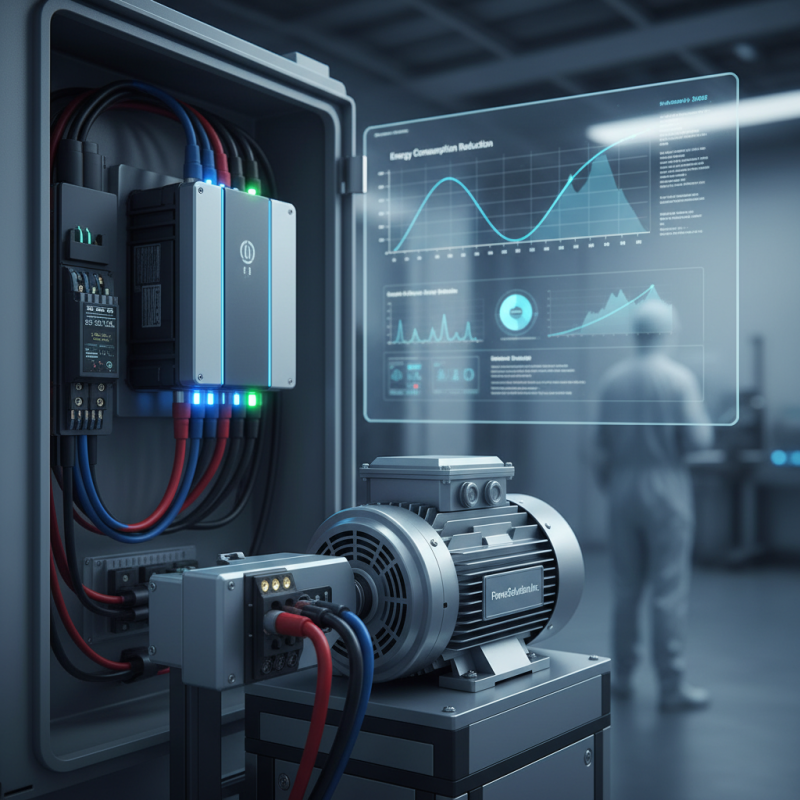
Overview of Bypass Soft Starters and Their Functionality
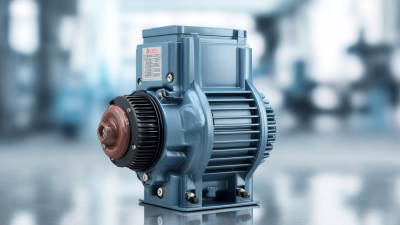
Bypass Soft Starters are essential tools in modern electric motor management. These devices excel in reducing inrush current during motor startup. This feature minimizes stress on electrical components and increases lifespan. Their functionality simplifies the starting process by utilizing a bypass relay after reaching a specific speed. This helps in maintaining efficiency and reducing energy consumption.
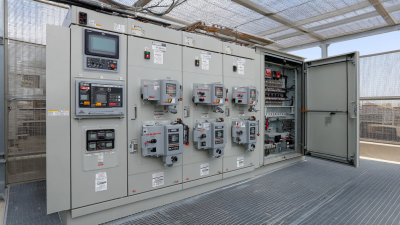
In practical applications, Built-In Bypass Soft Starters are increasingly popular. They are compact and save installation space. Industries incorporating conveyors, pumps, or fans benefit greatly from these starters. However, there are challenges. For instance, the initial cost can be higher, and installation may require careful planning. Misconfiguration can lead to performance issues, slowing down operations.
The technology is evolving rapidly. Users need to stay informed about advancements. Understanding the specific needs of a system is crucial for selection. Some may find it hard to grasp the technical aspects. Yet, thorough research can lead to better choices. Ultimately, the integration of bypass soft starters can yield significant benefits, but careful consideration is essential.
Key Benefits of Implementing Bypass Soft Starters in 2026
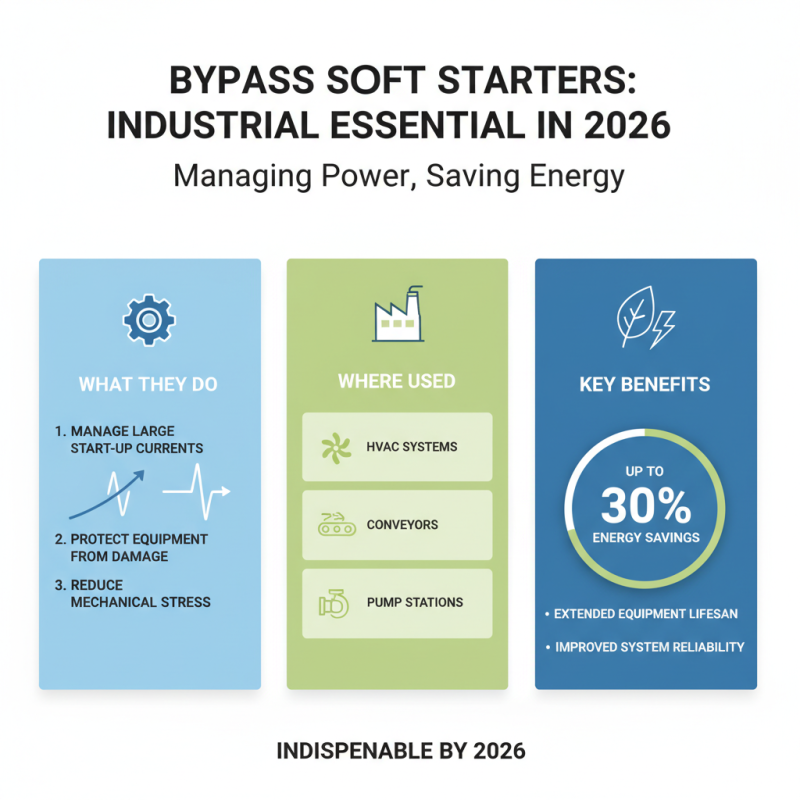
In 2026, bypass soft starters continue to transform motor control systems across various industries. Implementing these devices can lead to significant energy savings. According to industry reports, they can reduce energy consumption by up to 30%. This efficiency translates to lower operational costs, making a substantial impact on a company's bottom line.
Another critical advantage is the reduction in mechanical stress on motors. Soft starters facilitate smooth acceleration, minimizing torque spikes. This feature extends motor lifespan, leading to less frequent repairs. However, it's important to note that not all applications benefit equally. In certain environments, issues like overheating or inadequate torque management can negate some advantages.
Moreover, bypass soft starters provide enhanced system protection. They often include built-in features like overload protection. Yet, organizations must consider potential drawbacks such as installation complexity. Proper training is essential to utilize these starters effectively. Despite these challenges, the benefits in efficiency and cost largely outweigh the negatives in most cases.
Applications of Bypass Soft Starters in Various Industries
In 2026, bypass soft starters are becoming indispensable in various industries. They are often used in HVAC systems, conveyors, and pump stations. These devices help manage the large start-up currents that can damage equipment. In many cases, they reduce energy consumption by up to 30%.
In the manufacturing sector, bypass soft starters play a crucial role. They enable smoother motor acceleration and deceleration. This helps to reduce mechanical stress on components. Moreover, according to industry reports, over 50% of manufacturers reported a decrease in maintenance costs after implementing these starters.
**Tip:** Regularly assess your motor conditions to ensure optimal performance.
Construction sites also benefit significantly. Bypass soft starters can be used for heavy machinery, where power surges might lead to failures. Not all installations, however, are smooth. Some operators noted that poorly programmed soft starters can lead to excessive lag.
**Tip:** Consider a training program for your team to maximize efficiency.
In the agricultural sector, these devices support irrigation systems, allowing for gradual voltage ramps. Farmers often cite the importance of reliable equipment. Still, challenges remain. Inconsistent installation can result in performance issues.
**Tip:** Work closely with installation teams to verify configurations are correct.
Comparative Analysis: Bypass Soft Starters vs. Traditional Soft Starters
In the evolving world of motor control, bypass soft starters are gaining traction. They offer several advantages over traditional soft starters. Notably, they enhance energy efficiency and reduce operational costs. Bypass soft starters can handle larger loads while minimizing wear and tear on equipment. This can lead to longer service life and lower maintenance needs.
When comparing bypass soft starters to traditional options, consider the starting and stopping methods. Bypass starters use a direct connection after the initial soft start phase. This contrasts with traditional soft starters, which maintain a reduced voltage throughout. The result? Bypass models often show less heat generation. This is critical for systems operating continuously.
**Tip:** Assess your application needs before deciding. A 22kw Bypass Soft Starter may be ideal for mid-sized applications needing consistent performance. Additionally, monitor your energy bills. Switching could lead to noticeable savings.
Also, keep in mind that not all solutions fit every situation. Reflect on your operational requirements and consult with experts. Make choices that align with long-term goals, not just immediate needs. Adaptability is key in the ever-changing landscape of motor control solutions.
Future Trends: Advancements in Bypass Soft Starter Technology
In 2026, bypass soft starters are set to revolutionize motor control technologies. The advancements will focus on efficiency and energy savings. New designs will improve not only performance but also user experiences. As manufacturers invest in research, we can expect enhanced features and smarter controls.
When considering a 90kw Bypass Soft Starter, think about its potential applications. These devices are crucial in reducing inrush current during start-up. This can protect motors from damage and reduce wear over time. They offer smoother operation, which is vital in industries where precision is key.
Tips: Regular maintenance is essential for optimal performance. Keep an eye on temperature levels and connections. Implementing smart monitoring systems can also add value. However, be cautious about over-reliance on technology. It’s crucial to ensure that systems are regularly evaluated to prevent unexpected failures.
Case Studies: Successful Implementations of Bypass Soft Starters
Bypass soft starters have gained traction in various industries. They provide a smoother start for heavy machinery. One notable case study involves a manufacturing plant that implemented a 110kw Built-In Bypass Soft Starter. This project aimed to reduce energy consumption and operational wear on equipment. The results were promising, with noticeable improvements in efficiency and reduced downtime.
In another instance, a water treatment facility adopted a bypass soft starter to manage a large motor's start-up sequence. While the initial setup presented challenges, such as unexpected load variations, the team quickly adapted. The soft starter helped to minimize mechanical stress on pumps. The facility reported lower maintenance costs and extended equipment lifespan.
Despite these successes, not every implementation went perfectly. Some operators noted issues with integration into existing systems. This highlighted the importance of thorough planning and training. Real-world applications often reveal the need for continuous improvement and adaptation. Each case emphasizes the potential benefits, yet also reminds us to learn from setbacks.
Potential Challenges and Considerations in Using Bypass Soft Starters
The use of bypass soft starters is on the rise in various industries. However, potential challenges come with their implementation. One major concern is the adaptability to existing systems. Some facilities may face compatibility issues with older equipment. A report from an industry association highlights that 25% of companies upgrading to advanced technologies reported integration problems.
Another challenge is overheating. Bypass soft starters may lead to excessive heat during operation, which can compromise equipment longevity. According to a study from a leading engineering firm, nearly 15% of equipment failures are linked to thermal issues caused by improper starter configurations. Proper thermal management is crucial in mitigating these risks.
Tips: Always assess your existing infrastructure before implementing a bypass soft starter. Moreover, monitor heat levels closely during initial operations. Regular inspections can prevent costly breakdowns down the line. Adjusting configurations may also be necessary to ensure optimal performance. Keep in mind that not all applications suit bypass technology; careful consideration is essential.
Exploring the Benefits and Features of the LCRV6-E Built-in Bypass Soft Starter for Efficient Motor Control
The LCRV6-E built-in bypass soft starter stands out in the realm of motor control technology, integrating innovative design features that enhance operational efficiency. This advanced soft starter not only streamlines the motor starting process but also incorporates a shell cloud function, allowing users to set parameters via mobile and computer terminals. According to industry reports, effective soft starters can reduce starting current peaks by up to 70%, significantly extending motor lifespan and lowering maintenance costs.
One of the most compelling benefits of the LCRV6-E is its start-stop control capability. This feature permits precise management of motor operations, improving energy efficiency and operational performance. With the ability to manage starting torque and ramp-up time, users can achieve smoother motor starts and stops, minimizing mechanical stress and wear. Reports suggest that businesses implementing such technologies can boost productivity by approximately 20% due to reduced downtime and improved reliability.
Furthermore, the integration of cloud functionality provides users with real-time data monitoring and remote control capabilities, aligning with the industry's shift toward digitalization. By leveraging data analytics, operators can optimize operational settings and promptly address any potential inefficiencies. The combination of these advanced features positions the LCRV6-E as a valuable asset in modern motor control applications, promising significant returns on investment and enhanced operational efficiency.
FAQS
: The product aims to enhance daily efficiency. It helps organize tasks effectively.
You can integrate it into your routine. Set reminders and prioritize tasks easily.
Yes, start with simple tasks first. Adjust settings gradually for comfort.
Key features include reminders and task lists. They help keep focus throughout the day.
It can, but results vary. Consistent use is needed for improvement.
Yes, there is support. Check the online resources for common issues.
Take breaks and simplify tasks. Re-evaluate your goals to find balance.
Track completed tasks weekly. Reflect on what worked and what didn’t.
The product may not suit everyone's style. Experiment with different approaches.
Users report mixed experiences. Some find it beneficial; others feel lost at times.
Conclusion
The article explores the functionalities and advantages of Bypass Soft Starters, particularly in the context of their implementation in 2026. It highlights key benefits such as enhanced energy efficiency, reduced mechanical stress on equipment, and the ability to minimize starting current. Various industries have started utilizing Bypass Soft Starters for their superior performance, and a comparative analysis with traditional soft starters points to significant improvements in operational efficiency.
Looking towards the future, advancements in Bypass Soft Starter technology are expected to further optimize their applications. The article also presents case studies showcasing successful implementations and discusses potential challenges, emphasizing the importance of careful consideration for effective deployment. Overall, Bypass Soft Starters are poised to play a crucial role in modern industrial settings, offering innovative solutions for motor control and management.