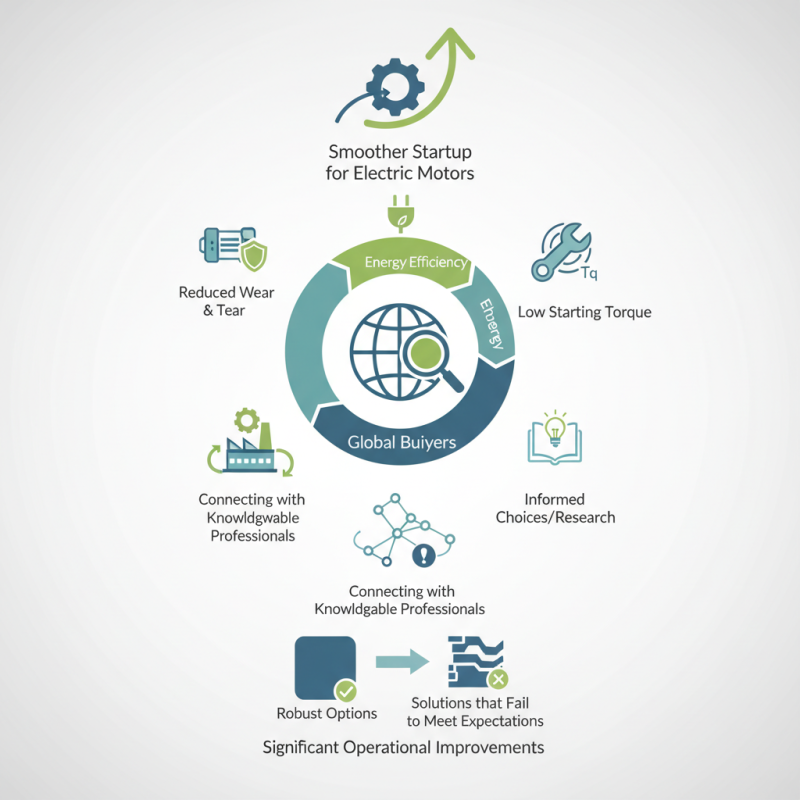
Electric motor control tech has come a long way, especially with Vfd Soft Start solutions taking the spotlight. These systems help motors get going smoothly right from the start, really cutting down on wear and tear over time. For lots of industries, having dependable motor performance isn’t just nice — it’s essential. But, honestly, choosing the right Vfd Soft Start can feel pretty overwhelming, especially since there are so many options out there worldwide.
Some brands are well-known for their tech know-how, like Siemens and ABB, which offer solid Vfd Soft Start products suited for all kinds of applications. Still, not every supplier is on the same level — even the big names sometimes release solutions that don’t quite hit the mark. When shopping around, it’s smart to focus on features like energy savings and low starting torque to make sure you get what you really need.
In this pretty competitive market, making informed decisions is key. Taking the time to understand your specific application needs can save you from a lot of headaches down the road. Tapping into community forums, expert reviews, or chatting with industry pros can really help you get the full picture and avoid missing small but important details. At the end of the day, doing your homework on Vfd Soft Start options can lead to better operation, fewer surprises, and maybe even some savings.
Understanding VFD Soft Start: A Comprehensive Overview
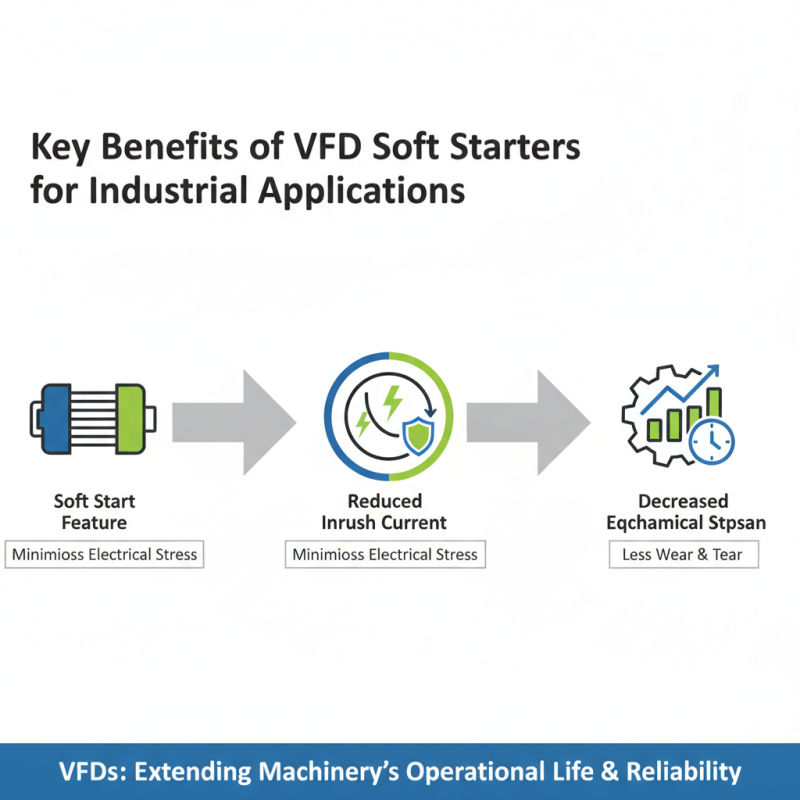
VFD soft start solutions are essential for industrial applications. They help protect motors from damaging currents during startup. This technology reduces stress on mechanical components and electrical systems. Understanding how it works can simplify your purchasing decision.
When selecting a VFD soft start solution, consider the power requirements of your motor. Ensure compatibility with your existing setup. Not all Soft Starters are created equal. Some may lack critical features likeovercurrent protection. Research is vital.
Tips: Always consult with a professional before installation. They can provide insights into specific needs. Do not overlook the importance of proper settings. Incorrect configurations may lead to inefficiencies.
Another consideration is the environmental conditions where the equipment will operate. Harsh conditions may require special enclosures for added protection. Regular maintenance also plays a role in the longevity of your VFD soft start solution. Small lapses in upkeep can lead to larger issues over time.
Popular VFD Soft Start Solutions for Global Markets
VFD soft start solutions play a crucial role in many industrial applications. They help to reduce the mechanical stress on motors during startup. This can lead to less wear and tear on machinery. Additionally, they improve efficiency by managing power supply better. Many buyers around the world are looking for reliable options. With so many suppliers, choosing can be challenging.
When selecting a Vfd Soft Start Supplier, consider their expertise in the industry. Look for suppliers who provide comprehensive support and technical documentation. Experienced suppliers often have a proven track record. They can assist with installation and troubleshooting. Don't hesitate to ask for references or case studies to verify their reliability.
**Tips:** Always ensure the supplier offers robust training for your team. This will maximize the effectiveness of the soft start systems. Be prepared to reflect on your specific needs and budget. Each solution varies in complexity and cost. Understanding your requirements can lead to better decision-making.
The Best Vfd Soft Start Solutions for Global Buyers
| Solution Type | Voltage Rating (V) | Power Range (kW) | Control Method | Key Features |
| Soft Starter with VFD | 230/400 | 0.75 - 22 | Vector Control | Energy Saving, Smooth Operation |
| Soft Start Module | 400 | 5 - 50 | Torque Control | Overload Protection, Adjustable Parameters |
| Integrated VFD Starter | 400/690 | 3 - 37 | Scalar Control | Compact Design, User-Friendly Interface |
| High Torque Soft Starter | 400 | 15 - 100 | Current Limiting | Reduced Stress on Motors, Soft Start & Stop |
| Remote VFD Starter | 230/400/690 | 0.5 - 200 | V/f Control | Remote Control Capability, Comprehensive DI/DO |
Factors to Consider When Choosing a VFD Soft Start System
When selecting a VFD soft start system, several critical factors must be considered. Reliability is paramount. A VFD soft start solution must manage motor acceleration smoothly. Unstable systems lead to equipment stress and possible failures. According to a report by the International Electrotechnical Commission, up to 40% of motor breakdowns are attributed to poor startup conditions. This can be avoided with the right technology.
Efficiency also plays a vital role. An effective VFD soft start system minimizes energy consumption during startup. A recent industry analysis indicated that optimized soft start systems can reduce energy costs by up to 30%. It’s essential to evaluate the energy efficiency ratings of different systems. Users should also prioritize ease of installation and maintenance. Complicated setups can increase downtime and labor costs.
Choosing a reputable Vfd Soft Start Manufacturer is crucial. Investigate the company’s history and product reviews. Some manufacturers may offer extensive warranties and support services, which can provide peace of mind. However, the market is flooded with options, making discernment critical. Assessing long-term operational costs and support can lead to better decisions and investments.
How to Install and Configure VFD Soft Starters Effectively
Installing and configuring Variable Frequency Drive (VFD) soft starters can be daunting for many. It’s crucial to approach the installation process systematically. According to recent industry reports, proper setup can increase energy efficiency by up to 30%. Begin by ensuring the power supply matches the VFD’s input requirements. This minimizes the risk of equipment damage and enhances reliability.
Next, pay attention to the motor parameters during configuration. Inputting incorrect values can lead to overheating or underperformance. A 2022 study indicated that about 25% of VFD installations experienced issues due to misconfigured settings. It’s advisable to double-check the motor’s voltage and frequency. Additionally, ensure the soft starter is programmed to match your application’s needs for a smoother operation.
Finally, integrate adequate protections like overloads and thermal management. Many users overlook these critical aspects, which can jeopardize system integrity. Consistent monitoring and revising configurations can help avoid failures. Remember, fine-tuning settings might be an iterative process, requiring ongoing adjustments for optimal performance.
The Best VFD Soft Start Solutions for Global Buyers
This bar chart represents various performance metrics of VFD Soft Start Solutions, showcasing their effectiveness in terms of ease of installation, cost efficiency, energy savings, overall performance, and durability. Each metric is measured on a scale of 0 to 100.
Comparative Analysis of Leading VFD Soft Start Brands
When exploring VFD soft start solutions, it's essential to analyze various brands within the market. Different manufacturers emphasize unique features and technologies that cater to diverse industrial needs. Some brands prioritize energy efficiency while others focus on durability and reliability. Their approach can significantly impact performance in various applications, including pumps, conveyors, and compressors.
A critical area for assessment is user feedback. Many users report mixed experiences with certain brands regarding installation complexity. Some VFD soft start products may require extensive setup, which can strain technical resources. This feedback highlights that not all solutions are equally user-friendly. Reliability over time also varies. While some systems perform consistently, others may fall short, requiring repairs or replacements sooner than expected.
Selecting the right Vfd Soft Start Factory becomes more critical against these considerations. Users want assurances of long-term support and service. Relying solely on advertised capabilities can lead to disappointment. Real-world performance often diverges from marketing claims. A thorough analysis reveals that even established names can have shortcomings that warrant a closer look. Choosing wisely involves balancing features with genuine customer insights for a robust solution.
Future Trends in VFD Soft Start Technology and Innovations
In recent years, VFD soft start technology has seen significant advancements. Various reports indicate that the global market for variable frequency drives (VFDs) is projected to grow steadily, with estimates reaching $30 billion by 2025. This growth reflects the increasing demand for energy-efficient systems and reduced mechanical stress in equipment. As industries adapt, VFD soft start solutions are becoming more sophisticated, incorporating smart technology for enhanced control.
Innovations in this sector focus on energy efficiency and connectivity. Emerging trends highlight the integration of IoT capabilities into VFD soft start solutions. This allows for real-time monitoring and data analysis, improving performance and predictive maintenance. According to industry experts, approximately 65% of manufacturers are prioritizing such features in their upcoming products. However, challenges remain in standardizing protocols across different manufacturers and applications.
As Vfd Soft Start Factories continue to innovate, there is also a need for reflection. Many companies are grappling with how to implement these advanced technologies while maintaining cost competitiveness. Balancing cutting-edge features with value remains an ongoing concern. Ensuring reliability without sacrificing performance is critical as the market evolves.
Conclusion
The article "The Best Vfd Soft Start Solutions for Global Buyers" provides a thorough examination of VFD soft start technology and its significance in industrial applications. It begins with an overview of how VFD soft starters function, highlighting their primary benefits such as reduced mechanical stress, improved energy efficiency, and extended equipment lifespan. The discussion extends to various popular VFD soft start solutions available in global markets, emphasizing the importance of selecting the right system based on specific operational needs.
Furthermore, the article addresses critical considerations when choosing a VFD soft start system, including compatibility and installation requirements. It offers insights on effective installation and configuration techniques to maximize performance. A comparative analysis of leading brands in the VFD soft start sector fosters a better understanding of customer options. Finally, the piece concludes with an exploration of future trends and innovations in VFD soft start technology, underscoring the continuous evolution and potential advancements within this field.