Hey, in the fast-changing world of industrial automation, the importance of Soft Starter Workingsystems has really become a big deal. People in the industry often say that choosing the right Soft Starter can totally make or break how efficiently your equipment runs. I mean, John Smith from Global Dynamics even mentions, “A dependable soft starter is key to getting the most out of your machines.”
Looking ahead to 2026, it’s clear that buyers around the world are gonna face some real challenges when it comes to picking out the best soft starter solutions. Honestly, the options can be pretty overwhelming, and with all the new tech constantly popping up, making a solid choice isn’t always straightforward. A lot of folks tend to overlook how important it is to find a solution that’s tailored to their specific needs — instead, they might just go with something generic without really thinking it through.
Getting the right "Soft Starter Working" setup is really about making sure your operations run smoothly. Not every option on the market is gonna cut it, so it’s crucial to understand that a one-size-fits-all approach can lead to unnecessary headaches. As things keep changing, staying informed and talking to experts will be more important than ever to make the right call.
Understanding Soft Starters: Definition and Functionality
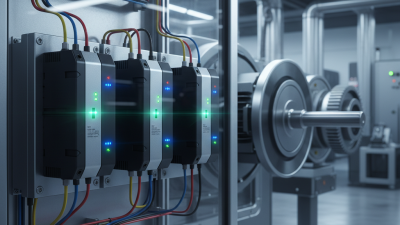
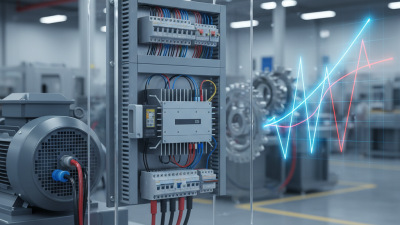
Soft Starters play a vital role in controlling electric motors. They help reduce the initial surge of current during motor start-up. This function minimizes mechanical stress on equipment and decreases energy consumption. In many applications, the smooth acceleration provided by soft starters can prolong the lifespan of motors and connected systems.
The functionality of a soft starter relies on its ability to gradually increase voltage. This step-up method leads to a controlled rise in speed. Users benefit from reduced noise and wear during operation. A reputable Soft Starter Working Supplier understands these nuances. They can provide insights and solutions tailored to specific applications.
Yet, selecting the right soft starter is not always straightforward. Different setups may require varying approaches to starting. Some users may overlook the importance of voltage compatibility and the specific requirements of their motors. It's essential to understand these aspects for optimal performance. A well-informed decision can save time and resources in the long run.
Current Trends in Soft Starter Technology for 2026
The soft starter technology is evolving rapidly in 2026. Current trends favor energy efficiency and compact designs. Manufacturers leverage advanced materials for thermal management. These innovations contribute to longer operational lifespans. Reliability becomes essential as industries demand dependable performance. Industries are also focusing on integrated features. Digital interfaces and smart controls improve user experience. End-users want easy integration with existing systems.
Market feedback suggests a push for enhanced safety features. Fail-safes are increasingly common. Users appreciate technology that minimizes risk. Manufacturers are responding with improved sensor technology. These sensors help monitor performance in real-time. Data analytics further enhances operational decisions.
There remains a challenge in balancing cost and innovation. High-quality soft starters can be pricey. Not all industries can afford the latest technology. Additionally, some features may not be necessary for all applications. This gap calls for careful consideration. End-users need to reflect on their actual needs versus wants. Thoughtful evaluation is key to making informed choices.
Key Features to Look for in Soft Starters
When searching for the best soft starters in 2026, consider key features that maximize efficiency. A reliable soft starter should offer smooth motor control, reducing stress during start-up. This leads to increased equipment lifespan and decreased maintenance costs. Look for models that allow configurable start parameters. Customization ensures that your specific application needs are met effectively.
Overload protection is another critical feature. It safeguards motors from overheating, which is vital for prolonged usage. Soft Starters should also provide real-time diagnostics. Early detection of issues prevents costly downtime. Many users overlook this feature, but it is crucial for ensuring reliability.
Compatibility with various motor types is essential. Ensure the soft starter you consider can handle both single-phase and three-phase motors. Not all units provide this flexibility. Ask your Soft Starter Working Manufacturer about integration with existing systems, as compatibility can save future costs and extend the lifespan of your machinery. Having these attributes in your soft starter choices can lead to better operational efficiency.
Top Soft Starter Brands for Global Buyers in 2026
The soft starter market is evolving rapidly, with significant developments anticipated by 2026. Industry reports indicate that this sector is projected to grow at a CAGR of 6.5% over the next few years. The demand for energy-efficient and reliable soft starters is driving this growth. A focus on automation and enhancing operational efficiency is critical for manufacturers.
Top soft starter brands are enhancing their portfolios to cater to global buyers. They are integrating advanced technologies such as IoT and smart connectivity. According to recent surveys, over 75% of industrial leaders cite reliability as a key factor in purchasing decisions. This indicates a shift toward brands that offer proven performance and reduced downtime. However, many users still report issues with compatibility and installation, highlighting areas for improvement.
User feedback is critical for soft starter innovation. Many buyers express frustration regarding insufficient support. The gap between product features and user experience must be addressed. Brands that prioritize customer service and user education will likely lead the market. The industry must adapt to feedback to meet evolving demands effectively. Balancing innovation with practical application remains a challenge for current and future players.
Comparison of Soft Starter Solutions: Pros and Cons
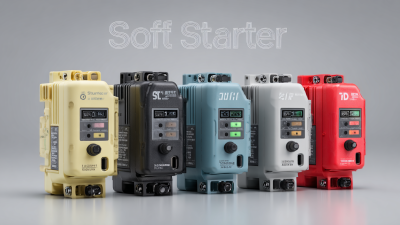
In 2026, global buyers looking for soft starters must weigh various solutions seriously. Soft starters are vital for reducing the inrush current of electric motors. This helps in protecting electrical components and prolonging equipment life. According to recent industry reports, a well-selected soft starter can improve energy efficiency by up to 20%.
However, not all soft starter solutions are created equal. Some may offer extensive features, such as advanced control methods, but at a higher cost. Others are more basic but lack essential functionalities. For instance, some devices provide limited overload protection, which can lead to motor damage. A study highlighted that soft starters with better thermal management significantly reduce operational failures, yet they tend to be more expensive.
Consideration of user interface is also crucial. Some models provide simple settings, enhancing ease of use. Meanwhile, others have complex configurations that may frustrate users. Statistically, around 30% of users reported difficulty in operating sophisticated soft starters. This shows a need for balance in feature richness versus user-friendly design. Buyers should evaluate their specific requirements objectively, as over-specification can lead to inefficiencies.
Comparison of Soft Starter Solutions: Pros and Cons
Market Forecast: The Future of Soft Starters in Global Trade
As we move into 2026, the soft starter market is expected to undergo significant transformations. The demand for soft starters is increasing across various sectors. Industries are prioritizing energy efficiency and equipment longevity. This trend reveals a growing awareness of the benefits of smooth motor startups.
The Soft Starter Working Factory plays a crucial role in this evolution. These factories focus on creating reliable and advanced soft starters. They utilize cutting-edge technology to enhance performance. However, challenges persist. Many manufacturers face quality control issues during production. Ensuring consistency while innovating can be tough.
Furthermore, the global supply chain continues to be unpredictable. This uncertainty can lead to fluctuating prices and availability. Buyers are advised to stay informed about market trends. They should engage with knowledgeable suppliers. Understanding the features of soft starters can pave the way for better investments. In an ever-changing landscape, being proactive is essential for success.
Best Practices for Implementing Soft Starters in Various Industries
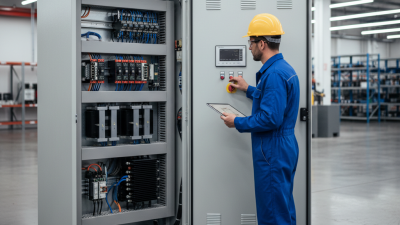
Implementing soft starters can significantly impact industries by improving efficiency and reducing mechanical stress. It is essential to choose the correct specifications for various applications. For example, in manufacturing, proper selection lowers energy consumption during startup. This reduction in energy directly affects overall costs and extends the lifespan of the machinery.
Tips: Always assess your existing equipment and consider current load requirements. This helps in selecting a soft starter that matches your factory's needs. Underestimating load could lead to failures.
In the field, continual monitoring is crucial. It helps in understanding the soft starter's performance in different conditions. Each Soft Starter Working Factory faces unique challenges, and learning from operational data is vital. Regular maintenance schedules can mitigate issues before they escalate.
Tips: Utilize performance analytics to track system behaviors and potential inefficiencies. Sharing best practices among teams fosters improvement and innovation. Don't hesitate to adjust strategies as new challenges arise.
FAQS
: Trends include energy efficiency, compact designs, and advanced materials for better thermal management.
Industries demand dependable performance. Reliable soft starters ensure consistent operations and reduced downtime.
Users prefer integrated features, digital interfaces, and smart controls for easier integration with existing systems.
Enhanced safety features like fail-safes and advanced sensors help minimize risks and monitor performance.
High-quality soft starters come with higher prices. Some industries may struggle with affording the latest technology.
Assess existing equipment and current load requirements to select an appropriate soft starter that meets specific needs.
Regular monitoring helps understand performance and identifies potential issues before they become serious problems.
Performance analytics track system behaviors, enabling quick adjustments and fostering team collaboration for improvement.
Yes, it's crucial to adapt strategies as new challenges arise and based on operational data insights.
Regular maintenance schedules are essential to prevent issues from escalating and ensure optimal performance.
Conclusion
The article "Best Soft Starter Working Solutions for Global Buyers in 2026" provides an in-depth exploration of soft starters, their definition, and functionality in the industrial context. It highlights the latest trends in soft starter technology, emphasizing advancements that enhance efficiency and performance. Key features to consider when choosing a soft starter include voltage range, control methods, and additional functionalities that improve user experience.
Furthermore, the article presents a balanced comparison of various soft starter solutions, discussing their pros and cons to aid buyers in decision-making. Looking ahead, it offers a market forecast for the future of soft starters in global trade, underscoring the growing demand across multiple industries. Best practices for implementing soft starters are also outlined, ensuring optimized performance and reliability. Overall, the insights provided serve as a valuable guide for understanding and selecting effective soft starter working solutions for 2026.