Leave Your Message
0%

Picking the best Soft Starter from China isn’t just about comparing prices, specs, or snagging the most eye-catching product photos. When it comes to air conditioning systems, the real deal is figuring out whether aSoft Start For Ac Compressor can ease the startup stress without messing with the protection, cooling efficiency, or long-term reliability.

According to the International Energy Agency’s report, "The Future of Cooling," global energy demand for space cooling could more than triple by 2050. That kind of pressure really puts a spotlight on how important efficient compressor control is. The U.S. Department of Energy also highlights motor starting and efficiency as key practical concerns when it comes to building equipment. During startup, a compressor can draw several times its normal running current—kind of like a big power surge. That can cause dips in voltage, wear out contacts, trigger nuisance trips, and even make lights flicker in your workshop.

Honestly, it’s often the little things that count.

A good Chinese supplier should be able to provide verified data on how well their soft starter reduces startup current, handles thermal limits, performs bypass functions, offers enclosure protection, and works with different types of compressors—whether scroll, rotary, or reciprocating. Brands like Schneider Electric, Eaton, and Emerson are known for transparent specs that make choosing the right product a lot easier—though, even then, it’s always worth doing a field test, just to be sure. Relying on lab numbers alone can be misleading because things like cable length, ambient temperature, refrigerant pressure, or generator size can all impact actual performance.

In this piece, I want to walk you through how to evaluate Chinese-made Soft Starters by looking at concrete evidence—think test reports, IEC standards, warranty details, and after-sales support. Plus, I challenge a common misconception: just because a soft starter has the lowest starting current doesn’t automatically mean it’s the best choice. A device that overheats in a crowded control panel is probably not a smart buy, even if it’s cheaper. The right option really depends on the specific compressor, voltage stability, climate conditions, and the skills of the installer.

Ultimately, it’s about seeing product claims backed by real-world testing—because what works in the lab doesn’t always hold up in your actual setup.
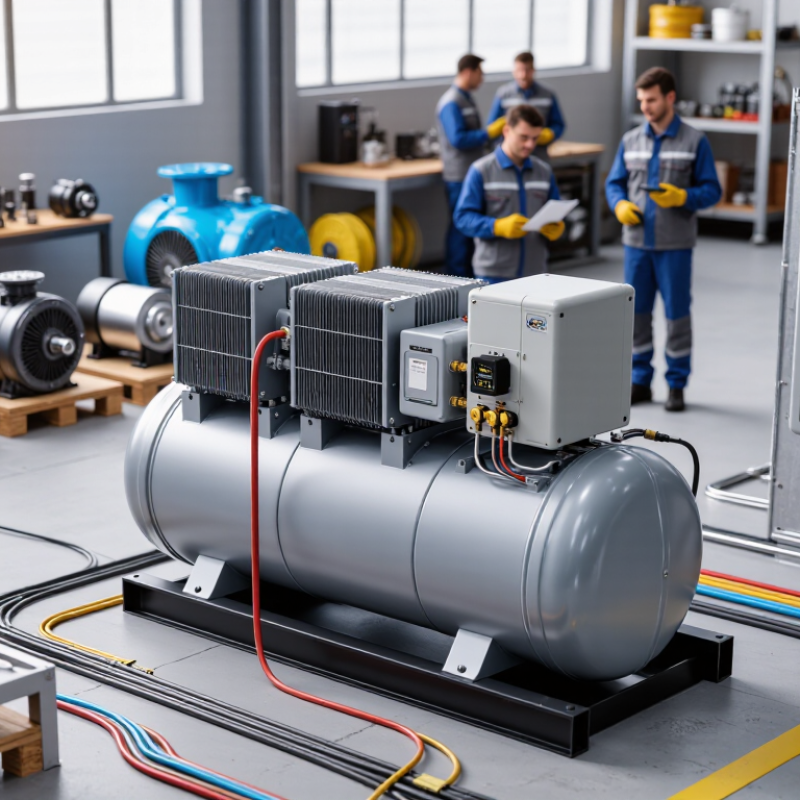
China Best Soft Start for AC Compressors?

What Is a Soft Starter for an AC Compressor?

A soft starter for an AC compressor is an electrical device that reduces the heavy current surge during startup. A compressor motor can briefly draw several times its normal running current. This surge may dim lights, trip breakers, or stress small generators.

The soft starter gradually increases voltage through electronic switching components. The motor then accelerates more smoothly, instead of starting with a sharp mechanical jolt. This can reduce wiring stress, contact wear, and vibration in some systems. It does not control cooling capacity like a variable-speed drive. That difference matters.

In field installations, technicians usually check the compressor’s rated current, locked-rotor current, voltage, phase, and starting method. A soft starter must match the motor and its operating conditions. An enclosure near a hot condenser needs suitable heat protection. Poor sizing can cause nuisance trips or excessive heating. Not every compressor benefits equally.

I have seen installations where a soft starter reduced startup problems, but the real fault was an undersized cable. That mistake is easy to miss. Measurement matters.

A clamp meter, voltage test, and manufacturer-approved wiring diagram provide stronger evidence than appearance alone. Installation should follow local electrical requirements and be performed by a qualified professional.

How Soft Starters Improve Compressor Motor Performance

Choosing the best soft start for an AC compressor is less about origin and more about measured motor performance. A Compressor Soft Start reduces voltage surge during startup, helping lower inrush current and mechanical shock. In field checks, this can mean steadier generator operation and fewer dimming lights when a large air conditioner starts. It does not increase cooling capacity. Its value appears during the first few seconds of every cycle. Different compressors respond differently, especially older units with worn capacitors or high head pressure.

Tips: Match the device to the compressor’s rated load, voltage, phase, and locked-rotor current. Ask for tested startup readings, not only catalog claims. Confirm whether a bypass contactor is included. Check if the enclosure suits heat, dust, and moisture. A qualified electrician should inspect terminals, grounding, and protection settings. Leave room for airflow. Small installation errors matter.

A reliable soft starter should create a controlled ramp without making the compressor hesitate or retry. Listen for a clean start, then compare clamp-meter readings before and after installation. Record ambient temperature, supply voltage, and startup current, because one test can mislead. I have seen promising results weaken during hot afternoons when voltage dropped. That detail matters. Proper sizing remains more important than a low purchase price. Review service access and documentation before choosing equipment from any market, including China. Performance should be proven on-site, not assumed from a label.

China Best Soft Start for AC Compressors? - How Soft Starters Improve Compressor Motor Performance

Generic engineering comparison of common starting methods for three-phase AC compressor motors

Performance Dimension Across-the-Line Starting Soft Starter Variable Frequency Drive
Starting Voltage Applies nearly full line voltage immediately. Ramps voltage gradually using controlled solid-state power electronics. Builds voltage and frequency progressively during acceleration.
Typical Starting Current Commonly about 5–8 times the motor full-load current, depending on motor design and load. Often adjustable to approximately 2–5 times full-load current, subject to compressor torque and ramp settings. Commonly controlled to approximately 1.0–1.5 times rated current when correctly sized and configured.
Mechanical Starting Stress Highest starting shock because torque is applied rapidly. Reduced coupling, belt, shaft, and mounting stress through controlled acceleration. Very low when the acceleration profile is properly matched to the compressor.
Voltage Dip on Supply More likely to cause a noticeable voltage sag, especially on weak electrical networks. Reduces supply disturbance by limiting inrush current during motor acceleration. Generally provides the lowest starting current and the smallest voltage disturbance.
Acceleration Control No adjustable acceleration profile; motor accelerates according to the line and load. Adjustable ramp-up time and initial voltage; some models also provide current limiting. Provides precise control of acceleration, speed, frequency, and torque.
Compressor Speed During Normal Operation Runs at approximately the fixed utility frequency and motor speed. Normally runs at full line frequency after startup; it does not provide continuous speed control. Can vary motor speed to match cooling demand when the compressor is approved for variable-speed operation.
Energy-Saving Potential Limited to the motor's normal operating efficiency. Usually offers little energy saving during steady-state operation; its main benefits are smoother starting and reduced stress. May reduce energy use at part load by lowering compressor speed, provided the system and compressor support modulation.
Power Factor During Normal Running Determined mainly by the motor and operating load. Generally similar to direct line operation after bypass or full-voltage running; startup power factor behavior depends on the design. Input power factor depends on the drive's rectifier and filtering arrangement; displacement and distortion components should be evaluated.
Starting Time Typically short, but the exact time depends on motor inertia, compressor load, and supply conditions. Adjustable; a practical initial setting is often several seconds, but the compressor manufacturer’s requirements must take priority. Precisely adjustable and commonly set to provide a smooth acceleration profile.
Protection Functions Usually requires separate overload, short-circuit, and phase-monitoring devices. May include overload, phase loss, current imbalance, undercurrent, overtemperature, and locked-rotor protection, depending on the model. Often includes extensive motor and drive protection, but settings must be coordinated with compressor operating limits.
Compatibility With Hermetic Compressors Widely used when the compressor and electrical system are correctly rated. Suitable for many three-phase induction-motor compressors when the starter supports the compressor’s starting torque and bypass requirements. Only suitable when the compressor, motor insulation, lubrication system, and refrigeration controls are approved for inverter operation.
Installation Complexity Low
Simple motor-starter arrangement.
Moderate
Requires correct current rating, ramp settings, bypass arrangement, and coordination with protection devices.
Higher
Requires attention to grounding, cable length, EMC, harmonic effects, motor compatibility, and control integration.
Best-Fit Application Systems with a strong electrical supply, low switching frequency, and minimal concern about mechanical shock. Fixed-speed compressors that need lower inrush current, smoother acceleration, and reduced mechanical stress without continuous speed control. Variable-capacity refrigeration or HVAC systems where energy optimization and compressor-speed control are required.
Important Selection Criteria Motor full-load current, locked-rotor current, breaker capacity, and available short-circuit current. Motor full-load current, required starting torque, compressor duty cycle, ramp time, bypass rating, enclosure environment, and restart requirements. Motor data, minimum and maximum speed, compressor lubrication, cooling requirements, harmonic limits, EMC conditions, and manufacturer approval.
Engineering Note: The numerical ranges shown are typical industry values rather than guaranteed results. Actual starting current, ramp time, torque, temperature rise, and energy performance depend on compressor type, motor design, refrigerant pressure equalization, ambient conditions, supply impedance, starter settings, and applicable electrical standards. Always size and configure the soft starter according to the compressor and motor manufacturer’s technical data.

Key Features of the Best Chinese Soft Starters

The best Chinese soft starter is defined by application fit, not appearance. For a Soft Start For Air Compressor, controlled acceleration reduces inrush current and mechanical shock. Silicon-controlled rectifiers should provide adjustable voltage ramps and current limits. A built-in bypass contactor can reduce heat after starting. This matters in dusty compressor rooms.

The U.S. Department of Energy reports that compressed air can consume about 10% of industrial electricity. Its compressed-air guidance also identifies leakage and poor controls as major efficiency losses. Therefore, reliable starters need phase-loss protection, overload protection, stall detection, and clear fault records. Compliance with IEC 60947-4-2 supports safer integration. Modbus communication is useful, but only when maintenance teams actually use it. A glossy specification sheet can mislead.

Tips: Check the motor’s rated current, starting frequency, enclosure rating, and ambient temperature before selecting a unit. Test the ramp with the compressor unloaded. Then test under pressure. Do not assume the smallest starter is the most efficient. In practice, an oversized unit may waste cabinet space, while an undersized unit may trip during cold starts. Review voltage imbalance too; it is often overlooked. The best Chinese supplier should provide test records, wiring guidance, and responsive technical support. Some product manuals remain vague, which deserves careful questioning.

How to Choose a Soft Starter for an AC Compressor

Choosing a soft starter for an AC compressor requires more than matching voltage. In field inspections, technicians often check rated current, locked-rotor current, and starting frequency. Confirm the supply voltage, phase type, and motor connection before comparing models. A starter sized only by running amps may trip during a cold morning start. That mistake is common.

Look for adjustable ramp and current-limit settings. A five-second ramp is not automatically better. Some compressors need a faster rise to avoid stalled operation. Ask about rated duty, overload protection, and allowed starts per hour. A built-in bypass contactor reduces heat after startup. For single-phase compressors, confirm compatibility with the starting relay and capacitor arrangement. Many soft starters support only three-phase motors. This detail is easy to miss.

During commissioning, record starting current with a clamp meter. Check voltage sag at the compressor terminals. Listen for delayed pressure equalization or repeated restarting. I prefer leaving adjustment notes inside the electrical panel. They help the next technician. Online sizing tables are useful, but they cannot replace the compressor manual or measured testing. I once trusted a “universal” setting and had to revise it after observing unstable startup. Consider ambient temperature, cable length, load pressure, enclosure ventilation, and service conditions before final selection. Measure it carefully.

Installation and Compatibility Requirements

China Best Soft Start for AC Compressors?

Choosing a soft start for an air conditioner begins with electrical compatibility, not price. Check the compressor voltage, phase, frequency, rated current, and locked-rotor current. A 230-volt single-phase unit cannot replace a three-phase model. The soft start must also support the compressor’s starting profile. This detail is often overlooked.

Installation should follow the compressor and controller manuals. A qualified electrician should inspect conductor size, grounding, disconnect ratings, and terminal tightness. Leave enough space for airflow around the enclosure. Heat inside a crowded control box can shorten service life. Keep signal wires away from high-current cables when possible. Small mistakes matter.

Ask a Compressor Soft Start Supplier for verified compatibility data, wiring diagrams, and test conditions. Confirm whether the device supports scroll, rotary, or reciprocating compressors. Check its bypass method, overload protection, ambient temperature range, and restart delay. The air conditioner may still need a correctly sized circuit breaker and surge protection. A soft start reduces starting current; it does not fix an undersized supply.

Test the system after installation. Record starting current, voltage drop, operating current, and unusual noise. The first test may look acceptable while hidden heat builds later. I have seen installation plans focus on current reduction and ignore enclosure temperature. That approach needs reconsideration. Compatibility should be proven under realistic load conditions, including hot weather and repeated starts.

Comparing Chinese Soft Starters with Global Alternatives

When selecting a soft starter for an AC compressor, price should not lead the decision. A typical scroll or screw compressor can draw several times its rated current during startup. That surge may dim lights, trip protection, or stress contactors. The U.S. Department of Energy’s Motor Systems Market Assessment (2021) estimates motor-driven systems consume 69% of U.S. industrial electricity. Starting control therefore deserves engineering attention, even when it does not reduce running power.

Chinese soft starters often compete through shorter customization cycles, broad voltage options, and lower purchase costs. A capable Compressor Soft Start Manufacturer should provide starting-current records, thermal calculations, bypass-contactor ratings, and fault-history access. Global alternatives may offer stronger field-service networks and longer application histories. Yet origin alone proves little. Compliance with IEC 60947-4-2, verified overload settings, and tested motor compatibility matter more. Ask for tests at low temperatures, repeated starts, and unstable supply conditions. Real sites are rarely gentle.

Field experience also exposes a limitation: a soft starter controls acceleration, but it cannot replace correct compressor sizing or power-quality design. It may not solve low-voltage faults caused by undersized cables. The IEA’s Energy Efficiency 2023 report connects industrial efficiency gains with better motor-system management, not one device alone. That is easy to forget. Chinese and global products should be compared through total cost, service response, documentation, and measured starting current. My preference remains cautious: review the test evidence first, then negotiate the price.

FAQS

What does a soft starter do for an air compressor?

It gradually increases motor voltage, reducing inrush current and mechanical shock. Startup becomes gentler.

Which protections should a reliable soft starter include?

Look for phase-loss, overload, stall, and voltage-imbalance protection. Clear fault records also help technicians find problems.

Why is a built-in bypass contactor useful?

It can reduce heat after startup. This matters in dusty compressor rooms with limited cabinet cooling.

How should I select the correct starter size?

Check motor current, starting frequency, enclosure rating, and ambient temperature. The smallest unit is not always the best choice.

How should compressor startup performance be tested?

Test the ramp with the compressor unloaded. Then repeat the test under pressure and during cold conditions.

What evidence should a supplier provide?

Request starting-current records, thermal calculations, wiring guidance, and bypass-contactor ratings. Technical support should respond clearly.

Is communication through an industrial network necessary?

It is useful when maintenance teams monitor data regularly. Otherwise, it may add cost without practical value.

Can a soft starter reduce all compressor energy losses?

No. It controls acceleration, but it cannot fix leaks, poor compressor sizing, undersized cables, or weak power quality.

How should products from different regions be compared?

Compare tested motor compatibility, safety compliance, service response, documentation, and total cost. Country of origin proves little.

What common selection mistake deserves more attention?

Do not trust a polished specification sheet alone. I would ask for repeated-start and unstable-supply test results. Real sites are rarely gentle.

Conclusion

A Soft Start For Ac Compressor is a control device designed to reduce the high electrical current and mechanical stress that occur when a compressor motor starts. By gradually increasing voltage, it helps the motor reach operating speed more smoothly, reducing voltage dips, noise, vibration, and wear on components. This can improve system stability, extend equipment service life, and support more efficient operation in residential, commercial, and industrial air-conditioning systems.

When selecting a soft starter, consider the compressor’s rated voltage, power, phase configuration, starting current, motor type, enclosure rating, and required protection functions. Important features may include adjustable ramp-up time, overload protection, temperature monitoring, bypass operation, fault indicators, and compatibility with existing control systems. Installation should follow the equipment manufacturer’s specifications and be completed by a qualified professional. Chinese soft starters can offer practical performance, flexible configurations, and competitive value, while global alternatives may provide different levels of documentation, service, and advanced control options.

Noah

Noah

Noah is a dedicated marketing professional at Zhejiang Luoka Electric Co., Ltd., where he leverages his extensive knowledge of the company's innovative products to enhance brand visibility and drive customer engagement. With a strong focus on electrical devices, Noah meticulously crafts insightful......
Previous How to Find China Top Auto Soft Start Suppliers?