You know, as more industries are looking for smarter ways to control motors efficiently, the market for Motor Soft Starters is really picking up speed. I recently came across a report from MarketsandMarkets that predicts this market will hit around USD 2.5 billion by 2026, growing steadily at about 6% annually. It’s pretty clear that this growth is fueled by the rise in industrial automation and the push for energy-saving solutions that we’re seeing everywhere nowadays.
So, what exactly do Motor Soft Starters do? Well, they help reduce that massive surge of current when motors start up and also lessen the mechanical stress, which means their lifespan tends to improve. Big players like Schneider Electric and Siemens are really pushing the envelope here, bringing in some pretty innovative tech that makes these starters more reliable and efficient. But here’s the catch—buyers often get stuck choosing the right one. Tons of products out there claim to be super efficient, but honestly, many lack real-world performance data or solid customer reviews, making it tricky to tell which really works.
That’s why, when you're trying to pick the best motor soft starter, it’s super important to think about a few things. Things like whether it’s cost-effective, fits well with your existing setup, and if the manufacturer offers good support. All these factors matter a lot because the options can be pretty overwhelming. Getting into the specs and performance details can help a lot, so you’re not just guessing. Taking these points seriously will help both companies and buyers get the best results in what they’re trying to achieve — life gets easier when you’re informed, right?
2026 Market Overview for Motor Soft Starters: Global Trends and Insights
The global motor soft starter market is experiencing significant changes in 2026. Buyers are increasingly looking for efficient solutions to manage motor operations. These devices are essential in controlling the starting current of a motor, particularly for a 3 Phase Induction Motor Soft Starter. An effective soft starter reduces stress on electrical components and enhances the overall durability of the motor.
It is crucial for buyers to analyze market trends. The integration of IoT and smart technologies is gaining traction. This advancements allow for better monitoring and control, enabling users to optimize performance. However, not all products provide the same level of reliability. It’s vital to do thorough research before purchasing. Ensuring that the chosen starter is compatible with existing systems is a common concern.
Tips: Consider the installation requirements and the size of the motor. Evaluate the starter’s functionality in varied environments. Look for options that offer energy savings, but don't overlook the importance of service and support. Even established products may have limitations that warrant reconsideration. Take the time to explore user reviews and technical specifications before making a decision.
2026 Best Motor Soft Starter Options for Global Buyers
| Feature | Specification | Market Segment | Price Range (USD) | Application |
| Voltage Rating | 230V - 690V | Industrial | 300 - 1500 | Pumps, Fans |
| Control Method | Soft Start/Stop | Commercial | 400 - 2000 | Conveyors |
| Phase | Single and Three Phase | Agricultural | 250 - 1200 | Mixers, Crushers |
| Built-in Protection | Overload, Phase Loss | Mining | 500 - 2500 | Drills, Crushers |
| Size | Compact and Standard | Construction | 350 - 1800 | Lifts, Elevators |
Key Features to Consider When Selecting a Motor Soft Starter
When selecting a motor soft starter, several key features warrant attention. First, consider the voltage and current ratings. Most soft starters operate under a range of 230V to 690V. A good soft starter should match the specific requirements of your motor. This ensures optimal performance and reduces the risk of electrical overload. According to a recent industry report, over 50% of motor failures are linked to improper electrical connections.
Another crucial aspect is the control options. Look for models offering both voltage ramp and current limit settings. These features enhance control during start-up and reduce mechanical stress on the motor. Many companies report a significant decrease in maintenance costs after integrating advanced soft starters. A comprehensive study indicates that using programmable logic controllers (PLCs) with soft starters can yield energy savings of 30% or more.
Monitoring capabilities also play a vital role. Soft starters equipped with diagnostic features allow users to track performance in real-time. This empowers maintenance teams to act quickly on potential issues. Unfortunately, not all models provide robust monitoring features. Regular assessments of soft starters against performance metrics are essential. Ignoring these can lead to unforeseen downtime. The need for reliable technology cannot be overstated, especially in critical industrial applications.
Top 5 Motor Soft Starter Manufacturers for 2026: A Comparative Analysis
In the fast-evolving landscape of motor control, motor soft starters are becoming essential for various applications. The growth in demand for energy-efficient equipment drives innovation among manufacturers. Leading industry reports indicate that the global market for soft starters is projected to reach $3 billion by 2026, reflecting a compound annual growth rate (CAGR) of 6.5% from 2021 to 2026.
When analyzing the top motor soft starter manufacturers, several key players stand out due to their technological advancements and market strategies. Companies offering Soft Starter For Three Phase Induction Motor have embraced digital solutions, enhancing user control and operational efficiency. A recent study highlighted that 70% of users reported improved system reliability after switching to advanced soft starters.
However, issues still arise in integration and compatibility with existing systems. Some operators reported difficulties in aligning new soft starters with older motor designs. This presents a challenging scenario for manufacturers. They must ensure their products meet a wide range of operational demands while maintaining simplicity in installation. Ongoing research is vital to address these gaps and develop solutions that provide both power efficiency and user-friendly features.
2026 Best Motor Soft Starter Options: A Comparative Analysis
Technical Specifications of Motor Soft Starters: Power Ratings and Efficiency
When selecting a Soft Start Motor Starter, understanding technical specifications is crucial. The power rating of a soft starter significantly affects its efficiency and overall performance. Generally, these devices handle power ranges from a few kilowatts up to several megawatts, catering to various applications. According to recent industry reports, a well-configured soft starter can improve energy efficiency by up to 30%. This reduction in energy consumption is vital for industries looking to cut costs and enhance sustainability.
Efficiency is another critical factor when evaluating soft starters. Modern devices often achieve efficiency rates exceeding 95%, minimizing waste during the start-up phase. However, factors such as thermal management and component quality can influence these numbers. Reports indicate that improper setup can lead to inefficiencies, sometimes dropping performance to less than 80%. It's essential to address these challenges by considering the unique needs of each application and matching them with appropriate technology.
Many global buyers overlook the finer details of motor soft starters. Factors such as surge current limits and thermal protection mechanisms are often neglected. A robust soft start motor starter minimizes inrush currents, protecting equipment and extending its lifespan. Ensuring that these parameters align with application needs is essential. In this ever-evolving market, buyers must remain vigilant to avoid common pitfalls and ensure they choose the best options available.
Impact of Soft Starters on Energy Consumption and Cost Savings in Industries
Industries are increasingly focusing on energy efficiency and cost savings. Soft starters play a crucial role in this transition. By controlling the start-up voltage of electric motors, they reduce the inrush current. This initial surge can be harmful and costly. A Soft Start Motor Starter 3 Phase often leads to smoother operations, which can lessen wear and tear on equipment.
Many industries have reported significant energy savings after integrating soft starters. The reduction in energy consumption is not just theoretical; it translates into tangible financial benefits. Facilities noticed lower electricity bills. However, the initial investment in soft starters can be high. Companies must weigh costs against potential savings. It's essential to analyze long-term benefits versus upfront expenses.
The environmental impact cannot be ignored. Soft starters contribute to reduced carbon footprints. Yet, some may overlook this aspect. Implementing these systems requires a change in mindset. Regular assessments reveal that not all industries maximize potential energy savings. Understanding the technology is vital for overcoming challenges. The adoption of a Soft Start Motor Starter 3 Phase can propel industries towards sustainable practices, benefiting both the economy and the environment.
Future Innovations in Motor Soft Starter Technology and Upcoming Trends
The motor soft starter market is rapidly evolving, driven by technological innovations. Analysts predict a growth rate of 5.6% annually over the next five years. This surge is attributed to the increasing demand for energy efficiency and cost-effectiveness in industrial applications. Companies are now exploring advanced features like digital control interfaces and predictive maintenance technologies.
Recent reports highlight the shift towards integration with Internet of Things (IoT) systems. Soft starters equipped with IoT capabilities enhance real-time monitoring and data analysis. These systems also promote proactive decision-making. Despite these advancements, some concerns remain. The complexity of these technologies may deter adoption in smaller operations. Additionally, users often overlook the importance of training for effective utilization.
The future landscape for motor soft starters includes hybrid models that combine soft starters and variable frequency drives. Such innovations promise enhanced performance and versatility. However, the cost implications of these advanced systems can be significant, prompting users to carefully evaluate their investments. Balancing innovation with practical application remains a pressing challenge for many industries.
Global Regulations and Standards Affecting Motor Soft Starter Selling in 2026
In 2026, global regulations impacting motor soft starters will shape how they are designed and sold. Compliance with standards like IEC and UL is crucial. Manufacturers must adapt to these guidelines to ensure safety and efficiency. These regulations often change, demanding continuous attention from industry players. Failure to comply can result in product recalls or legal challenges.
The need for energy efficiency is pushing innovation in soft starter technology. Regulations often focus on reducing energy consumption during startup. This is essential for industries looking to lower operational costs and meet environmental goals. As countries tighten regulations, manufacturers must stay informed. Navigating these changes requires expertise and a proactive approach to development.
However, balancing compliance with performance can be challenging. Some companies may prioritize cost savings over quality. This can lead to subpar products entering the market. Regular training and updates about regulations are necessary for teams involved in soft starter production. Ultimately, staying compliant while maintaining product integrity is an ongoing process that requires reflection and adjustment.
Maximizing Efficiency: The Benefits and Features of China LCR-G10 Zhigao Series High Voltage Solid State Soft Starter Panels
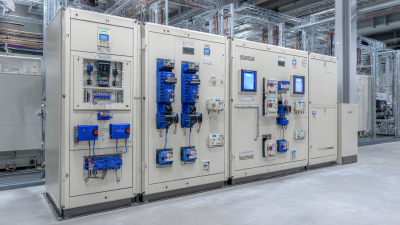
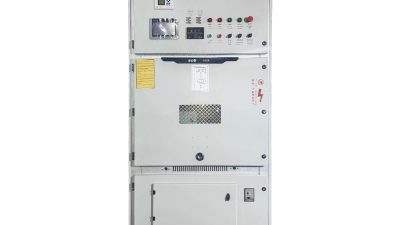
The LCR-G10 Zhigao series high voltage solid state soft starter panel represents the pinnacle of efficiency in modern electrical systems. Designed with an ARM-32 bit high-performance microprocessor, this panel significantly enhances processing accuracy and speed, making it an indispensable component for various high voltage applications. Its advanced features ensure that operations run smoothly, providing the reliability that industries demand while also maximizing energy savings.
Manufactured in China, the LCR-G10 combines robust engineering and cutting-edge technology to deliver consistent performance for a range of applications. These panels are engineered to withstand the rigorous demands of high voltage environments, ensuring that machinery operates at optimal levels with minimized wear and tear. Users can expect high-quality solutions that provide effective control over electrical systems, thereby enhancing overall operational efficiency and prolonging the lifespan of equipment.
FAQS
: Motor soft starters control the start-up voltage of electric motors. They help reduce inrush currents.
They lead to smoother operations, reducing wear and tear on equipment. Many report significant energy savings after integration.
Facilities notice lower electricity bills. However, the initial investment may be high, requiring careful cost analysis.
Yes, some operators face challenges integrating new soft starters with older motor designs. This can complicate installations.
They help decrease carbon footprints. Yet, not all industries prioritize environmental benefits, limiting potential results.
Research helps address integration issues and improves user-friendly features. It also supports innovations in power efficiency.
Not necessarily. Regular assessments show some industries overlook potential savings, indicating a need for better understanding.
About 70% of users notice improved system reliability. However, these advancements may not suit every operational scenario.
It requires recognizing the long-term benefits. A change in perspective can often lead to better utilization of energy-saving technologies.
Conclusion
The article titled "2026 Best Motor Soft Starter Options for Global Buyers" provides a comprehensive overview of the motor soft starter market, highlighting key global trends and insights for the year ahead. It emphasizes the essential features buyers should consider, such as power ratings and efficiency, which play a crucial role in selecting the right motor soft starter for various industrial applications.
Additionally, the article examines the impact of motor soft starters on energy consumption and cost savings, revealing the growing significance of these devices in enhancing operational efficiency. It also explores future innovations in technology and the regulatory landscape shaping the market, ensuring that global buyers are informed about the standards and practices that will affect their purchasing decisions in 2026. Overall, the piece serves as a guide for those looking to make informed choices in the evolving motor soft starter industry.