When it comes to industrial automation, using an Automatic Soft Start really makes a difference—it's vital for making equipment last longer and run more smoothly. Dr. John Whitmore, a top expert in automation tech at Tech Solutions, puts it well: "In today’s world, adding a Soft Start isn’t just a bonus, it’s pretty much a must-have for managing modern machinery." Basically, this highlights how these soft starting systems help reduce the mechanical stress during startup, which means fewer worn-out motors and a longer lifespan overall.
You really see how crucial the right Automatic Soft Start solutions are across various industries. Starting up big motors can cause huge electrical surges and mechanical shocks, which aren’t great for the equipment. When things run smoothly, productivity tends to spike, and you also save on maintenance costs and keep downtime at bay. Thanks to smarter soft start tech nowadays, operators can tweak the startup process to match exactly what their equipment needs—leading to better performance right from the get-go.
In this article, we’re going to take a look at the best Automatic Soft Start options out there today—covering their perks, where they’re used, and the latest innovations happening in the field. By digging into these strategies, companies can better handle the hurdles of modern industrial work while making sure their gear runs reliably and efficiently.
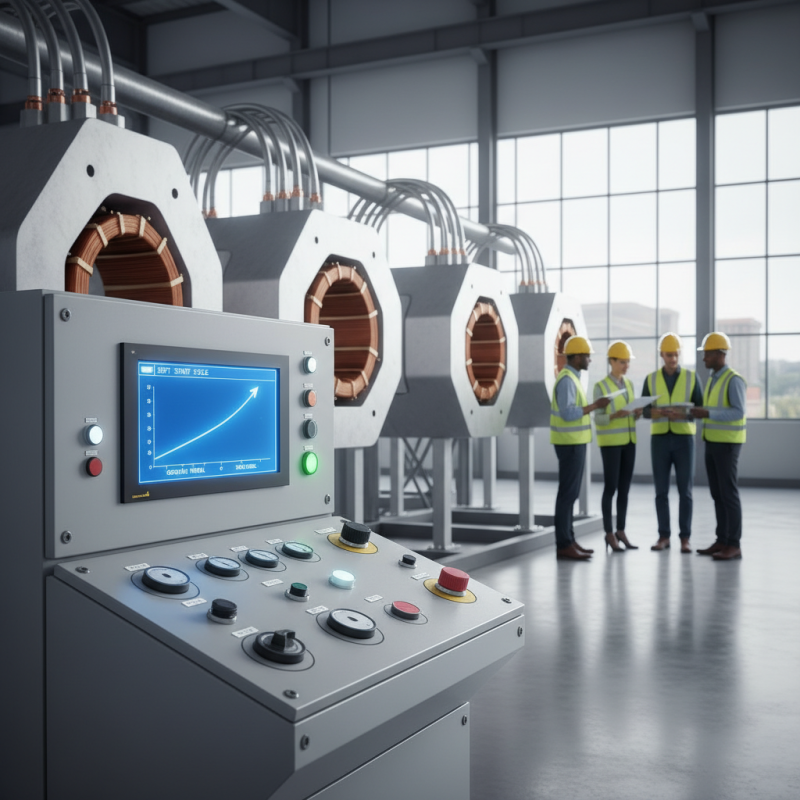
Automatic soft start technology is a crucial advancement in the operation of equipment, particularly in industrial and commercial settings. It enables a gradual ramp-up of electrical power to motors and other machinery, reducing the abrupt surge that often occurs with traditional starting methods. This controlled approach minimizes stress on mechanical components and electrical systems, leading to longer equipment lifespan and reduced maintenance costs. As a result, businesses can experience enhanced reliability, making it a favorable option for various applications.
The benefits of automatic soft start technology extend beyond mere equipment longevity. By mitigating the initial power surge, it also helps lower energy consumption, which not only reduces operational costs but also minimizes the risk of tripping circuit breakers during startup. Furthermore, this technology improves overall system performance by ensuring consistent and smooth operation, which is vital for processes that require precision.
In addition, many Soft Starters come equipped with features likeoverload protection and adjustable settings, providing users greater control and adaptability to different operational demands. This innovative approach is transforming how industries manage power and machinery, facilitating a more efficient and damage-free working environment.
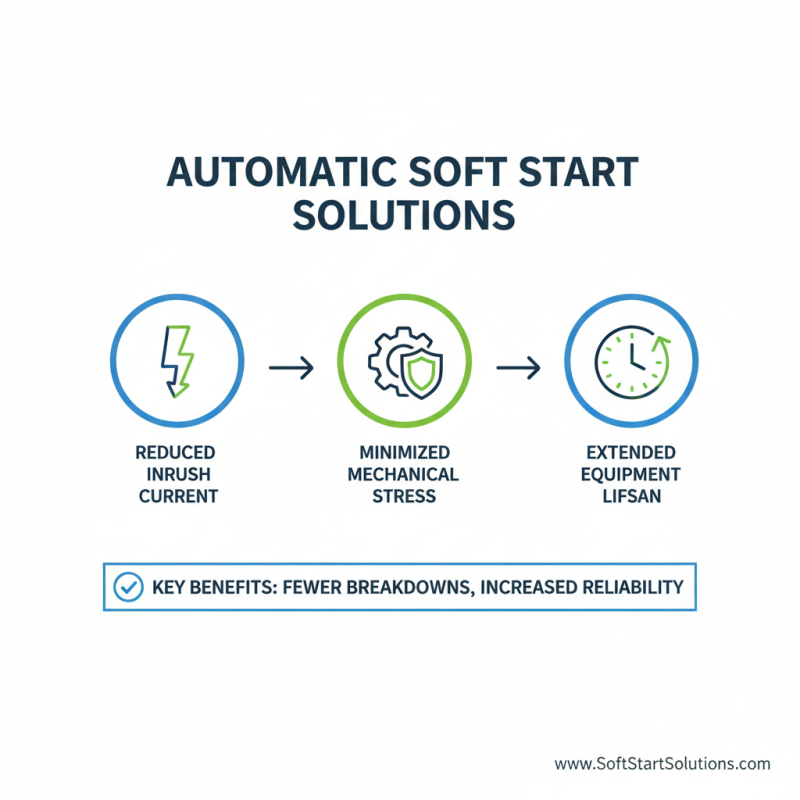
Automatic soft start systems are crucial for ensuring smooth and reliable operations in various industrial applications. These systems significantly reduce the initial inrush current that can occur when heavy machinery is powered on, thereby extending equipment lifespan and minimizing mechanical stress. According to a recent industry report by Technavio, the global soft starter market is expected to grow by over 10% annually through 2024, highlighting the increasing adoption of these solutions across numerous sectors.
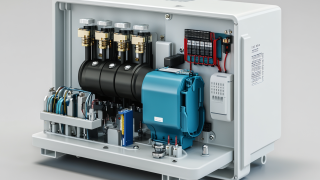
At the heart of an automatic soft start system are several key components that work in tandem to deliver optimal performance. The primary component is the soft starter itself, which uses electronic control to manage the voltage supplied to the motor. Additionally, current sensors are installed to monitor the motor's operational parameters continuously, providing real-time feedback to adjust the starting process as necessary. Furthermore, the integration of microcontrollers allows for programmable settings tailored to specific applications, ensuring that each startup is as smooth and efficient as possible. According to industry data, effective implementation of soft starters can decrease energy consumption during startup by as much as 30%, marking a significant advantage for companies aiming to enhance operational efficiency and sustainability.
Automatic soft start solutions are essential in ensuring that equipment operates smoothly while minimizing stress on mechanical components. There are several types of soft start solutions available, each tailored to different applications and operational requirements. One of the most common types is the soft start motor controller, which gradually increases the voltage supplied to the motor. This controlled ramp-up significantly reduces the inrush current during startup, preventing electrical surges that can damage both the motor and associated circuitry.
Another widely used solution is the use of variable frequency drives (VFDs). VFDs not only allow for soft starting but also enable users to control the motor speed throughout its operation. By adjusting the frequency and voltage supplied to the motor, VFDs enhance efficiency and reduce energy consumption. Additionally, they provide the capability to integrate advanced features such as regenerative braking and precise speed control, making them highly versatile for various industrial applications.
Lastly, there are soft starters designed specifically for resistive loads, such as heating elements. These devices utilize a different approach, employing a control mechanism to manage the heating process gradually. By limiting the initial power delivered to the load, these soft starters prevent thermal stress and extend the lifespan of the equipment. Each of these solutions plays a significant role in optimizing the performance and longevity of industrial machinery, ensuring reliable operation in diverse settings.
This chart illustrates the effectiveness of different automatic soft start solutions, rated on a scale of 1 to 10. Identifying the most effective methods can help in achieving smoother equipment operation.
Automatic soft start solutions play a crucial role in enhancing the longevity of various types of equipment. By gradually ramping up the power supplied to motors, these systems reduce the initial inrush current that typically occurs when machinery is powered on. This gentle start minimizes mechanical stress and wear on components, allowing them to operate under less strain. As a result, equipment can experience fewer breakdowns and extended service life, as the risk of damage from sudden surges is significantly diminished.
Furthermore, the advantages of automatic soft start extend beyond just mechanical protection. By ensuring a smoother operational transition, these systems contribute to improved energy efficiency. High inrush currents can lead to excessive energy consumption, causing operational expenses to rise. With automatic soft start technology, the gradual power application helps maintain optimal performance levels while consuming less energy. This not only saves costs but also supports sustainable practices by reducing the overall carbon footprint of industrial operations. By integrating such solutions, companies can achieve enhanced equipment longevity and operational sustainability simultaneously.
Installing an automatic soft start device is a critical step toward ensuring smooth operation of equipment while minimizing wear and tear. The installation process typically begins with a careful assessment of the existing electrical system. It is essential to understand the specifications of the equipment being used, including voltage ratings and power requirements, to choose the most compatible soft start device. Adequate safety precautions should be taken before commencing installation, such as disconnecting the power supply and ensuring that all tools and equipment are properly rated for the job.
Once safety measures are in place, the next stage involves mounting the soft start device and connecting it to the electrical system. This usually requires interfacing the device with the motor starter and ensuring proper wiring connections according to the device’s documentation. It is advisable to follow a systematic approach, ensuring that all connections are secure and correctly configured to prevent potential malfunctions. Testing the system prior to full operation is crucial; this may include verifying settings and observing the device's functionality under low load conditions before gradually increasing to full capacity. These steps foster a reliable setup, significantly enhancing operational efficiency and extending the lifespan of the equipment.
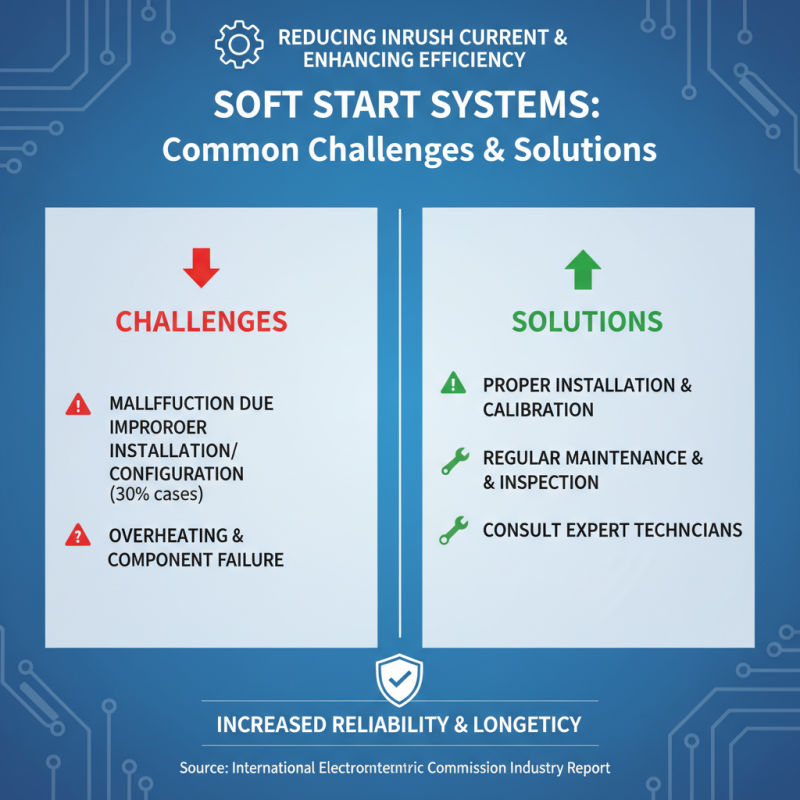
Soft start systems play a crucial role in enhancing the operational efficiency of various industrial equipment by reducing the inrush current during start-up. However, like any technological solution, they can come with their own set of challenges. According to a recent industry report by the International Electrotechnical Commission, approximately 30% of soft start systems experience malfunction due to improper installation or configuration. This emphasizes the importance of understanding common issues that can arise and how to effectively troubleshoot them.
One prevalent issue encountered is the failure to adequately match the soft start device to the motor specifications, which can result in overheating and premature failures. A case study published in the Journal of Electrical Engineering illustrates that nearly 40% of equipment failures can be traced back to mismatched soft start settings. To prevent this, operators should conduct thorough assessments of motor characteristics, including voltage, current rating, and torque requirements. Additionally, routine monitoring and fine-tuning of the soft start parameters can significantly reduce downtime and maintenance costs.
Another common problem is the setting of the acceleration time, which is critical for ensuring the smooth transition of the equipment to operational speed without causing mechanical stress. A research survey indicated that nearly 25% of soft start issues stem from improperly configured acceleration times, leading to jerky movements that can adversely impact the machinery. Implementing adaptive control strategies and training personnel on best practices in soft start system management can mitigate these issues and ensure consistent equipment performance.
When selecting the best automatic soft start solutions, a comparative analysis of top brands and products reveals various features that cater to specific operational needs. Key factors include the technology used, efficiency ratings, and the range of applications. Brands often utilize advanced microprocessor technology, enabling precise control over the starting process. This not only reduces inrush current but also minimizes mechanical wear on equipment, thus extending its lifespan.
Additionally, installation and ease of integration are crucial aspects to consider. Some products are designed for plug-and-play functionality, making them ideal for quick upgrades in existing systems. Others may require a more complex setup but offer extensive customization options to accommodate diverse industrial applications. Analyzing user feedback and performance in real-world scenarios can provide valuable insights into which solutions deliver on their promises, ensuring smooth and efficient operation for different types of equipment.
Ultimately, the right automatic soft start solution can significantly enhance the reliability and safety of machinery, contributing to more efficient operations across various sectors. By weighing the strengths and weaknesses of leading products, users can make informed decisions that best suit their operational requirements.
: The first step is to carefully assess the existing electrical system and understand the specifications of the equipment, including voltage ratings and power requirements.
Safety precautions include disconnecting the power supply and ensuring that all tools and equipment used for the installation are properly rated for the job.
The device is typically mounted and then interfaced with the motor starter, making sure that all wiring connections are secure and correctly configured according to the device’s documentation.
Testing the system prior to full operation is crucial for verifying settings and observing the device's functionality under low load conditions to prevent potential malfunctions.
Mismatched soft start settings can lead to overheating and premature failures of the equipment.
Routine monitoring and fine-tuning can significantly reduce downtime and maintenance costs by ensuring the equipment operates smoothly.
Improperly configured acceleration times can lead to jerky movements and mechanical stress, which are critical for smooth equipment operation.
Implementing adaptive control strategies and training personnel on best practices in soft start system management can help mitigate these issues and ensure consistent performance.
Approximately 30% of soft start systems experience malfunction due to improper installation or configuration.
Assessing motor characteristics is vital to ensure that the soft start device is properly matched to the motor specifications, which helps prevent equipment failures.
The article "Best Automatic Soft Start Solutions for Smooth Equipment Operation" delves into the concept of Automatic Soft Start technology, highlighting its significant benefits for equipment operation. It explains how these systems work, emphasizing their key components and the variety of solutions available on the market. By utilizing Automatic Soft Start, users can enhance the longevity of their equipment, as the technology minimizes mechanical stress during startup phases.
The installation process is described in detail, ensuring users can effectively integrate these systems into their operations. Additionally, the article addresses common troubleshooting methods for soft start systems, providing practical insights for maintenance. A comparative analysis of the leading Automatic Soft Start solutions concludes the discussion, assisting readers in making informed decisions based on their specific operational needs.