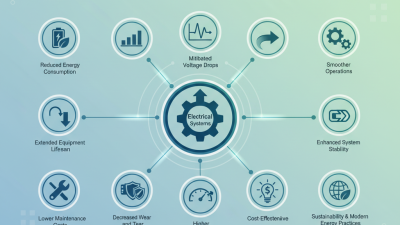
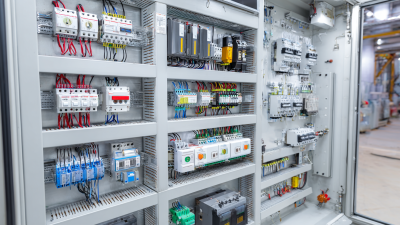
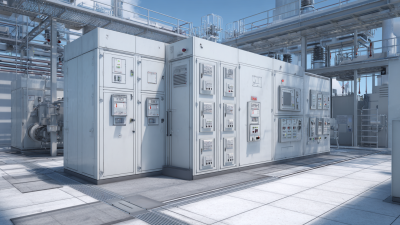
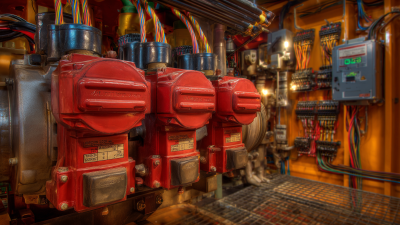
When it comes to industrial machinery, everyone’s always looking for ways to get better efficiency, right? One technology that's really been catching people's attention lately is the Soft Start Inverter. Basically, it makes starting up motors way smoother and easier. Instead of the usual jolt you get with traditional methods, this device cuts down that big surge of current when the motor kicks on. That’s a big win because it not only protects your equipment but can also help it last longer, which is pretty awesome.
A lot of companies are already seeing the benefits. For example, it reduces the stress on electrical systems, which means less wear and tear, and over time, it can really help cut down operational costs and maintenance efforts. But, I have to mention, it’s not all perfect—there’s an initial cost to think about, and setting it up can be a bit tricky if you’re not familiar. Misconfigurations can cause hiccups in performance, so you gotta know what you’re doing.
Still, despite those hurdles, most folks find that the upsides far outweigh the downsides. If you’re looking to boost productivity and make things more efficient, giving this a shot might be worth it. Just make sure you’re informed about what it can do and how it fits into what you already have running. It could be just what you need for smarter operations and better results.
Understanding Soft Start Inverters and Their Functionality
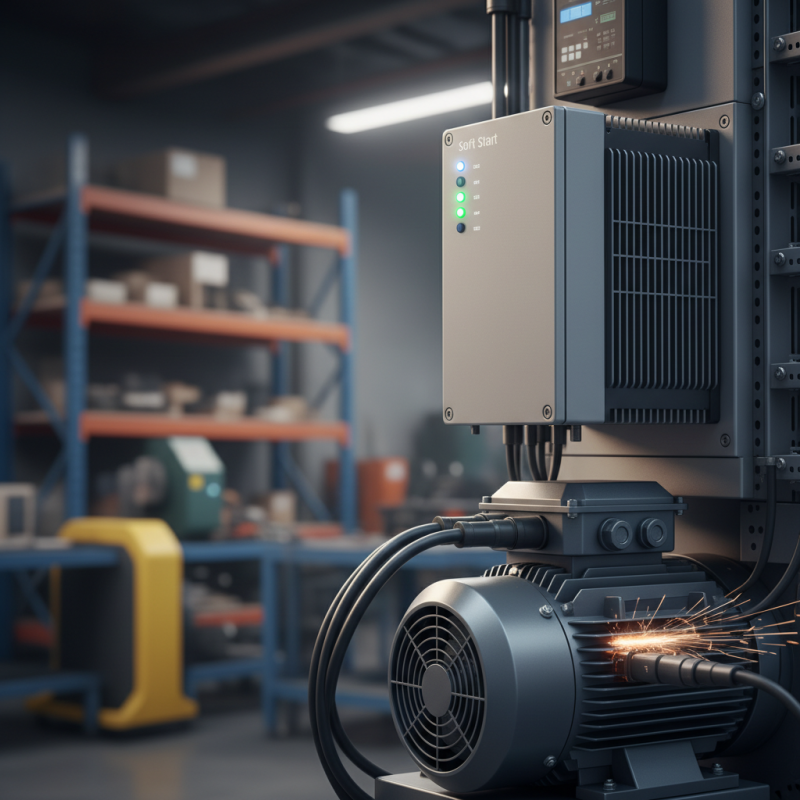
Soft start inverters serve a crucial role in managing the power dynamics of industrial motors. They provide a gentle ramp-up of voltage and current, minimizing the mechanical stress on mechanical components. This approach can extend the lifespan of equipment by reducing wear and tear. According to a recent industry report, Soft Starters can decrease energy consumption during startup phases by approximately 30%. This not only leads to cost savings but also promotes energy efficiency.
A Soft Start Inverter Supplier often emphasizes the importance of proper installation and configuration. Many users overlook these critical steps, potentially undermining performance benefits. For instance, incorrect settings can lead to insufficient torque, causing motors to stall or trip. This results in downtime and unexpected repair expenses, a concern not to be taken lightly. Reports highlight that adequate training on the installation of these systems can enhance performance by up to 20%.
Understanding the functionality of these devices is vital. They help control the initial surge of power, which is especially important in applications with high inertia loads. Furthermore, soft start inverters can improve voltage stability, contributing to better overall power quality. However, businesses must be aware of the prime need for ongoing maintenance. Without regular checks, the anticipated benefits may diminish over time, leading to reduced operational efficiency.
The Importance of Voltage Regulation in Motor Start-Up
The process of motor start-up can significantly impact the overall efficiency of an electrical system. Voltage regulation is crucial during this phase. A soft start inverter contributes to smoother acceleration by gradually increasing voltage. This prevents sudden spikes that can damage connected equipment. According to a recent industry report, improper voltage management can lead to failures costing up to $350 billion annually in the U.S. alone.
Utilizing soft start inverters can reduce inrush currents by up to 70%. This is vital in industries where large motors are common. When starting motors without regulation, the sudden demand for power can create voltage drops. These drops stress equipment and may lead to unexpected downtime. A well-designed soft start inverter enables better voltage control, helping to maintain system stability.
However, not every soft start inverter is created equal. Many manufacturers overlook important features, such as accurate voltage feedback mechanisms. This can lead to inefficiencies that, ironically, cause more harm than good. Understanding the unique needs of each application is key. A thoughtful approach from a Soft Start Inverter Manufacturer can result in enhanced performance and reliability for your motor systems.
Minimizing Mechanical Stress on Equipment with Soft Starts
Soft start inverters play a vital role in reducing mechanical stress on equipment. By gradually ramping up motor speeds, these devices prevent sudden jolts. This approach can lead to a significant reduction in wear and tear on belts, bearings, and gears. According to a recent industry report by the International Energy Agency, soft starters can extend equipment lifespan by up to 30%. This statistic reflects the substantial benefits of implementing these systems in industrial applications.
Minimizing mechanical stress also improves energy efficiency. When motors start smoothly, they draw less current than traditional methods. An analysis by the Electric Power Research Institute states that this can translate to energy savings of 25% during start-up phases alone. Additionally, reduced stress can lead to fewer operational disruptions. Equipment failures can be costly. Delays in production can have cascading effects.
However, not all installations benefit equally from soft start inverters. Factors such as motor size, load conditions, and specific applications can influence effectiveness. Conducting a thorough assessment before installation is crucial. Reaching out to a Soft Start Inverter Factory can provide insights tailored to unique operational needs. Ensuring proper integration remains a common challenge for many.
Energy Efficiency: How Soft Start Inverters Save Power
Soft start inverters play a crucial role in energy efficiency. They gradually increase power to motors, reducing the surge at startup. This feature cuts energy waste during operation. Many industrial applications benefit from this smooth transition, leading to significant energy savings.
Tips: Consider the size of your motor when choosing a soft start inverter. Not all inverters fit every application. A poorly matched inverter may not deliver the expected efficiency.
The impact of soft start inverters extends beyond energy savings. They also lessen wear and tear on equipment. Over time, this can lead to lower maintenance costs. However, not all systems will see the same benefit. It's important to analyze your specific setup.
Tips: Monitor your energy consumption before and after installation. This can provide insight into your inverter's effectiveness. If improvements are minimal, reevaluate your equipment choices.
Extending Equipment Lifespan Through Controlled Start-Up
In industries where equipment reliability is paramount, soft start inverters play a crucial role in extending the lifespan of machinery. These devices provide a controlled start-up for electric motors, significantly reducing mechanical stress during the initial phase of operation. According to industry reports, nearly 30% of motor failures result from abrupt starting conditions. By gradually ramping up power, soft start inverters can lead to a reduction in maintenance costs by up to 50%.
It's worth noting that controlled start-up strategies contribute to energy efficiency. The U.S. Department of Energy indicates that soft start inverters can improve energy savings by approximately 20% in specific applications. This not only benefits the equipment but also leads to sustainable practices within facilities. Using data from various Soft Start Inverter Factories, we see how these devices can optimize performance and ensure long-lasting machinery.
**Tip:** Regularly inspect your soft start inverter system. Ensure connections are tight and unobstructed to avoid potential failures.
Implementing soft start technology, while beneficial, may require investment and training. Some facilities might hesitate due to initial costs or the learning curve involved. However, the long-term advantages often outweigh these challenges. Embracing this technology can make a significant difference.
**Tip:** Consider a phased implementation approach. Start with critical equipment to monitor benefits before a full rollout.
Top 10 Benefits of Soft Start Inverters You Need to Know - Extending Equipment Lifespan Through Controlled Start-Up
| Benefit | Description | Impact on Equipment |
| Reduced Mechanical Stress | Soft start inverters minimize the mechanical shock that occurs during startup. | Extends the lifespan of motors and coupling devices. |
| Lower Starting Current | They reduce the initial current draw when starting machinery. | Minimizes stress on electrical components. |
| Improved Efficiency | Optimizes the starting process to enhance overall efficiency. | Improves energy savings during operation. |
| Minimized Torque Spikes | Soft start reduces torque spikes that can damage equipment. | Lowers the risk of failure in moving parts. |
| Easier Load Management | Facilitates better control over load demands. | Enhances operational stability. |
| Reduced Noise Levels | Creates quieter operations by controlling the start-up noise. | Improves workplace environment. |
| Prolonged Equipment Life | Ensures gradual acceleration, reducing wear and tear. | Increases total operational lifespan. |
| Enhanced Safety | Reduces risks related to mechanical shock and electrical surges. | Safer operation for staff and machinery. |
| Simplified Maintenance | Lowers the frequency of maintenance requirements. | Reduces downtime related to repairs. |
| Adaptability to Various Applications | Can be used in a wide range of industrial applications. | Versatility improves equipment utilization. |
Reducing Electrical Load on Power Systems with Soft Start Technology
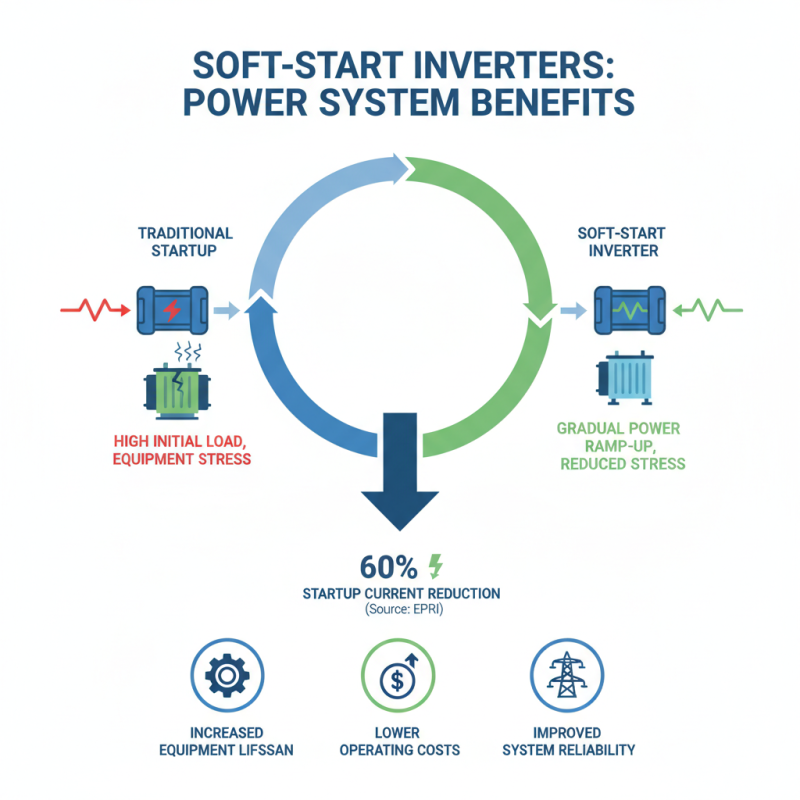
Soft start inverters play a crucial role in managing electrical load on power systems. This technology gradually ramps up motor speed, reducing the initial current draw during startup. According to a report by the Electric Power Research Institute, this can decrease startup current by up to 60%. Lower initial loads mean less stress on transformers and distribution equipment.
The softer approach lessens the impact on power supplies. The National Electrical Manufacturers Association estimates that such technologies can lower energy consumption by approximately 30% over time. This is significant for large industrial motors, which typically consume substantial amounts of power.
Additionally, gradual acceleration minimizes mechanical stress on equipment. The risk of damage to motors and connected systems decreases. However, some engineers point out that these systems can have a learning curve and require precise settings. Misconfiguration may lead to suboptimal performance. The benefits are clear, but reflection on setup and maintenance is essential for success.
Enhancing System Reliability and Performance with Soft Start Inverters
Soft start inverters play a vital role in enhancing system reliability and performance. These devices reduce mechanical stress during startup. The result? Extended equipment lifespan and decreased maintenance costs. According to industry reports, up to 70% of motor failures happen during startup. Implementing soft start inverters can significantly mitigate these risks.
Moreover, soft start inverters can improve energy efficiency. By controlling the ramp-up time of electric motors, they prevent current surges that lead to power losses. Studies show that soft start solutions can save energy costs by 20% or more in certain applications. This not only boosts operational efficiency but also minimizes carbon footprints.
Tips: Consider integrating a soft start inverter in applications with frequent starts and stops. Regularly evaluate your system’s performance to identify areas for improvement. Remember, while these inverters offer many advantages, they require proper installation and tuning for optimal effectiveness. Addressing these details can lead to significant operational improvements.
Top 10 Benefits of Soft Start Inverters
FAQS
: The goal is to connect users with relevant information.
Use keywords related to your topic. Browse categories for better results.
The service is generally free. Some features may have fees attached.
Refresh the page first. If issues persist, contact support for help.
Data protection measures are in place. However, using any online service has risks.
Yes, feedback is welcome. It helps improve the platform for everyone.
Updates occur regularly. However, not all content is reviewed frequently.
Report inaccuracies through the designated channels. It helps maintain quality.
Yes, a mobile-friendly version exists. Some features may look different.
Suggestions are appreciated. They may lead to beneficial changes in the future.
Conclusion
Soft Start Inverters are essential devices that facilitate smoother motor start-ups, enhancing overall system performance and reliability. They work by gradually ramping up voltage and current, which minimizes mechanical stress on equipment and significantly reduces the risk of damage during the start-up phase. This functionality not only helps in protecting valuable machinery but also leads to notable energy savings, as Soft Start Inverters optimize power consumption during the start process.
Additionally, by effectively managing electrical load, Soft Start Inverters contribute to the longevity of equipment, ensuring it operates efficiently over extended periods. The importance of voltage regulation in the start-up phase cannot be overstated; it prevents sudden surges that could overload power systems. Overall, the incorporation of Soft Start Inverters into industrial applications not only enhances performance but also fosters reliability and energy efficiency, making them a critical investment for businesses aiming for sustainable operation.