Induction motors are pretty common across different industries, and they do a good job at keeping things running smoothly. But, you know, they’re not perfect—starting them up can be a bit tricky. One of the biggest headaches is that huge inrush current you're likely to see at startup. That spike can actually cause damage to the motor and mean more maintenance work down the line. In fact, research shows that about 95% of motor failures come back to electrical problems during startup—pretty significant, right?
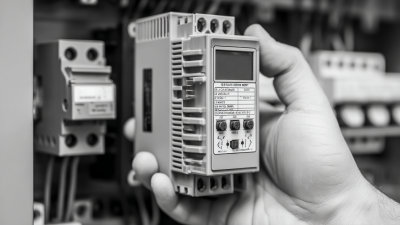
Now, here’s where an Automatic Soft Startercomes into play. It kind of acts like a gentle persuader, gradually increasing the voltage so the motor isn’t hit with that big rush of current all at once. This not only helps protect the motor but also makes it last longer. According to a report from the National Electrical Manufacturers Association (NEMA), using Soft Starters can cut down energy use during startup by as much as 30%. That’s pretty impressive.
Still, I get it—some facilities are a bit hesitant to jump in and invest in this tech. The upfront cost can seem like a barrier, and sometimes it’s just easier to stick with what they know. But honestly, when you weigh it out, the long-term savings and the extra protection usually make it worth it. If companies hold back on adopting these solutions, they might be missing out on some real efficiencies and cost savings. In a competitive world, embracing new tech like this is pretty much essential if you want to stay ahead and keep things running smoothly.
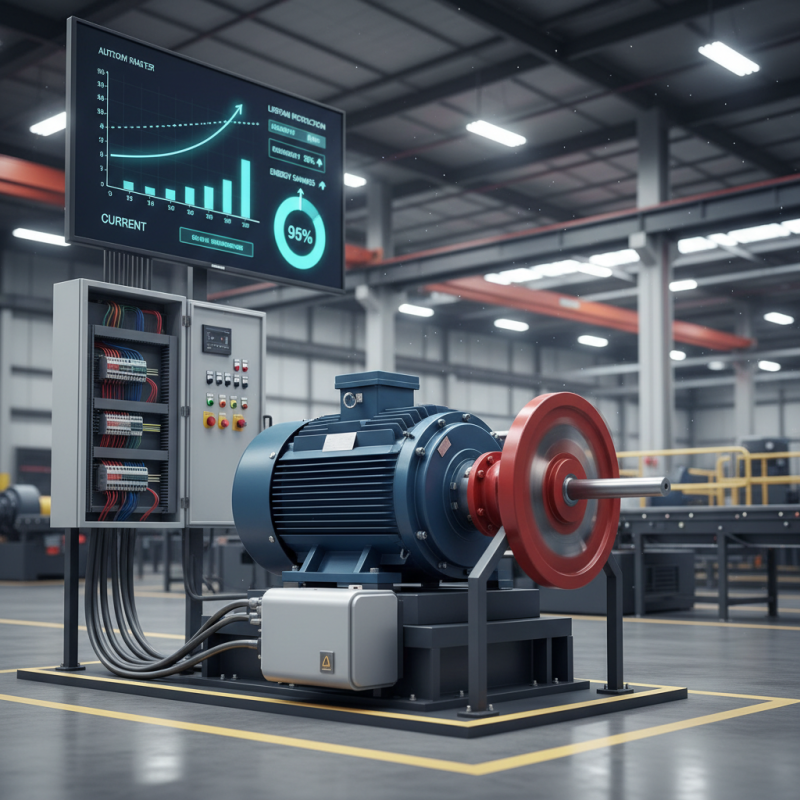
Importance of Soft Starters for Induction Motors
When considering the operation of induction motors, an automatic soft starter becomes essential. These tools provide smooth starting and stopping. Induction motors often face severe torque and current spikes during startup. This can lead to equipment damage. Soft starters reduce this stress effectively.
A soft starter limits the initial current and torque applied to the motor. This control is crucial, especially for larger machines. It helps in maintaining equipment longevity. Moreover, the use of these starters can enhance energy efficiency. Over time, significant savings in energy costs can be realized. However, many ignore the potential benefits of soft starters. They may focus solely on the upfront costs.
It's worth noting not all soft starters are created equal. Finding a reliable Automatic Soft Starter Supplier can make a significant difference. Quality and compatibility matter. A subpar device can lead to operational issues or increased downtime. Investing time in research can pay off in the long run. Each motor's needs are unique, so it's critical to choose wisely.
Importance of Soft Starters for Induction Motors
How Automatic Soft Starters Function and Their Working Principles
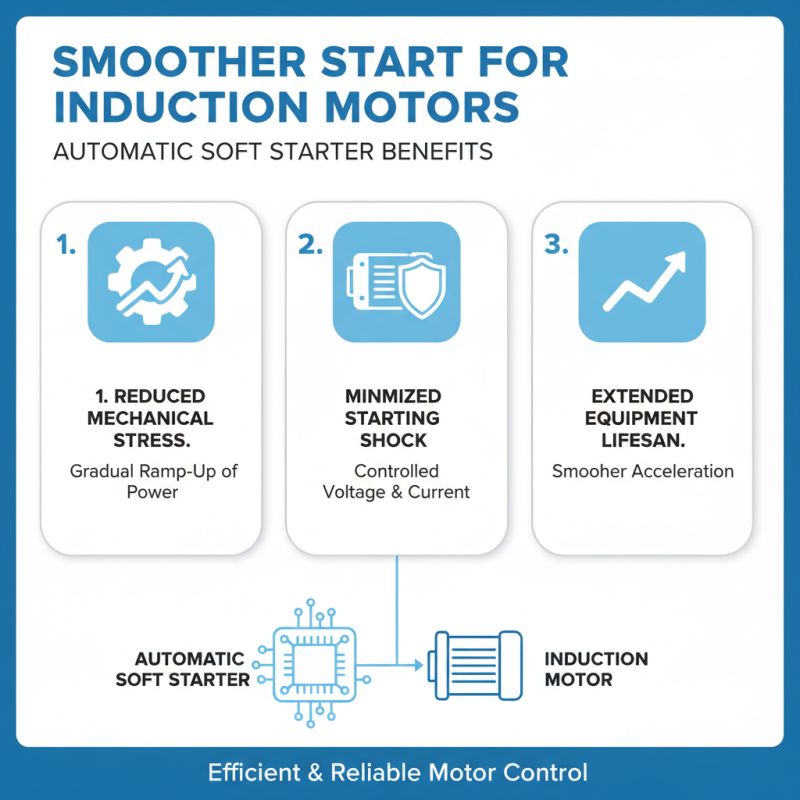
Automatic soft starters are crucial for controlling the startup of induction motors. They reduce the inrush current that can damage motors during startup. This technology gradually ramps up the motor's voltage, helping to protect the system. A smooth start minimizes mechanical stress, which prolongs the life of the motor and connected equipment.
The working principle involves controlling the voltage supplied to the motor. Soft starters utilize thyristors or other electronic devices to limit initial power draw. This function allows for a controlled acceleration, avoiding sudden jolts. The result is a gentler startup experience with less strain. However, one must consider the potential downsides, such as increased system complexity and costs.
Reviewing technical setups is essential as soft starters may not be suitable for all applications. Regular maintenance checks are necessary to ensure optimal performance. Not every installation perfectly implements this technology, leaving room for improvement. Thus, understanding both benefits and limitations is vital for good decision-making.
Advantages of Using an Automatic Soft Starter Over Direct Starters
Using an automatic soft starter for an induction motor has significant benefits. One major advantage is smoother operation. Unlike direct starters, which provide a sudden surge of power, soft starters gradually increase voltage. This process reduces mechanical stress on the motor and connected equipment. Smooth starts can extend the lifespan of components.
Another key benefit is energy efficiency. Automatic soft starters can minimize inrush current. This means reduced energy consumption at startup, leading to lower electricity bills. In industrial settings, this can result in considerable savings over time. Additionally, these devices often have built-in protection features, such as overload and phase loss protection. These features help prevent damage to the motor.
However, not all users fully leverage these advantages. Some miss out on energy savings due to improper settings. This commonly leads to inefficient startup processes. Ensuring the soft starter is configured correctly is crucial for optimal performance. Regular maintenance and monitoring can help users make the most of their investment in soft starters.
Reduction of Starting Current and Voltage Limiting Effects
Starting an induction motor typically generates a high inrush current. This can be several times greater than the motor's full-load current. A conventional motor starter may not limit this peak effectively. This often leads to voltage dips in the electrical supply. In some cases, these dips can drop the voltage to below acceptable levels for nearby equipment. An automatic soft starter can help address these issues.
By gradually increasing the voltage, an automatic soft starter minimizes the starting current. Research indicates that using such devices can reduce starting current by 50% to 70%. This reduction significantly lowers strain on both the motor and the electrical supply system. Moreover, it prevents potential damage caused by high starting currents. Many industrial applications utilize these soft starters for better control and efficiency.
However, not all installations benefit equally. Some systems may still experience fluctuations in performance. The effectiveness of an automatic soft starter may vary depending on specific site conditions. It's crucial to assess each application individually. Engaging with an Automatic Soft Starter Manufacturer can provide insights tailored to unique needs. Addressing starting current levels is vital in optimizing overall system performance.
Enhanced Control of Torque and Acceleration During Start-Up
When starting an induction motor, managing torque and acceleration is crucial. An automatic soft starter provides a smoother transition. This device controls the voltage and current supplied to the motor. As a result, it reduces the starting shock to the system. The gradual ramp-up minimizes stress on mechanical components.
The control of torque is essential during start-up. Too much torque can cause damage or premature wear. An automatic soft starter helps mitigate these risks. With this technology, operators can fine-tune acceleration rates. However, it's not always perfect. Sometimes, settings may need adjustments based on different applications. This means constant monitoring is necessary.
Installing an automatic soft starter requires some planning. Understanding the specific needs of your system is vital. A typical misconception is that these devices are a one-size-fits-all solution. They are effective, but tailored settings maximize their benefits. As we move forward, the insights from the Automatic Soft Starter Factory can serve as a valuable resource. Applying this knowledge effectively ensures a smoother, safer operation.
Protection Features and Fault Diagnostics Provided by Soft Starters
An automatic soft starter offers significant protection features for induction motors. These devices manage motor starting, reducing stress on electrical components. During startup, they limit the inrush current, preventing damage to the motor and prolonging its lifespan.
Fault diagnostics is another critical aspect of soft starters. They can detect irregularities like overheating or phase imbalances. When issues arise, the device can provide alerts, allowing for timely interventions. This proactive approach helps maintain efficient operation.
Implementing a soft starter may seem straightforward, but installation and calibrated settings require careful consideration. Some users might overlook the need for regular diagnostics checks. Ignoring this could lead to undiagnosed problems and costly repairs. Challenges do exist, but understanding the risks is vital for optimal motor performance.
Applications and Industries Benefitting from Soft Starter Technology
Soft starter technology is increasingly being implemented across various industries. These systems gradually ramp up the power supply to induction motors. This approach minimizes electrical stress on the motor and reduces mechanical wear. In industries such as manufacturing and mining, automatic soft starters can extend equipment lifespan and enhance efficiency. Reports indicate that using soft starters can reduce startup current by up to 70%. This statistic is crucial for applications where large motors are frequently started and stopped.
Application in HVAC systems is another area where soft starters show significant benefits. In commercial buildings, managing energy consumption is vital. Soft starters ensure that HVAC equipment starts smoothly. This can lead to energy savings of around 30% during peak hours. Moreover, soft starter technology is not just about saving energy; it reduces the risk of damage to delicate components. Many Automatic Soft Starter Factories are focusing on these critical applications, developing solutions tailored for specific needs.
Despite the advantages, some challenges remain. The initial cost of implementing soft starter systems can be a barrier for smaller operations. It’s essential to evaluate the long-term benefits versus upfront expenditures. There’s also the need for proper installation and maintenance. Inappropriate use can negate the potential gains. Implementing soft starter technology requires careful consideration to maximize its advantages in various industries.
Revolutionizing Motor Control: The Advantages of the LCR-VM Linglong Series Online Soft Starter Panel
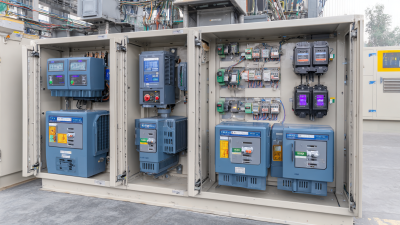
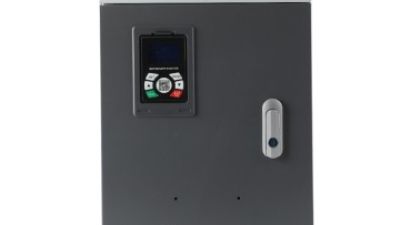
The LCR-VM series Online Soft Starter panel is an innovative solution designed to revolutionize motor control in various applications. One of its standout advantages is its high cost performance compared to traditional self-coupling step-down start boxes. This soft starter panel is engineered for direct installation and immediate use, significantly reducing setup time and associated labor costs. Users can benefit from a seamless integration process without the need for extensive debugging, allowing them to quickly get their systems up and running.
Furthermore, the LCR-VM series boasts a remarkably low failure rate, which enhances the reliability of motor operations over prolonged periods. Its unique design enables users to troubleshoot and resolve simple faults independently, minimizing downtime and maintenance efforts. Importantly, the control cabinet operates online without relying on AC contactors, which streamlines the overall system architecture. This efficiency not only contributes to lower operational costs but also ensures continuous performance, making the LCR-VM series a strategic choice for industries looking to optimize motor control solutions.
FAQS
: The process involves sourcing materials, design, production, and quality checks. Each step needs careful planning.
Quality checks happen at each stage. Regular inspections and tests ensure the final product meets standards.
Costs of materials, labor, and overhead all impact pricing. Market demand also plays a significant role.
Yes, but changes can be costly. It's essential to weigh the benefits against potential delays.
Consumers should evaluate quality, price, and reviews. It's important to reflect on past experiences as well.
Customer suggestions, complaints, and reviews help improve products. Listening to users is crucial for development.
New products typically launch several times a year. This helps keep the brand fresh in the market.
Many companies now prioritize sustainability. It’s a key factor, yet challenges remain in sourcing eco-friendly materials.
Companies usually offer returns or exchanges for defective items. Tracking patterns helps avoid future issues.
Market research identifies consumer needs. It shapes product features and marketing strategies, but it can be flawed.
Conclusion
The article titled "Why Use an Automatic Soft Starter for Your Induction Motor?" emphasizes the critical role of Automatic Soft Starters in enhancing the performance and efficiency of induction motors. These devices function by gradually ramping up voltage and controlling the starting characteristics of the motor, which significantly reduces the inrush current that can cause mechanical stress and voltage dips in the electrical supply.
Automatic Soft Starters offer numerous advantages over traditional direct starters, including enhanced control of torque and acceleration during startup, which leads to smoother operation and reduced wear on equipment. Additionally, they incorporate various protection features and fault diagnostics that contribute to the longevity and reliability of motor systems. Industries that implement Automatic Soft Starter technology benefit from improved operational efficiency and minimized downtime, making them an essential component in modern motor control applications.