In today’s industrial world, having good motor control isn't just a nice thing to have — it’s pretty much a game-changer for boosting productivity and cutting costs. Did you know that, according to the International Energy Agency, about 20% of all the electricity we use around the globe goes to powering electric motors? Crazy, right? That shows just how much potential there is to save energy with smarter motor control strategies. One tech that’s been gaining ground is the Automatic Soft Start. Basically, it helps the motor get up to speed gradually instead of jolting into action, which cuts down on mechanical stress and energy spikes. In fact, a study from the Electric Power Research Institute found that using Automatic Soft Start can cut wear and tear on equipment by up to 50%. That’s a pretty solid reason to give it a go — it means your machinery lasts longer and runs more reliably.
That said, not every facility makes the most of this tech. Sometimes, operators shy away from installing it because they think it’s too expensive or complicated. But honestly, that kind of thinking can hold you back from all the benefits. As global electricity needs keep climbing, adopting smarter, more energy-efficient practices isn’t just a good idea — it’s becoming an absolute necessity. Jumping on board with Automatic Soft Start could be a key step toward a more sustainable and efficient operation, don’t you think?
Understanding Automatic Soft Start in Motor Control Applications
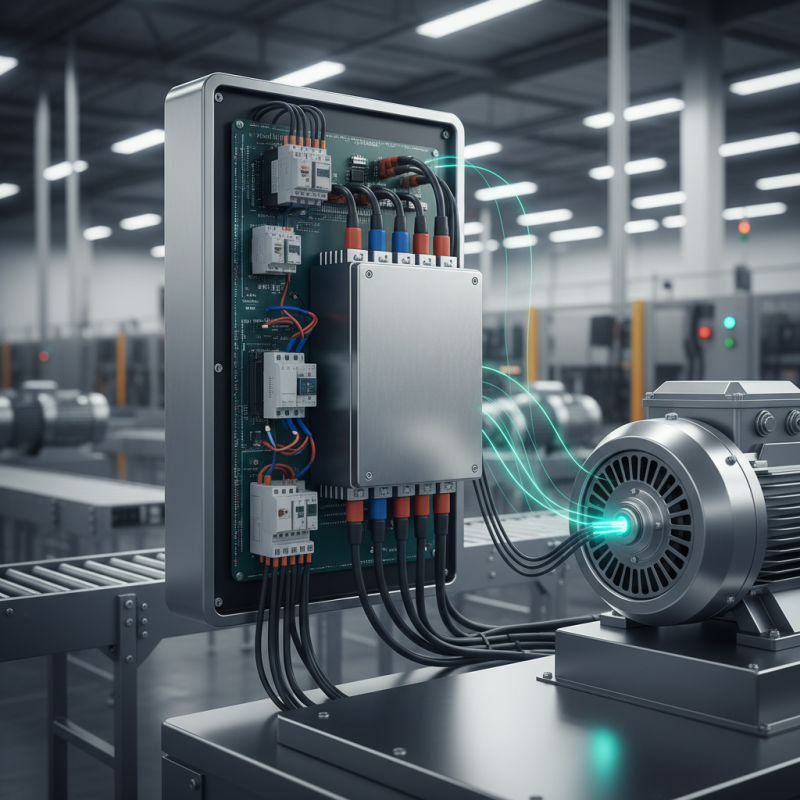
Automatic Soft Start is a key technology in motor control applications. It helps in reducing mechanical stress on motors during startup. This feature is beneficial in prolonging the lifespan of machinery. When a motor starts abruptly, it can cause significant wear and tear. By gradually ramping up the power, automatic soft start minimizes these issues.
Understanding its mechanics can enhance efficiency. It controls the voltage and current that the motor receives at startup. This careful management allows for a smoother acceleration phase. Motor operators can witness a decrease in energy consumption as well. There are various configurations for implementing this feature. Therefore, selecting the right Automatic Soft Start Supplier is crucial. Not all solutions fit every application.
In practice, there can be challenges. For instance, incorrect settings may lead to inefficient operation. Over time, users might overlook the benefits of fine-tuning these parameters. Regular assessments and adjustments can ensure optimal performance. A consistent review of the soft start mechanism can reveal hidden inefficiencies. Understanding these nuances is vital for any operation relying on motor control technology.
Automatic Soft Start Efficiency in Motor Control
This chart represents the efficiency parameters of automatic soft start in motor control applications. The values for current draw, acceleration time, and power factor illustrate the improved performance achieved through the implementation of soft start technology.
Benefits of Using Soft Start Techniques for Motor Efficiency
Using soft start techniques significantly enhances motor efficiency. By ramping up the motor speed gradually, these methods reduce the initial surge of current. This surge often leads to mechanical stress and electrical spikes. With controlled acceleration, we limit wear and tear on the motor. This can extend its life and lower maintenance costs.
Moreover, energy savings become evident. High starting currents can cause voltage dips. This affects other equipment in the system. Employing soft start solutions minimizes these dips, promoting a stable power supply. Such stability is essential for industries where downtime is costly. An Automatic Soft Start Manufacturer can provide tailored solutions, improving overall system performance.
Yet, some challenges remain. Implementing these systems requires expertise and careful planning. Proper installation is crucial. Misconfigurations can negate the benefits. Regular maintenance also holds importance. It's easy to overlook, but neglecting it can lead to decreased efficiency. A thoughtful approach ensures that we maximize the advantages of soft start techniques.
Key Components of an Automatic Soft Start System
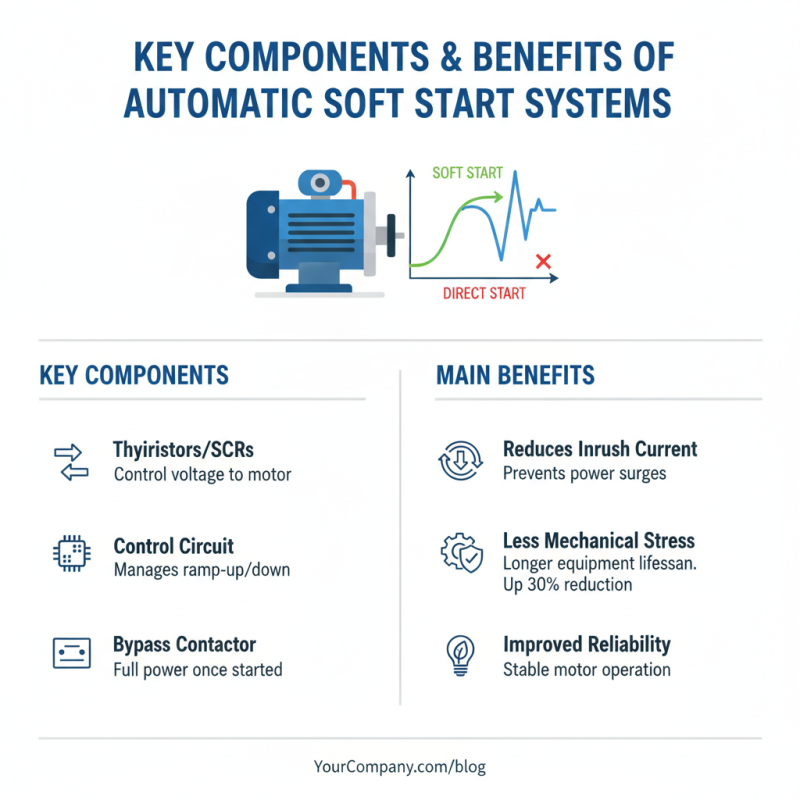
An automatic soft start system is essential for efficient motor control. It effectively reduces the inrush current during motor startup. This technology can limit mechanical stress on equipment, prolonging its lifespan. Some reports indicate a reduction in energy consumption by up to 30% when using Soft Starters.
Key components of an automatic soft start system include controllers, contactors, and sensors. Controllers manage the starting sequence and ramp-up times. They ensure a gradual increase in voltage, which helps minimize electrical and mechanical strain. Dependable contactors switch the motor on and off, essential for controlling current flow accurately. Sensors monitor system performance, providing data on temperature and load.
Despite these advantages, potential challenges exist. Calibration may not always meet operational demands perfectly. Inaccurate settings could lead to insufficient performance or unnecessary wear. Continuous monitoring and adjustments are critical for overcoming these pitfalls and enhancing overall system reliability. Effective implementation relies on professionals understanding the intricacies of these components.
Step-by-Step Implementation of Soft Start for Electric Motors
Implementing a soft start for electric motors is a crucial step in enhancing energy efficiency and prolonging motor life. Soft starts reduce inrush current, which can be as high as 6-8 times the rated current of the motor. This high spike can lead to significant voltage drops and can damage electrical equipment. According to the Electric Power Research Institute (EPRI), installing a soft start can decrease energy consumption by up to 30%. This is mainly due to the improved performance and reduced wear on motor components.
To effectively implement a soft start, follow a systematic approach. Begin with assessing the motor specifications and the application requirements. Analyzing these parameters helps in selecting the right soft starter. Next, consider the installation environment to ensure optimal performance. Place the soft starter close to the motor to minimize any signal loss. After installation, test the system under various loads. Continuous monitoring can help identify any potential faults early.
It's important to note that while soft starts offer benefits, they may also introduce some challenges. There can be initial setup complexities that require experienced technicians. Additionally, improper parameter settings in the soft starter may lead to inefficient operations or failure to protect the motor effectively. Regular maintenance checks and adjustments are essential for achieving maximum benefits.
Common Challenges and Solutions in Soft Start Motor Control
Soft start motor control is an effective method for reducing inrush current during motor startup. However, common challenges arise. One frequent issue is the lack of proper settings for different motors. Each motor type has unique requirements. Irrelevant settings can lead to inefficiency or even damage. Fine-tuning parameters is essential to ensure optimal performance.
Another challenge is the complexity of wiring and installation. Improper configurations can cause malfunctions. Many technicians overlook the importance of clear wiring diagrams. Training on these specifics can improve outcomes significantly. Regular maintenance and inspections should not be neglected, as they help identify potential problems early.
Understanding the operational environment is crucial too. Variations in temperature or humidity can affect motor performance. These factors may lead to unexpected behavior, making it vital to adapt soft start settings accordingly. Addressing these challenges requires a thorough understanding and ongoing reflection on techniques. Adapting to feedback will enhance reliability in motor control systems.
Maintenance Tips for Efficient Operation of Soft Start Systems
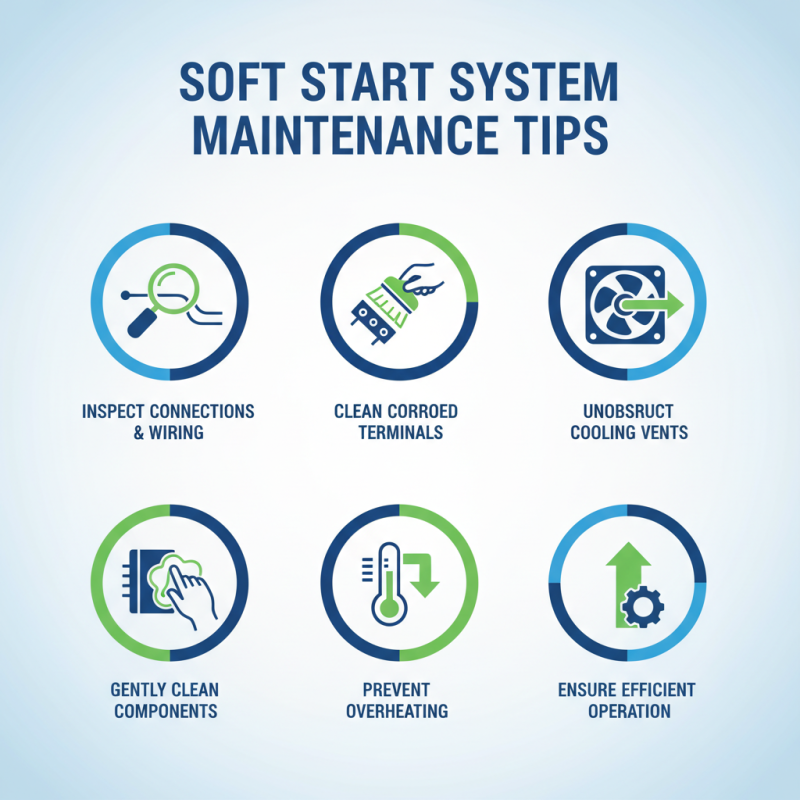
Regular maintenance of automatic soft start systems is crucial for their efficient operation. Begin by regularly inspecting connections and wiring for any wear or damage. Corroded terminals can lead to increased resistance, affecting overall performance. Clean the components gently to avoid dust accumulation. Ensure that cooling fans and vents are unobstructed. Overheating can drastically shorten the lifespan of a soft starter.
Monitor the system's parameters closely. Unusual readings can hint at underlying issues. Pay attention to the start and stop times, voltage, and current levels. Anomalies should not be ignored, as they often suggest that recalibration or further inspection is needed. Moreover, consider periodic professional evaluations to maintain optimal functioning.
Finally, keep a maintenance log. Documenting each service can reveal patterns over time. This practice not only helps in identifying recurring problems but also aids in planning future maintenance better. While soft start systems are robust, even the most reliable equipment may need occasional attention. Remember, neglect can lead to inefficiency. Regular check-ups help ensure that the Automatic Soft Start Factory continues to operate smoothly.
Comparing Soft Start with Other Motor Control Methods
When examining motor control methods, Automatic Soft Start stands out for its efficiency. A report from the International Electrotechnical Commission indicates that using soft start technology can reduce inrush current by up to 70%. This sharp reduction not only protects motors but also ensures system stability, making it an attractive option for industries reliant on motor-driven systems.
In contrast, conventional methods often lead to mechanical wear due to abrupt starts. Frequent starts can decrease motor lifespan by 25%. In terms of energy savings, Automatic Soft Start Factories often see a 30% reduction in operational costs. This efficiency is crucial as industries face growing pressures to reduce energy consumption.
Tips: Consider implementing Automatic Soft Start systems during peak load times. This helps maintain energy efficiency. Regular maintenance of soft start devices is essential to ensure their longevity and reliability. Poorly maintained systems may negate the efficiency gained from soft start technology. Being mindful of these factors can help in achieving optimal performance.
How to Use Automatic Soft Start for Efficient Motor Control? - Comparing Soft Start with Other Motor Control Methods
| Control Method | Advantages | Disadvantages | Typical Applications |
| Automatic Soft Start | Reduces mechanical stress, protects power supply, improves startup performance | Higher initial cost, requires additional components | Fans, pumps, conveyors |
| Direct-On-Line (DOL) | Simple and cost-effective | High startup current, potential damage to equipment | Small motors, fans |
| Star-Delta Starter | Reduces starting current, lower mechanical stress | More complex wiring, not suitable for all applications | Large motors, industrial applications |
| Variable Frequency Drive (VFD) | Energy-efficient, precise control of speed and torque | Higher initial costs, complex setup | Pumps, fans, conveyors |
Leveraging LCRV6-E Built-in Bypass Soft Starter for Enhanced Energy Efficiency in Industrial Applications: Insights from Recent Market Analysis
In the quest for enhanced energy efficiency within industrial applications, the LCRV6-E built-in bypass soft starter is proving to be a game-changer. Designed with a focus on innovation, this advanced starter integrates a unique cloud function that empowers users to monitor and control operations remotely via mobile and computer terminals. This feature not only simplifies management but also promotes energy efficiency by enabling precise parameter settings and start-stop control, effectively optimizing power consumption in industrial environments.
The LCRV6-E’s design caters to modern industrial demands, ensuring that facilities can leverage technology to enhance operational effectiveness. By incorporating a built-in bypass function, it reduces electrical stress during startup, minimizing energy losses and extending the lifespan of motors. This capability translates to significant cost savings over time, making the LCRV6-E a wise investment for industries looking to bolster their energy efficiency strategies. As energy regulations become more stringent, embracing such advanced technologies becomes imperative to maintain a competitive edge while fulfilling sustainability goals.
FAQS
: Soft start motor control reduces inrush current during motor startup. It ensures smoother operation and prevents damage.
Each motor type has unique settings. Incorrect configurations can lead to inefficiency or damage, affecting performance significantly.
Wiring complexity can lead to malfunctions. Clear wiring diagrams are often overlooked but essential for successful installation.
Regular inspections of connections and wiring prevent wear and damage. This practice significantly enhances overall system reliability.
Keep an eye on start/stop times, voltage, and current levels. Unusual readings can signal underlying problems needing attention.
Variations in temperature and humidity can influence behavior. Adapting soft start settings is crucial for consistent performance.
Keeping a maintenance log reveals patterns over time. This information helps identify recurring issues and plan future services effectively.
Periodic professional evaluations are recommended. They ensure optimal functioning, even for robust soft start systems.
Obstructed cooling fans and vents can cause overheating. Regular cleaning prevents this and extends the system’s lifespan.
Many overlook regular inspections, which can lead to inefficiency. Without check-ups, even reliable systems may fail to perform right.
Conclusion
Automatic Soft Start is a crucial technique in motor control applications that facilitates smoother operations and enhances efficiency. By gradually ramping up the motor's speed, this approach reduces mechanical stress and electrical surges during startup, leading to a longer lifespan for both the motor and connected components. The article discusses the benefits of adopting soft start techniques, emphasizing improved energy efficiency and reduced wear and tear on machinery.
Key components of an Automatic Soft Start system include control circuits, soft starters, and feedback mechanisms to ensure optimal performance. The implementation process involves several steps, each addressing common challenges such as integration with existing systems and ensuring compatibility with various motor types. Additionally, maintenance tips are provided to uphold the system's efficiency, highlighting the importance of regular inspections and adjustments. Finally, the article compares Automatic Soft Start with other motor control methods, showcasing its advantages in specific applications.