When it comes to running motors smoothly, precision and efficiency are the name of the game. That’s why things like Auto Soft Start are so important. I recently came across a report from the International Electrotechnical Commission (IEC) that pointed out something pretty eye-opening: using the right motor starting methods can cut down energy use by as much as 30%. Yeah, you heard that right – a pretty big deal! It really shows how soft start tech helps prevent mechanical wear and tear, as well as energy spikes that can mess with your motors.
John Smith, who's quite the expert in motor control systems, told me, “Using Auto Soft Start doesn’t just make your motors last longer; it also boosts how efficiently they run.” His words really say a lot about how industry folks are looking for smoother, more reliable motor operations. Let’s be honest, in a world where sudden stops and starts are the norm, Auto Soft Start really stands out as a simple but effective fix.
But here’s the thing — even though the benefits are clear, a lot of places tend to overlook this technology. From what I’ve seen, facilities that skip out on Auto Soft Start often end up spending more on maintenance and see their equipment wearing out faster. It’s pretty clear that investing in good soft start strategies can pay off big time. Ignoring this, though? That’s just a missed opportunity to improve how things run and save some money in the long run.
Understanding Soft Start Technology in Motors
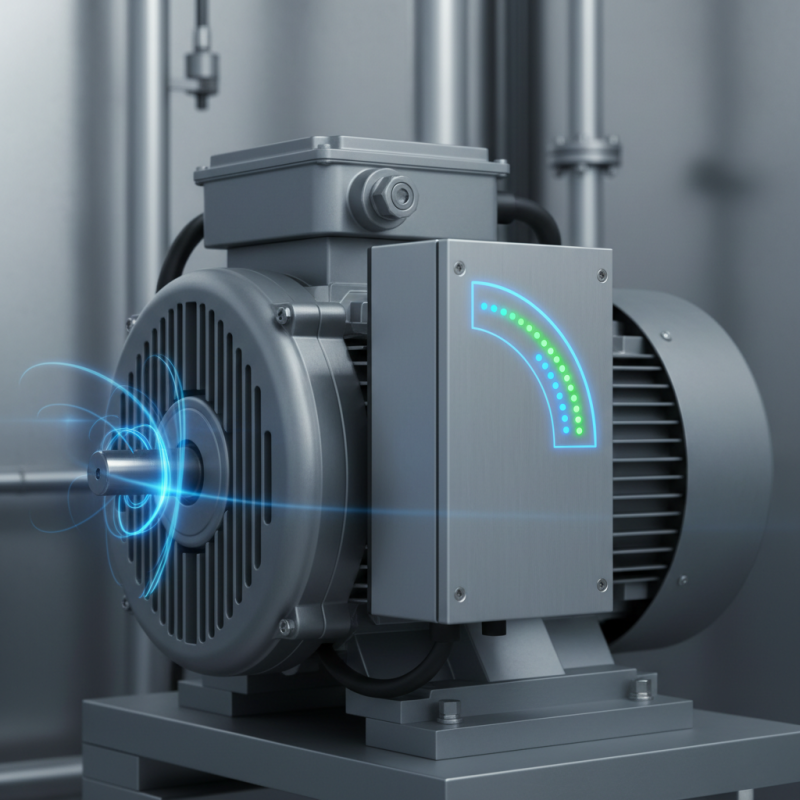
Soft start technology is crucial for smooth motor operation. It reduces the initial current surge during start-up. This can prevent mechanical stress and prolong equipment life. According to industry reports, starting motors without soft start technology can cause up to 50% of failures in motor drives. This high level of stress can lead to premature overheating and mechanical failure.
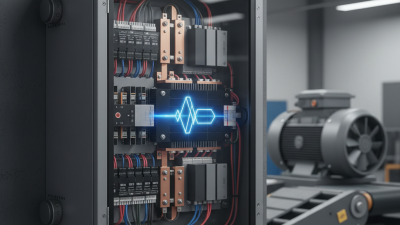
Implementing Soft Starters can be agame changer for industries relying on motors. A soft starter gradually ramps up the voltage and current. This careful approach minimizes the torque applied to the load. In fact, studies indicate that using soft starters can reduce energy consumption during start-up by 30%. However, not all soft start applications are perfect. Some users report initial set-up complexities or inconsistent performance under varying load conditions.
While the benefits are evident, there are challenges. Some systems may not respond well to soft start controls due to specific load characteristics. Additionally, maintenance of soft start technology requires attention. Regular checks are needed to ensure optimal functioning. Addressing these imperfections can enhance the overall effectiveness of motor operations and improve reliability.
Benefits of Implementing Soft Start Features
Implementing soft start features in motor operations offers significant benefits. This technology gradually increases motor power during startup, preventing sudden torque spikes. It reduces wear and tear, extending equipment lifespan. This smoother operation enhances productivity by minimizing downtime and mechanical failures.
To take advantage of soft start features, follow these tips. Monitor the motor’s load constraints. Understanding the maximum load assists in setting appropriate soft start parameters. Additionally, assess the electrical supply to ensure compatibility. A balanced supply helps prevent volt drops during operation.
Consider the application environment as well. Temperature fluctuations can impact performance. In cold conditions, motors may require longer ramp-up times. Think about that while setting configurations. Finally, regular maintenance is essential. Inspect soft start components consistently. Small issues can lead to larger failures without notice.
Selecting the Right Soft Start Controller
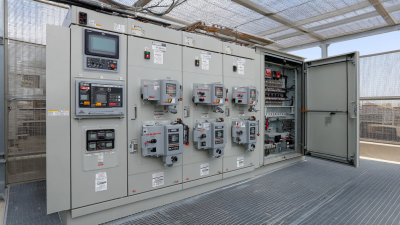
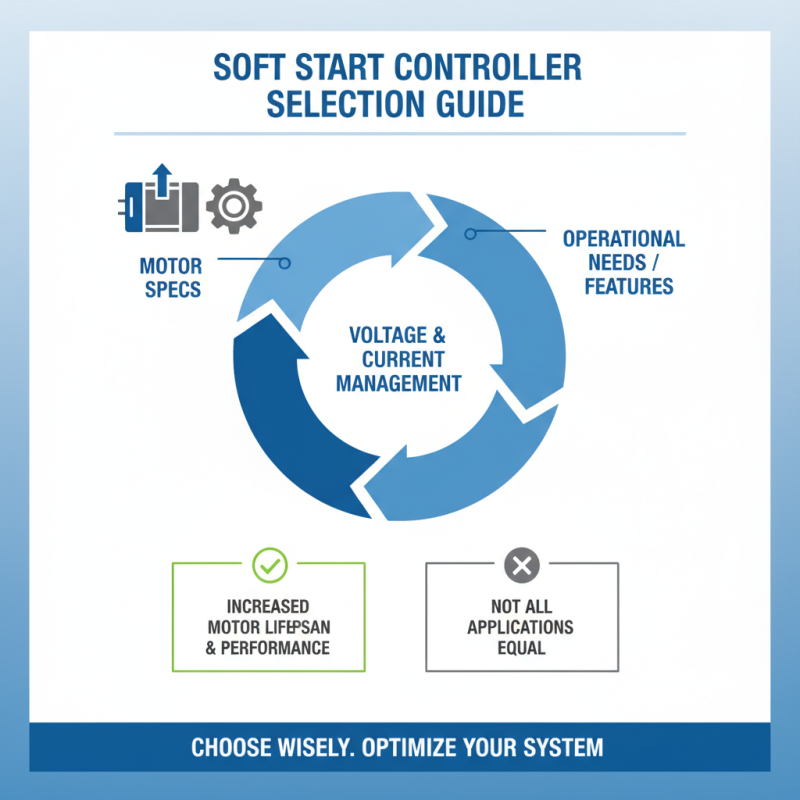
When selecting a soft start controller, consider your motor's specifications carefully. This decision heavily influences the motor's lifespan and performance. A suitable controller will manage the voltage and current. Look for features that match your operational needs. Not all applications require the same capabilities.
Pay attention to the starting torque requirements. Underestimating this can lead to mechanical failures. Ensure the controller can handle the load. While it’s tempting to select the cheapest option, this might not be wise. Invest in quality for reliability.
Tips for smooth motor operations include monitoring the environment. Avoid extreme conditions if possible. This can save you from unexpected failures. Regular maintenance checks are also crucial. Ensure all connections are secure. If the controller malfunctions, identify the cause quickly. Ignoring these details can lead to costly repairs. Each small oversight matters in the long run.
Step-by-Step Installation Guide for Soft Start Systems
Installing a soft start system can greatly enhance the performance of motors. These systems help reduce inrush currents, which can be excessively high. According to industry reports, over 80% of motor damage comes from high startup currents. A well-implemented soft start system can mitigate this issue.
Start by ensuring you have the right components. Check specifications for motor size and type. A soft start device should match these parameters closely. Wiring should be assessed for compatibility. Incorrect connections can lead to failures. Professional guidance is often recommended for optimal setup.
Next, follow the installation procedure carefully. Start by disconnecting power. Then, mount the soft start unit securely near the motor. Connect the wiring as per the user manual. It's crucial to double-check all connections. A small error can lead to significant performance issues. Documentation from expert sources suggests that about 15% of installations face operational troubles primarily due to wiring mistakes. Taking time here can save future headaches.
Common Issues and Troubleshooting Tips for Soft Starts
Soft starting motors can enhance efficiency, but issues can arise. A common problem is insufficient torque during startup. According to industry reports, nearly 30% of motor failures are attributed to inadequate initial torque. When a motor starts slowly, it may not reach full speed. This can lead to overheating or damage. It's essential to monitor the current draw. A surge past the rated current can indicate a malfunction.
Another issue is controller compatibility. Not all soft starters are created equal. Some might not suit specific motor types. Incompatibility can cause erratic performance. For instance, using a generic starter with an advanced motor may lead to poor control. This often results in increased wear on mechanical parts. During setup, double-check specifications from reliable sources. Misconfigurations can lead to costly downtime.
Regular testing is crucial for catching potential problems early. Vibration analysis is one method. It can reveal wear patterns from improper starting. Data shows that yearly maintenance can reduce operational failures by up to 25%. Simple checks like evaluating connections and observing startup sounds can be invaluable. Even minor issues can escalate if overlooked. Adjusting settings based on performance feedback can lead to significant improvements.
Auto Soft Start Tips for Smooth Motor Operation
| Issue | Description | Troubleshooting Tips |
| Inrush Current | Initial surge of current when a motor is started. | Use current limit settings or soft starters to reduce peak current. |
| Overheating | Excess heat generated during motor start-up phases. | Ensure proper ventilation and consider thermal management solutions. |
| Voltage Drop | A temporary decrease in voltage affecting motor performance. | Check supply capacity; consider installing a higher gauge wire. |
| Jerk and Vibration | Sudden movement during motor start can cause wear. | Implement gradual acceleration settings to smooth out start. |
| Inconsistent Operation | Motor does not start or stop as expected. | Verify control signal integrity and check soft starter settings. |
Maintaining Optimal Performance of Soft Start Motors
When working with soft start motors, maintaining optimal performance is key. These motors help reduce stress on the electrical system during startup. However, improper use can lead to inefficiencies and increased wear over time.
One important tip is to monitor the motor's temperature regularly. An overheating motor can indicate problems. Ensure adequate ventilation around the motor. Dust buildup can block airflow, causing heat retention. A simple, clean area can prolong the motor's life.
Another tip involves calibrating the soft start settings. Adjust the ramp-up time to fit the load specifications. If the ramp is too slow, it can strain the motor. Too fast, and it may trip circuit breakers. Finding the right balance is crucial for smooth operation. Regularly reviewing these settings can help identify and solve potential issues.
Auto Soft Start Performance Metrics
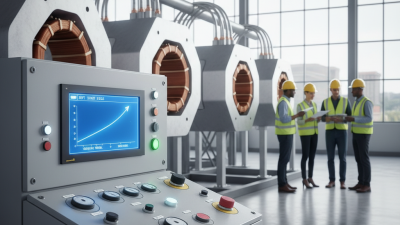
This chart illustrates the performance metrics of soft start motors, highlighting key factors such as initial torque, running torque, start time, and energy consumption. These metrics are crucial for ensuring optimal operation and efficiency in motor applications.
Comparing Soft Start vs. Direct-On-Line Starting Methods
Motor starting methods greatly influence performance and efficiency. Soft start mechanisms are increasingly popular. They provide a gradual ramp-up of power. This minimizes the initial surge current that can damage motor components. It also reduces mechanical stress on the system. In contrast, direct-on-line (DOL) starting applies the full voltage immediately, causing a sudden launch. This can lead to abrupt torque and vibration, which are hard on equipment.
DOL starting works well for small motors. It is simple and cost-effective. However, for larger systems, the disadvantages can be severe. The immediate current draw can trip circuit breakers. It may exceed the power supply capacity, leading to downtime. Some systems may even experience premature failure from repeated shocks.
Evaluating soft start versus DOL isn't straightforward. Both methods have their benefits. Soft starts can offer smoother operation, but they may add complexity and cost. The choice often comes down to specific application needs. Reflect on your system’s demands. Consider the potential for wear and tear with rapid starts. Finding balance is key for optimal performance.
The Essential Guide to the LCRV5-A External Bypass Soft Starter: Features, Benefits, and Applications
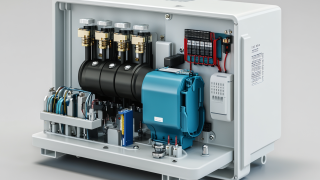
The LCRV5-A External Bypass Soft Starter is an innovative solution designed for efficient motor control in various industrial applications. One of its standout features is its unique appearance, which not only enhances its aesthetic appeal but also improves functionality. The modern design ensures better isolation and insulation, providing users with a more reliable and secure operation.
In addition to its appealing design, the LCRV5-A soft starter excels in heat dissipation, an essential feature in maintaining optimal performance and extending the lifespan of connected equipment. By effectively managing thermal output, this soft starter minimizes the risk of overheating, thereby promoting the longevity of the motor it controls. Its reliability and advanced features make it an ideal choice for industries seeking to enhance their operational efficiency and effectiveness.
Overall, the LCRV5-A External Bypass Soft Starter stands out for its remarkable combination of improved insulation, reliable heat dissipation, and robust performance, making it a valuable asset in the realm of motor control technology. Its adaptability across various applications further underscores its importance in modern industrial practices.
FAQS
: The service aims to provide convenient access to resources. It connects users with helpful information.
Anyone can use the service. It is designed for general audiences.
Most features are free. However, some may require a payment. Be aware of potential fees.
You can reach support through the designated contact form. Expect a response within 24 hours.
Technical issues can happen. Try refreshing your page first. If problems persist, report them to support.
Yes, the service is mobile-friendly. Use any smartphone or tablet to access the platform easily.
User data is important. It is stored securely, though some risks exist. Always practice safe browsing habits.
Use the "forgot password" feature to reset it. Follow the instructions sent to your email.
There may be age guidelines. Ensure that minors have parental guidance when using the service.
Feedback is welcome. Use the feedback form on the website to share your thoughts and suggestions.
Conclusion
Auto Soft Start technology is a vital advancement in motor operation, designed to enhance performance by controlling the start-up phase of motors. By gradually ramping up the voltage, this technology reduces inrush current, minimizes mechanical stress, and prolongs equipment lifespan. Implementing Auto Soft Start features can lead to significant energy savings and improved operational efficiency.
When selecting a suitable soft start controller, various factors must be considered, including motor specifications and application requirements. The installation process is straightforward, but it requires attention to detail to ensure optimal performance. Common issues such as improper settings or wiring errors can arise, but with appropriate troubleshooting tips, these challenges can be effectively managed. Overall, comparing Auto Soft Start systems to traditional Direct-On-Line starting methods highlights the benefits of smoother operation and enhanced reliability in motor applications.