Leave Your Message
0%

Picking the right Soft Start Starter in 2026? Yeah, it’s not just about comparing current ratings anymore. You’ve also got to think about motor size, load inertia, how often it starts, enclosure conditions, and how easy it is to get to it for maintenance. All of that really shapes the decision.

John Malinowski, a recognized motor-control specialist with Baldor Electric Company, has a pretty practical rule of thumb: “The best starter is the one that matches the motor and the load.” And you know what? That idea still holds up. Take a pump—it might need controlled acceleration so you don’t get water hammer. A conveyor? It may need higher starting torque, plus some careful belt protection. And a fan can benefit from less mechanical stress, though it probably doesn’t need the same settings as, say, a crusher.

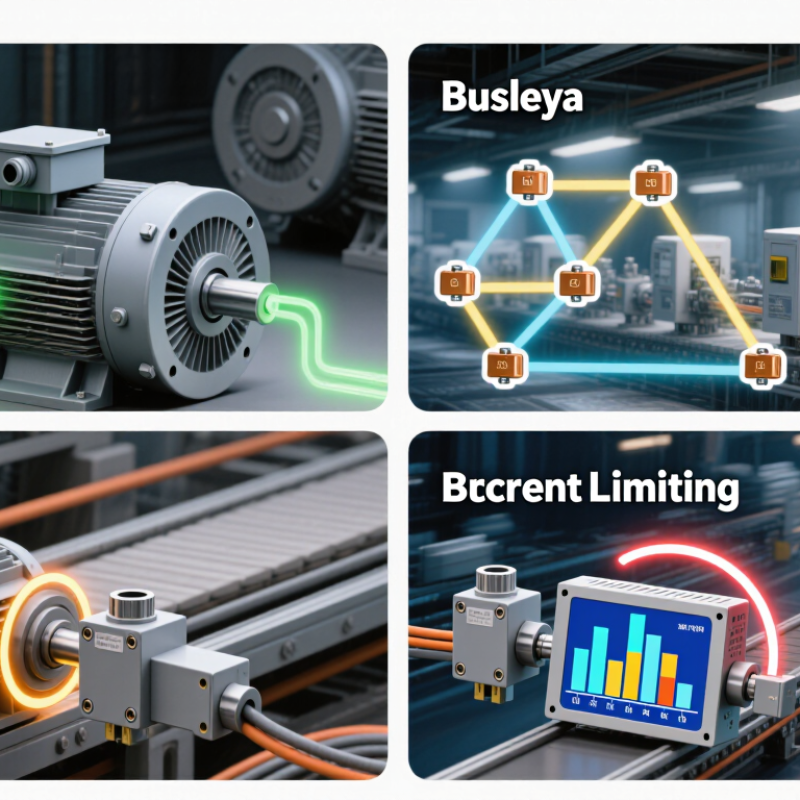
So, this guide is all about the usual Soft Start Starter types—inline, inside-delta, bypass, and current-limiting designs. We’ll look at how each one actually behaves out in the real world, whether it’s sitting in a dusty workshop panel or running on a high-cycle production line. Along the way, we’ll talk about heat, cabinet space, how much of a pain installation can be, motor protection, and what it takes to keep them going long term.

Bottom line? There’s no one-size-fits-all winner here.

A cheaper upfront price? Sometimes that just means you're gonna pay for it later—extra wiring, more cooling, stuff like that. And a compact design can look all efficient, sure, but it might not give you as many ways to adjust things. Even seasoned techs can get a load wrong if the motor starts acting different after production changes. That's a weak spot worth keeping an eye on.

Picking the right one? Honestly, a product brochure alone won't cut it. You really need motor data, the actual starting conditions, guidance from the manufacturer, and a realistic look at how you operate things. The best pick is the one that starts smoothly—without causing fresh headaches later on.
2026 Top Soft Start Starter Types Which Is Best?

What Is a Soft Starter and How Does It Work?

A Soft Start Motor Starter reduces the shock of starting an induction motor. Instead of applying full voltage instantly, it increases voltage gradually through controlled power electronics, usually thyristors. The motor then accelerates with lower starting current and gentler torque.

This process protects couplings, belts, pipes, and mechanical loads from sudden stress. During commissioning, a pump may start with a quiet hum instead of a sharp electrical thump. The controller can adjust ramp time, initial voltage, and current limiting. After the motor reaches operating speed, a bypass contactor often carries the load. This reduces heat inside the starter.

A Soft Starter is not a variable frequency drive. It controls starting and stopping, but it does not provide continuous speed regulation. That difference matters. A conveyor needing frequent speed changes may require another solution. A pump or fan needing smoother starts may benefit greatly from a soft starter.

Common options include three-phase starters, two-phase designs, and inside-delta arrangements. The correct type depends on motor wiring, rated current, load torque, and available cabinet space. Always compare the starter’s current rating with the motor nameplate, not only its horsepower. That shortcut can create trouble.

Protection settings also deserve careful attention. Excessive ramp time may overheat the motor, while a short ramp may defeat the purpose. Testing under real load is essential. My own practical view is simple: soft starting is useful, but it is not automatically the best answer for every motor.

Main Types of Soft Starters Available in 2026

Soft Starters in 2026 mainly use voltage ramp, current limit, torque control, or pump-control methods. Each type manages motor acceleration differently. A voltage-ramp starter gradually raises motor voltage, reducing sudden mechanical shock. It suits conveyors, fans, and lightly loaded machines. A current-limit starter holds starting current below a chosen level. This option works well where the electrical supply is limited.

Torque-control soft starters adjust voltage to maintain smoother motor torque. They are useful for compressors, mixers, and machines with changing loads. Pump-control models reduce water hammer by controlling acceleration and deceleration. Some modern units include an integrated bypass contactor. This lowers heat during normal running and can improve cabinet efficiency. A Soft Start Motor Starter 3 Phase is often selected for industrial pumps, crushers, and production lines with three-phase motors.

Tips: Check the motor’s rated current, starting load, duty cycle, and enclosure conditions. Measure available supply capacity before choosing a current limit. Leave room for hot ambient temperatures. A unit rated exactly at the motor current may struggle during repeated starts. Experience shows that catalog ratings can look generous, yet real dust, heat, and long cables change performance. No type is perfect. A pump controller may perform poorly on a high-inertia conveyor. Review stopping requirements too, because controlled stopping can matter as much as starting.

How Different Soft Starter Types Compare

2026 Top Soft Start Starter Types: Which Is Best?

How Different Soft Starter Types Compare

Choosing a soft starter begins with the motor’s real workload, not its nameplate alone. A pump may need gentle acceleration, while a conveyor needs stronger starting torque. Reduced-voltage starters limit inrush current through controlled voltage ramps. They are practical for fans, pumps, compressors, and lightly loaded machines. Solid-state models provide smoother control than electromechanical switching. Their heat output still requires careful cabinet ventilation.

Current-limiting types suit systems where electrical demand is the main concern. Torque-control types perform better when belts, fluids, or heavy loads resist movement. Built-in bypass designs reduce running losses after acceleration. Inside-delta arrangements can fit certain motor systems, but wiring errors can cause costly damage. Check the motor connection carefully. Digital models offer clearer settings, fault records, and monitoring. Simpler analog units may be easier to maintain in dusty workshops.

A reliable Soft Start Starter Supplier should explain starting torque, duty cycles, overload protection, and installation limits. Ask for test data under a load similar to yours. A no-load demonstration can mislead. I would also inspect terminals after repeated starts, because loose connections create heat before obvious failure appears. One detail is easy to overlook: frequent starts may need a higher-rated unit than continuous operation. The “best” type is rarely the cheapest one. It is the one that starts the load without belt shock, nuisance trips, or unnecessary cabinet heat.

Key Factors for Choosing the Best Soft Starter

2026 Top Soft Start Starter Types Which Is Best?

Choosing the best soft starter begins with the motor, not the catalog label. A pump may need a gentle voltage ramp to reduce water hammer. A conveyor may need higher starting torque for a loaded belt. In field commissioning, I check motor full-load current, voltage, starting frequency, and load inertia before selecting a unit.

Current limiting is valuable when the electrical supply is weak. However, excessive limiting can leave a heavy motor unable to accelerate. A voltage-ramp model may suit fans and pumps, while torque-control models can provide smoother mechanical movement.

Check the starter’s rated current, overload capacity, bypass contactor design, and cooling requirements. Small details matter.

Very much.

The enclosure should match dust, moisture, and ambient temperature at the installation site. Protection features should include phase loss, overtemperature, stall, and excessive starting time. An experienced Soft Start Starter Manufacturer should provide clear wiring diagrams, thermal data, parameter guidance, and technical support. Ask for tested application examples, not vague promises. A cheaper unit may appear efficient, but poor ventilation can shorten its service life. I have seen installations fail because engineers sized the starter only by motor horsepower. That shortcut still causes trouble. Leave room for actual operating conditions, maintenance access, and future load changes.

Best Soft Starter Types for Common Motor Applications

2026 Top Soft Start Starter Types Which Is Best?

Best Soft Starter Types for Common Motor Applications

Choosing a soft starter depends on the motor load, starting torque, and site conditions. In field installations, a voltage-ramp starter suits fans and centrifugal pumps. These loads usually accelerate smoothly with modest torque demand. It reduces mechanical shock and limits sudden pressure changes in piping.

Current-limit soft starters work better with conveyors, mixers, and loaded pumps. They hold starting current near a selected value while the motor gains speed. This approach helps prevent nuisance trips on weaker electrical supplies. However, excessive current limiting may leave a conveyor moving too slowly. The setting needs testing under real load.

Torque-control models provide more accurate acceleration and deceleration. They are useful for pumps, compressors, and systems where water hammer is a concern. For heavy-duty applications, a dual-adjustment unit can combine ramp control with current limiting. Inside-delta installation may reduce the required device rating, but wiring becomes more complex. A bypass contactor also lowers heat during normal running. It needs proper protection and inspection.

There is no perfect type. Site measurements matter. Check motor data, load inertia, starts per hour, and enclosure temperature. I have seen installations fail because engineers sized the starter only by motor power. That shortcut ignores starting torque and cable conditions. A practical commissioning test should record voltage, current, acceleration time, and motor temperature. Small adjustments often improve performance more than choosing a larger starter.

2026 Top Soft Starter Types: Which Is Best? — Best Soft Starter Types for Common Motor Applications

Soft Starter Type Control Method Starting-Current Reduction Torque Control Typical Starting Performance Best Common Motor Applications Main Advantages Main Limitations Application Fit
Open-Loop Voltage-Ramp Silicon-controlled rectifiers gradually increase the applied motor voltage according to a preset ramp. Moderate to high reduction compared with across-the-line starting; the actual result depends on motor load and ramp settings. Basic. Torque changes with the applied voltage and motor characteristics rather than being directly regulated. Smooth acceleration for loads with relatively predictable starting torque requirements. Centrifugal pumps, fans, blowers, and lightly loaded conveyors. Simple setup, lower cost, reduced mechanical shock, and reduced voltage drop during starting. May provide insufficient torque for high-inertia or high-breakaway-torque loads; settings may require field adjustment. ★★★★☆
Current-Limit Soft Starter The controller limits motor current to a selected value while allowing voltage to rise as needed. Predictable current limiting, commonly selected according to the motor and load requirements. Better than a basic voltage ramp because current is actively controlled, but torque is not measured directly. Controlled acceleration where limiting the supply-current peak is more important than achieving a fixed ramp time. Long conveyors, refrigeration compressors, pumps with restricted electrical capacity, and generators. Helps control peak current and voltage drop; useful when the power source has limited short-term capacity. Acceleration time can vary with load; excessive current limiting can cause slow acceleration or motor heating. ★★★★★
Closed-Loop Current-Controlled Feedback sensors measure motor current and the controller continuously adjusts the SCR firing angle. High and repeatable current control when correctly sized and configured. Good indirect torque control through measured current feedback. More consistent starting across changing load conditions than open-loop control. Variable-load conveyors, mixers, crushers with moderate starting demand, and process machinery. Improved repeatability, adjustable current limit, and better protection against excessive starting current. Higher cost and greater setup complexity; it still cannot provide the full speed-control range of a variable-frequency drive. ★★★★★
Torque-Controlled Soft Starter Uses motor feedback and a control algorithm to regulate acceleration or deceleration according to torque-related behavior. Usually good, although current reduction depends on the load torque profile and the selected control strategy. Advanced. Designed to manage torque more directly during starting and stopping. Very smooth acceleration and deceleration with reduced coupling, belt, and pipe-system stress. Water pumps, conveyors with fragile products, belt-driven systems, and applications requiring controlled stopping. Reduces water hammer and mechanical shock; provides smoother stopping than a simple voltage ramp. Requires correct motor and load data; performance depends on controller tuning and the application profile. ★★★★★
Soft Starter with Integrated Bypass Semiconductor devices control acceleration, then an internal contactor bypasses them during continuous running. During starting, it provides the same current reduction as the selected control mode; bypass does not affect starting current. Depends on the control mode used during acceleration. Normal soft-start performance followed by efficient full-voltage operation. Fans, pumps, compressors, and conveyors that run at nearly constant full speed. Lower heat loss during normal operation, reduced enclosure cooling requirements, and extended semiconductor service life. Does not provide continuous speed control; the bypass contactor adds switching components that require proper coordination. ★★★★★
Inside-Delta Soft Starter The starter is connected in series with each motor winding inside a compatible six-lead delta motor circuit. Can reduce the current carried by the starter relative to a line-connected arrangement, subject to manufacturer and motor compatibility requirements. Depends on the starter's control algorithm and feedback method. Suitable for larger motors where the motor terminals and wiring arrangement support inside-delta connection. Large pumps, fans, compressors, and conveyors using compatible delta-connected motors. Can reduce the required starter current rating and support retrofit flexibility in some installations. Not suitable for every motor; requires six accessible motor leads, correct phase connections, and careful installation. ★★★★☆
Medium-Voltage Soft Starter Power semiconductor modules regulate reduced voltage on medium-voltage motor circuits using specialized insulation and protection systems. Controls inrush current for medium-voltage motors; exact limits depend on the motor, load, and system design. Typically advanced, with current feedback and configurable acceleration and stopping profiles. Controlled starting for high-power motors without the mechanical and electrical impact of across-the-line starting. Large pumps, fans, compressors, mills, conveyors, and industrial process equipment. Reduces electrical disturbances and mechanical stress in high-power installations. Higher purchase cost, specialized switchgear, greater safety requirements, and more demanding maintenance procedures. ★★★★☆
Reversing Soft Starter Combines soft-start control with contactor-based forward and reverse motor connection switching. Provides reduced-current starting in either permitted direction; reversing should occur only after the motor has stopped unless the equipment is specifically designed otherwise. Depends on the selected voltage, current, or torque-control mode. Smooth starting in both directions with controlled directional operation. Bidirectional conveyors, gates, hoists with appropriate controls, and material-handling equipment. Reduces shock in reversing applications and simplifies directional motor control. More contactors and interlocks are required; it is not a substitute for a variable-frequency drive when frequent speed changes are needed. ★★★☆☆

Selection note: The most suitable type depends on motor voltage, rated current, load inertia, breakaway torque, required start frequency, stopping requirements, available fault current, and whether continuous speed control is needed. A soft starter is generally best for fixed-speed applications that need smoother starting or stopping; a variable-frequency drive is usually more suitable when adjustable speed or high starting torque at low speed is required.

Soft Starter Installation, Protection, and Maintenance Considerations

2026 Top Soft Start Starter Types Which Is Best?

Soft starter selection begins with the motor and driven load, not the enclosure label. A centrifugal pump may need controlled acceleration and reduced water hammer. A conveyor may require higher starting torque. The U.S. Department of Energy’s Motor Systems Market Assessment reports that motor systems consume about 68% of industrial electricity in the United States. Soft starters do not usually reduce running energy, but they can limit starting stress and process disruption.

Installation needs careful coordination. Follow IEC 60947-4-2 and local electrical requirements. Provide short-circuit protection, overload protection, phase-loss detection, and suitable grounding. Check the starter’s bypass arrangement, cable size, enclosure ventilation, and motor connection method. A soft starter installed inside a hot cabinet may derate early. That detail is easy to miss. The International Energy Agency also identifies motor-driven systems as a major share of global electricity demand, making correct setup financially important.

Maintenance should include terminal torque checks, cooling-fan inspection, thermal scanning, and event-log reviews. Dust on heat sinks can raise semiconductor temperature before an alarm appears. Test emergency stopping and protection functions under controlled conditions. Keep records of acceleration time, current, fault codes, and load changes. In field practice, settings are sometimes copied from another motor. That is not reliable. Starting torque, pump pressure, ambient temperature, and mechanical condition can change the result. A commissioning test with measured current is safer than trusting default values.

LCRVM-C Series Online Soft Starter: Reliable Motor Control for Efficient Industrial Operations

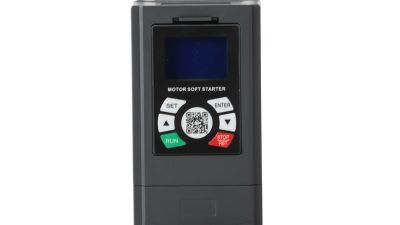
The LCRVM-C Series Online Soft Starter is designed to provide practical and reliable motor control for a wide range of industrial operations. As an economical solution developed to meet growing market demand, it helps reduce the impact of motor starting by controlling voltage and current during acceleration. This supports smoother motor performance, minimizes mechanical stress, and helps protect connected equipment from sudden electrical and mechanical shocks.

With its online soft-start design, the LCRVM-C Series can contribute to more efficient operation in pumps, fans, compressors, conveyors, and other motor-driven systems. By enabling controlled starting and stopping, it may help reduce maintenance requirements, improve equipment service life, and create a more stable working environment. Its cost-effective design makes it suitable for businesses seeking dependable motor management without unnecessary complexity, while its strong market acceptance reflects its practical value in everyday industrial applications.

FAQS

What is a soft starter?

A soft starter gradually increases motor voltage during startup. It reduces electrical current and mechanical shock. The motor starts more gently.

How does a soft starter protect equipment?

It reduces sudden torque on couplings, belts, pipes, and connected loads. A pump may begin with a quiet hum instead of a sharp jolt.

Is a soft starter the same as a variable frequency drive?

No. A soft starter manages starting and stopping only. It does not provide continuous speed control.

Which machines often benefit from soft starting?

Pumps, fans, conveyors, compressors, mixers, and production equipment may benefit. Pumps can experience less water hammer during controlled stopping.

What types of soft starters are available?

Common designs use voltage ramps, current limits, torque control, or pump-control methods. Three-phase and inside-delta arrangements are also available.

How should I choose the correct rating?

Compare the starter’s current rating with the motor nameplate. Do not rely on horsepower alone. A quick shortcut can create trouble.

Which settings require careful adjustment?

Check ramp time, initial voltage, current limits, and stopping behavior. A long ramp may overheat the motor. A short ramp may provide little benefit.

Does a bypass contactor matter?

Often, yes. After acceleration, it can carry the running current and reduce starter heat. Cabinet temperature still needs checking.

Can one soft starter fit every application?

No. Load torque, wiring, duty cycle, cabinet space, dust, heat, and cable length all matter. I would test under the real load, not assume.

Conclusion

A Soft Start Starter is a motor-control device that gradually increases voltage during startup, reducing inrush current, mechanical stress, voltage dips, and sudden acceleration. In 2026, common types include voltage-ramp starters, current-limiting starters, torque-control models, bypass-equipped units, and integrated intelligent starters. Each design offers different advantages in starting smoothness, energy management, protection, control flexibility, and installation cost. Comparing these features helps users select the most suitable option for pumps, fans, compressors, conveyors, crushers, and other motor-driven equipment.

Choosing the best Soft Start Starter requires evaluating motor power, load characteristics, starting frequency, environmental conditions, control requirements, and available protection functions. Proper sizing, compatible wiring, overload and phase-loss protection, ventilation, grounding, and correct bypass configuration are essential for safe and reliable operation. Regular inspection of connections, cooling components, settings, and fault records can further extend service life and maintain stable motor performance.

Noah

Noah

Noah is a dedicated marketing professional at Zhejiang Luoka Electric Co., Ltd., where he leverages his extensive knowledge of the company's innovative products to enhance brand visibility and drive customer engagement. With a strong focus on electrical devices, Noah meticulously crafts insightful......
Previous 15kW Soft Starter 7 Buying Tips for Global Buyers?