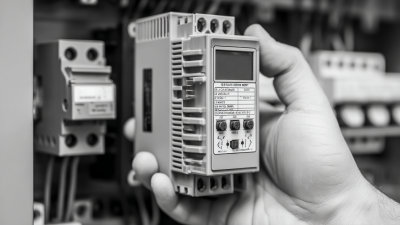
In the world of industrial automation, the 3 Phase Soft Starterreally stands out as a pretty important component. This little device brings some serious perks for controlling motors and saving energy. You know, companies like Siemens and Allen-Bradley have definitely jumped on board and are using it because it works so well. Essentially, the 3 Phase Soft Starter helps lower that huge initial surge of current—that shock on the machinery—so everything runs smoother and lasts longer.
But honestly, some folks tend to overlook what this thing can actually do. It’s super important to weigh the initial cost against the long-term savings. Yeah, it might seem pricey upfront, but in the long run, you get a lot of advantages—less maintenance headaches and equipment that stays in good shape longer, just to name a couple.
That said, not every application is a perfect fit for a 3 Phase Soft Starter. It’s crucial to really understand what your specific needs are before jumping in. Sometimes, integrating this technology into older systems can be tricky, so taking the time to analyze your setup properly is key. When you think about all of this—cost, benefits, system compatibility—you’ll be in a much better place to make smart decisions and get the most out of your investment.
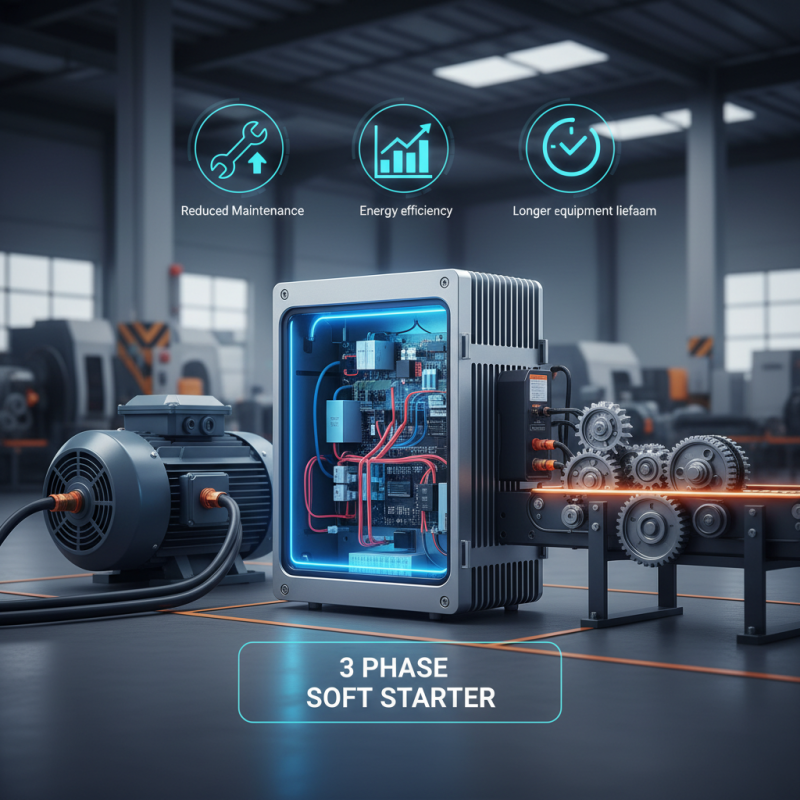
In industrial applications, a Single Phase Soft Starter offers various advantages. One notable benefit is reduced mechanical stress on equipment. By controlling the voltage and current, these devices minimize the sudden torque. This leads to a longer lifespan for motors and machinery.
Another important feature is energy efficiency. Soft Starters regulate the electrical flow, which can significantly decrease energy consumption during the startup phase. This optimization is especially beneficial in systems with high demand. Operators often notice a decrease in energy costs after installing these starters.
**Tip:** Consider monitoring your equipment to see how a soft starter impacts performance.
Additionally, incorporating safety features is crucial. Many soft starters include built-in protection mechanisms, preventing overheating and overload. This aspect is vital in maintaining operational safety in a busy industrial environment. Always review the specific safety settings and recommendations for your machinery.
**Tip:** Regular maintenance checks can enhance the effectiveness of soft starters. Reflect on whether your current systems prioritize safety adequately.
| Feature | Benefit | Industrial Application |
|---|---|---|
| Reduced Inrush Current | Minimizes electrical stress on motor and network | Pumps and fans |
| Smooth Motor Start | Prevents mechanical shock and extends equipment life | Conveyors and crushers |
| Programmable Control Options | Enhances adaptability to various applications | Manufacturing and assembly lines |
Modern soft starters come equipped with enhanced motor protection features that are essential for industrial applications. According to a recent industry report, up to 50% of motor failures can be attributed to issues like overload or excessive start-up torque. Soft starters mitigate these risks by providing controlled acceleration. They help protect motors from damage right from the moment they are powered on.
Another important aspect is thermal overload protection. This feature continuously monitors the motor's temperature, reducing the risk of overheating. A study indicates that properly protected motors can last 20-30% longer than those without such protections. This can play a significant role in reducing maintenance costs. Furthermore, soft starters can be programmed for specific parameters, allowing for adjustments based on operational needs.
Despite these advancements, challenges remain. Not all systems automatically adjust to varying loads. This can lead to inefficiencies. Understanding these limitations is crucial. Operators should regularly review and test system settings to ensure optimal performance. Even with the best technology, a lack of oversight can result in wasted energy and increased wear on equipment.
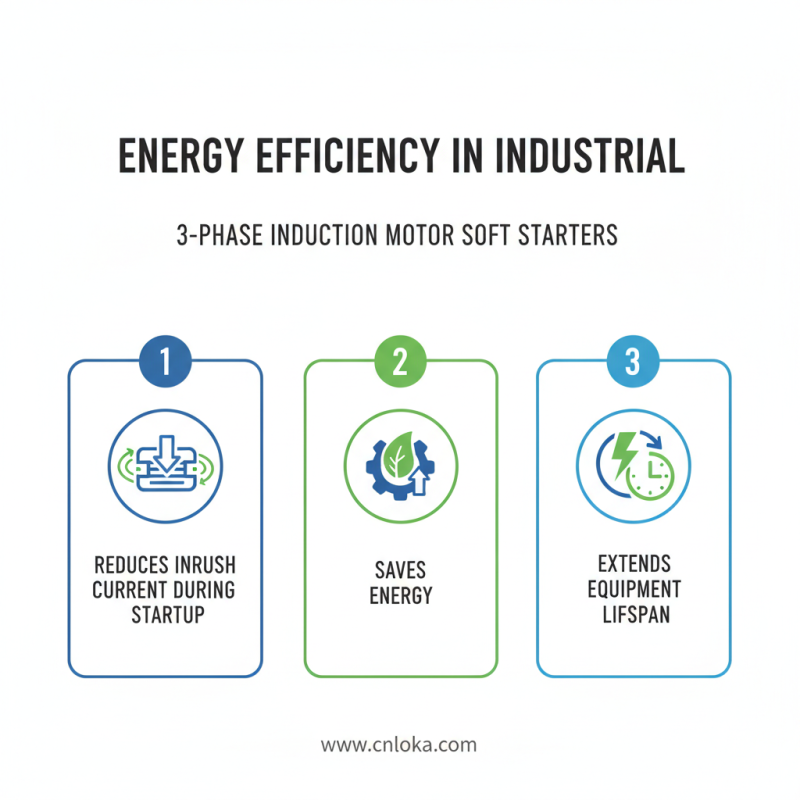
Energy efficiency has become a priority in industrial applications. One way to achieve this is through the use of 3 Phase Induction Motor Soft Starters. These devices reduce the inrush current during motor startups. This action not only helps in saving energy but also extends the lifespan of electrical components.
By gradually ramping up the motor speed, soft starters minimize mechanical stress. This feature is essential for equipment that is sensitive to sudden torque changes. It aids in preventing wear and tear on couplings and belts. The improved control can lead to more consistent operations. As a result, many facilities are implementing these solutions to enhance overall productivity.
Despite their advantages, not all users fully understand the installation process. Some may overlook essential parameters, leading to inefficiencies. Personal experience has shown that the right settings are crucial for maximizing benefits. Balancing energy savings with operational demands is a delicate task. Users often reflect on how minor adjustments could enhance their systems.
In industrial settings, mechanical stress can be a silent killer of equipment. The introduction of a soft starter for three-phase induction motors significantly reduces this stress during startup. Traditional methods often create abrupt torque changes that may lead to premature wear and tear. A soft starter ensures a smooth ramp-up of motor speed. This gradual change minimizes the jerking motion, protecting both the motor and connected machinery.
Extended equipment lifespan is another crucial benefit. Over time, the reduction in mechanical stress translates to fewer breakdowns and lower maintenance costs. This can be particularly important for operations relying on heavy machinery. A soft starter aids in achieving this longevity, presenting a more sustainable option for businesses. However, implementing such technology involves upfront costs that some may hesitate to embrace.
It’s not just about saving money. There's a balance to strike between initial investment and long-term gains. The challenge lies in assessing the real value soft starters bring to your operations. In time, the right decision may enhance not only your equipment’s durability but also overall productivity.
In 2026, soft starters are evolving. Smart features are at the forefront. Enhanced connectivity options are changing how these devices interact with other systems. Wi-Fi and Bluetooth enhancements provide remote access. Users can monitor performance in real-time. This makes troubleshooting easier and faster.
Phase Loss Soft Starter technology is gaining attention. These starters protect motors from phase loss issues. When a phase is lost, the system alerts users immediately. This prevents potential damage and downtime. Flexibility is another notable feature. Many models allow users to customize settings based on their needs.
However, not everything is perfect. Some devices may have connectivity issues. Users report occasional drops in Wi-Fi signals. This can affect performance monitoring. Reflection on these limitations is essential for improvement. Continued development in smart technology is necessary. Still, the benefits are clear and significant.
Using phase soft starters can provide substantial cost savings and enhance ROI for many businesses. They help reduce energy consumption during motor start-up. Less energy means lower utility bills, which can significantly impact the bottom line. In addition, phase soft starters minimize wear and tear on equipment, leading to lower maintenance costs and longer lifespans for motors.
Tips: Always evaluate the specific motor and application before selecting a soft starter. Understanding your needs can save money in the long run.
Investing in phase soft starters often results in better operational efficiency. This improved efficiency can lead to increased production uptime and reduced operational disruptions. However, not all setups may benefit equally. Some facilities may require additional modifications to fully leverage this technology.
Tips: Consider potential installation costs and any needed adjustments. A thorough analysis ensures that you understand risks and benefits fully.
This chart illustrates the key benefits of using three-phase soft starters, highlighting their cost savings, efficiency improvements, and ROI. As more industries adopt soft starters, understanding their advantages becomes essential for investment decisions.
The future of phase soft starter technology is looking bright. Innovations aim for greater efficiency and controllability. New designs are emerging, incorporating advanced algorithms. These enhancements help reduce energy consumption significantly. Lower energy use contributes to cost savings on electricity bills. Customers often seek technologies that also minimize environmental impact. This shift makes soft starters more appealing.
In addition to efficiency, reliability is a key focus. As industries evolve, the need for durable solutions grows. Future innovations are expected to improve operational longevity. For instance, improved thermal management can reduce overheating risks. However, there are challenges. Ensuring these new features do not complicate installation processes is crucial. Complexity can deter potential users.
Moreover, connectivity features are expanding. IoT integration allows easier monitoring and diagnostics. Users can receive real-time data on performance. Yet, this may require training. Not all technicians are familiar with digital interfaces. Creating intuitive user experiences is essential. Balancing innovation and simplicity will be a continuing challenge. The industry must adapt while keeping user needs in mind.
: The product aims to enhance daily life through convenience and efficiency in various tasks.
It utilizes basic technology to simplify processes. You input a command, and it executes tasks accordingly.
Yes, features include user-friendly interfaces, adjustable settings, and real-time feedback functionalities.
Users sometimes struggle with setup and connectivity. It may not always respond as expected.
Start by checking connections and settings. Restarting the device might resolve minor issues, but not always.
Yes, there are services to assist users. However, wait times can be longer than anticipated.
User feedback is welcomed. Suggestions may lead to changes, but there are no guarantees for implementation.
Report it to the support team. Solutions may take time, requiring patience and understanding from users.
Most people find it manageable, though some may need extra help. Instructions could be clearer for new users.
Consider your needs and how the product fits your lifestyle. Also, reflect on potential limitations.
The article discusses the significant benefits and features of 3 Phase Soft Starters, particularly in industrial applications. Key advantages include enhanced motor protection that safeguards against overload conditions and provides reliable operation. Additionally, these devices contribute to energy efficiency by optimizing motor control during startup, directly reducing energy consumption. The reduced mechanical stress they provide allows for longer equipment lifespan, minimizing the need for frequent replacements and repairs.
The 2026 models are equipped with smart features and connectivity options that support real-time monitoring and diagnostics, improving operational efficiency. Furthermore, a cost savings and ROI analysis highlights the potential financial benefits of investing in 3 Phase Soft Starters. The article concludes by exploring future trends in Phase Soft Starter technology, signaling continuous innovations aimed at increasing performance and reliability in industrial settings.