Leave Your Message
0%

Honestly, buying a 15kw Soft Starter can look like a straightforward job—until the motor hits a tough load, the voltage starts bouncing around, or the plant room is full of dust. For buyers around the world, it’s not just about matching the power label. You need a setup that actually fits the motor current, starting torque, enclosure, and the local electrical conditions.

Dr. Peter Vas, who’s a well-respected motor-drive researcher, put it nicely: “Motor starting is a system problem, not only a switchgear problem.” That’s worth keeping in mind when you’re comparing a Soft Starter 15kw for pumps, compressors, conveyors, or fans. A pump might be fine with smooth acceleration, but a fully loaded conveyor may need a lot more torque right at the start. Same rating doesn’t mean same result.

The little things really do matter. Look at the motor’s rated current, supply voltage, phase setup, bypass contactor, overload protection, and how many starts per hour it can handle. Check whether it uses a built-in or external bypass. If it’s going near washdown equipment, look at the IP rating first. And don’t be shy—ask for IEC test evidence, temperature derating data, wiring diagrams, and a clear warranty process.

Price is only one piece of the puzzle. Freight, spare parts, commissioning support, and replacement lead time can all change the real cost. Some suppliers have shiny specs but pretty weak documentation. That’s a red flag. I’ve seen buyers forget about cabinet ventilation and then regret it once summer hit. Don’t make that mistake.

These seven buying tips can help international purchasers compare suppliers with a sharper eye. They also give you a moment to think: even a technically correct 15kW soft starter can still fail if your assumptions about the application are off.
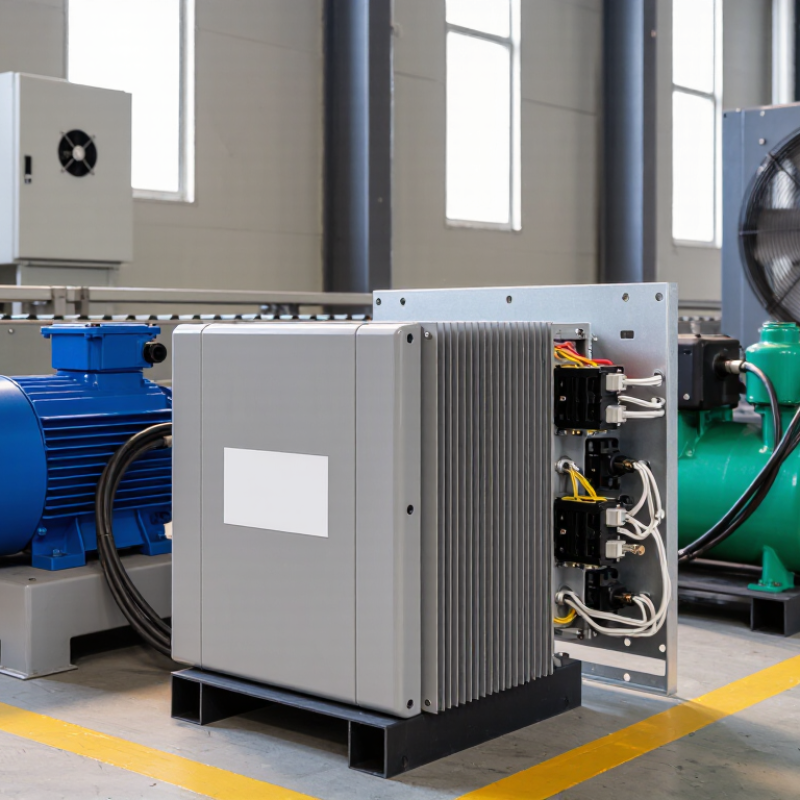
15kW Soft Starter 7 Buying Tips for Global Buyers?

Understanding What a 15kW Soft Starter Does

A 15kW soft starter controls how an induction motor begins running. It gradually increases voltage through semiconductor switches, reducing inrush current, mechanical shock, and belt or pump stress. A 15kW motor equals roughly 20 horsepower. At 400V, three-phase operation often requires about 28–32A, depending on efficiency and power factor. Confirm the nameplate.

The International Energy Agency reports that electric motor systems use nearly half of global electricity. Small improvements can therefore matter. Yet a soft starter does not normally reduce running energy like a variable frequency drive. It mainly improves starting performance. Choose a unit with a suitable motor rating, current range, bypass contactor, overload protection, and compatible control voltage. Check the starting class and duty cycle. Pump applications may need controlled stopping to limit water hammer. Compressor and conveyor loads need different settings. Do not size only by kilowatts. That shortcut can fail.

Tips: Verify three-phase voltage, motor full-load current, enclosure rating, ambient temperature, installation altitude, and communication requirements. IEC 60947-4-2 provides a useful reference for AC semiconductor motor controllers. Read the thermal derating table carefully. A unit rated 15kW at 40°C may perform differently inside a hot cabinet. Ask for tested starting data, not only a catalogue claim. In field commissioning, I would record starting time, current peak, and motor temperature. The first setting is rarely perfect. A slower ramp can reduce shock, but excessive ramp time may overheat the motor. Check it in real conditions.

Matching the Soft Starter to Motor Voltage and Load Type

A 15kW soft starter should match the motor’s actual voltage, not only its power rating. A 15kW motor may operate at 230V, 400V, or 480V, with very different full-load currents. Read the motor nameplate carefully. Check the starter’s rated voltage, current range, frequency, and connection method. A small mismatch can cause nuisance trips, overheating, or poor acceleration. Ask a qualified electrician to verify the installation and local electrical requirements.

Tips: Tip 1: Select the voltage shown on the motor nameplate. Tip 2: Size by motor current, not 15kW alone. Tip 3: Confirm whether the motor uses three-phase direct-line wiring. Tip 4: Match the load profile. Pumps usually need smooth acceleration, while conveyors may require higher starting torque. Tip 5: Allow extra capacity for frequent starts. Tip 6: Check bypass contactor ratings and enclosure protection. Tip 7: Consider altitude, ambient heat, and cabinet ventilation.

Load type matters more than many buyers expect. A lightly loaded fan may start easily, but a loaded crusher or conveyor can demand strong torque for several seconds. A soft starter adjusted too gently may leave the motor stalled. Too aggressive, and the mechanical system may jerk. That balance is easy to underestimate. In real installations, commissioning measurements are more reliable than assumptions. Record starting current, ramp time, and voltage drop during testing. The first setting may not be perfect. Revising it is normal.

15kW Soft Starter: 7 Buying Tips for Global Buyers — Matching the Soft Starter to Motor Voltage and Load Type

Use the motor nameplate current, supply voltage, starting duty, and driven-load characteristics as the primary selection criteria.

Tip Selection Dimension Practical Data for a 15kW Motor Recommended Soft Starter Requirement Load-Type Matching Global Buyer Verification Point
1 Match the rated voltage Common three-phase motor ratings include 230V, 400V, 415V, 460V, 480V, and 690V. A 15kW motor does not have the same full-load current at each voltage. Select a starter whose operating voltage range includes the actual motor and supply voltage. Confirm whether the unit supports the required line frequency, such as 50Hz or 60Hz. Voltage matching is required for all loads, including pumps, fans, compressors, conveyors, and mixers. Check the motor nameplate, local grid standard, allowable voltage tolerance, and whether the starter uses a fixed rating or a configurable voltage range.
2 Size by motor full-load current Approximate full-load current for a typical 15kW, three-phase motor at 50Hz, assuming 90% efficiency and 0.85 power factor:
230V: 49.0A  |  400V: 28.1A  |  415V: 27.1A  |  460V: 24.4A  |  480V: 23.4A  |  690V: 16.3A.
Choose the soft starter according to the actual nameplate FLA, not only the motor power. Allow for the manufacturer’s rated current, overload class, ambient temperature, and installation derating. For high-inertia loads, frequent starts, or long acceleration times, select the next suitable current rating rather than using the smallest nominal 15kW model. The listed currents are engineering estimates. The motor nameplate value takes priority because efficiency, power factor, design, and service conditions vary.
3 Identify the load torque profile Typical load categories are: variable-torque loads such as centrifugal pumps and fans; constant-torque loads such as conveyors and positive-displacement pumps; and high-inertia loads such as large blowers and centrifuges. Confirm the starter’s starting current, overload capacity, and permissible ramp time for the selected duty. Variable-torque loads usually require less starting torque. Constant-torque and high-inertia loads generally require more current and a longer controlled acceleration period. Ask for the load inertia, breakaway torque, normal operating speed, start frequency, and whether the load can start fully loaded.
4 Set the acceleration and deceleration correctly A common initial setting is an acceleration ramp of approximately 5–15 seconds. The correct value depends on the load and the required mechanical response. Select a unit with adjustable initial voltage, current limit, acceleration time, and deceleration or soft-stop functions when required. Soft stop can reduce water hammer in pump systems. Conveyors may need a controlled stop to prevent material movement, while fans may require a longer coast-down time. Verify that the control settings are available in the required language or interface and that the unit can be commissioned by local technicians.
5 Check starting frequency and duty cycle A starter used for occasional starts has a lower thermal burden than one starting a motor repeatedly throughout the hour. Frequent starting increases semiconductor and heatsink temperature. Compare the required starts per hour, starting duration, duty class, and thermal reset requirements with the starter datasheet. Hoists, indexing conveyors, compressors, and process machines may require more frequent starts than standard pump or fan applications. Request derating data for high ambient temperatures, enclosed panels, high altitude, and limited cabinet ventilation.
6 Confirm bypass and protection functions An internal or external bypass contactor can reduce heat dissipation after the motor reaches full speed. Useful protections include overload, phase loss, phase sequence, under-voltage, over-voltage, and over-temperature monitoring. Confirm whether bypass is built in and whether the starter provides electronic motor overload protection or requires a separate overload relay. Pump applications may benefit from underload or dry-run monitoring, while conveyors and compressors may require stall and locked-rotor protection. Check coordination with upstream fuses or circuit breakers, short-circuit withstand ratings, emergency-stop circuits, and applicable installation regulations.
7 Verify installation, communication, and service support Confirm enclosure requirements, cooling clearance, cable size, control voltage, digital inputs, relay outputs, and available communication interfaces. Select the correct IP or NEMA enclosure arrangement for the installation environment and ensure that control terminals match the automation system. Remote monitoring is especially useful for pumps, fans, compressors, and conveyor systems operating at dispersed sites. Verify conformity with the destination market’s electrical requirements, documentation language, spare-part availability, warranty terms, and local technical support.

Engineering note: The approximate current values are calculated using I = P / (√3 × V × efficiency × power factor), with 90% efficiency and 0.85 power factor. Always use the actual motor nameplate current and the soft starter manufacturer’s application table for final sizing.

Checking Current Rating, Duty Cycle, and Starting Performance

For a 15 kW soft starter, current rating deserves more attention than motor power. At 400 V, a typical three-phase motor draws roughly 28–32 A at full load. However, cable length, ambient temperature, service factor, and enclosure heat can raise the real requirement. Select the starter by the motor’s full-load current, not by “15 kW” alone. IEC 60947-4-2 uses AC-53 utilization ratings to describe current, starting time, and operating frequency. Check the complete AC-53a or AC-53b code. A larger frame may be sensible when frequent starts are expected.

Duty cycle exposes weak sizing decisions. A pump starting twice daily is very different from a conveyor restarting every few minutes. Thermal models must consider starts per hour, acceleration time, and the pause between starts. The U.S. Department of Energy reports that motor-driven systems consume about 69% of industrial electricity, so inefficient starting and repeated thermal stress can become expensive. Starting performance should be tested with the actual load. Current limiting helps reduce mechanical shock, while a voltage ramp can prevent abrupt torque. Yet a long ramp may overheat the motor. It may also fail to overcome static friction. Measure starting current, acceleration time, and voltage dip during commissioning. Do not trust factory defaults blindly. NEMA MG 1 notes that motor starting behavior varies with design and supply conditions, making nameplate data essential. A short field test can reveal more than a confident datasheet.

Evaluating Bypass, Protection, and Control Features

A 15kw Soft Starter should be judged by its control and protection functions, not only its motor rating. During site testing, watch the motor start under real load, not an empty bench. Adjustable voltage ramps can reduce belt shock, pipe pressure, and mechanical noise. Current limiting is valuable when a pump starts against resistance. Keep settings practical.

Buying tip: Check the bypass arrangement carefully. An internal bypass contactor reduces heat after acceleration, which helps inside a crowded control cabinet. Confirm its switching capacity and expected service life. External bypass wiring may offer easier maintenance, but it requires more panel space and accurate installation. I have seen compact systems become difficult to service.

Protection deserves equal attention. Look for overload, phase-loss, overcurrent, under-voltage, over-voltage, and excessive-start protection. A readable fault history helps technicians find intermittent problems. Control inputs should support clear signals for start, stop, reset, and emergency isolation. Relay outputs can report “running” or “fault” to a wider system. Buying tip: Verify control voltage, communication options, enclosure conditions, and local electrical requirements before ordering. Do not assume every 15kw Soft Starter uses the same terminals or settings. That assumption can create delays. Test the ramp with the actual cable length and motor load. The first setting may be wrong.

Confirming Installation Requirements and Environmental Ratings

At 15kW, installation planning should begin with the motor, not the product label. Confirm rated voltage, current, frequency, phase, and starting load. Compare these values with the soft starter’s operating range. Check cabinet space, cable entry, airflow, bypass wiring, and upstream protection. Measure twice.

Environmental conditions can change performance quickly. Record the highest temperature, altitude, humidity, dust level, vibration, and nearby chemical vapors. A device rated for indoor use may need a protected enclosure outdoors. Check the required IP or NEMA rating, but do not assume it protects every internal component. Derating may apply above 40°C or at high altitude. Condensation also deserves attention. A small cabinet heater might prevent moisture damage. Dust changes everything.

Ask a Soft Starter 15kw Supplier for clearance diagrams, terminal torque values, cable specifications, short-circuit ratings, and derating tables. Request installation guidance for grounding and control wiring. During commissioning, measure motor current during acceleration and inspect terminal temperature after several cycles. I have seen projects pass a basic startup test, then overheat because ventilation was blocked by a nearby panel. That mistake is easy to miss. An experienced installer should verify the final enclosure, wiring route, and emergency isolation arrangement on site.

Comparing Certifications, Compatibility, and Global Standards

Choosing a 15kW soft starter requires more than comparing price and rated current. A credible Soft Starter 15kw Manufacturer should provide IEC 60947-4-2 conformity, test records, and clear installation limits. Check whether certification applies to the complete unit, not only internal components. For North American projects, review applicable UL requirements and short-circuit current ratings. For other markets, verify local acceptance rules before ordering.

Compatibility deserves closer attention. Confirm motor voltage, frequency, starting current, bypass contactor design, enclosure rating, and communication options. A 15kW motor may behave differently with heavy conveyors, pumps, or compressors. IEA’s Electricity 2024 report forecasts average global electricity-demand growth of 3.4% from 2024 to 2026. The U.S. Department of Energy also reports that motor-driven systems consume roughly 60% to 70% of industrial electricity. Correct starting control can therefore support practical energy management, though savings depend on the load profile.

Ask for EMC test evidence, thermal derating curves, and coordination data for fuses or circuit breakers. Request a sample wiring diagram. Then compare it with your actual control cabinet. Specifications alone are not enough. I still question vague claims such as “global standard” without certificate numbers, issuing bodies, or test dates. That small doubt can prevent a costly replacement.

15 kW Soft Starter: 7 Buying Tips for Global Buyers

The chart shows the estimated three-phase input current for a 15 kW motor at common supply voltages. The calculation assumes 92% motor efficiency and a 0.85 power factor: I = P / (√3 × V × efficiency × power factor). Actual current depends on the motor, load, starting conditions, and installation requirements.

Seven Buying Tips

  1. Confirm the motor voltage, frequency, phase arrangement, and rated current.
  2. Check that the soft starter current rating exceeds the motor’s normal operating current and starting duty.
  3. Verify compatibility with bypass contactors, overload protection, upstream breakers, and control circuits.
  4. Review IEC 60947-4-2 requirements for semiconductor motor controllers and starters.
  5. For North American installations, verify the applicable electrical approval and enclosure requirements.
  6. Check EMC performance against the installation environment and applicable IEC 61000 standards.
  7. Confirm enclosure protection, ambient temperature, altitude, short-circuit coordination, and local grid requirements.

Assessing Supplier Reliability, Warranty, and Total Cost of Ownership

A reliable 15kW soft starter should survive more than a showroom demonstration. Ask for load-test records, thermal-rise results, component traceability, and a clear production date. A Soft Starter 15kw Factory should also explain its failure-analysis process. Vague answers deserve caution. The IEA’s Energy Efficiency 2023 report states that electric motor systems consume more than 40% of global electricity. Reliability affects both production continuity and energy planning. Check whether the supplier supports voltage variations, dusty cabinets, and frequent starts.

Tip: Request three references from similar pump, fan, or conveyor applications. Verify delivery history independently. Examine the warranty wording, not only its duration. It should define coverage, response time, replacement procedures, and exclusions. A two-year warranty may still be weak if shipping costs and labor remain unclear. Ask for remote diagnosis and locally available spare control boards. These details feel minor until a motor stops beside a full production line.

Total cost of ownership includes purchase price, freight, commissioning, bypass contactors, training, downtime, and disposal. The U.S. Department of Energy notes that motor-driven systems can exceed 70% of industrial electricity use. Therefore, correct ramp settings and reduced mechanical shock matter more than a low invoice. Compare starting current, enclosure requirements, heat dissipation, and expected service intervals. A spreadsheet can miss lost output during troubleshooting. I would also question impressive efficiency claims without test conditions, measurement limits, and an independent report.

LCRV6-E Built-in Bypass Soft Starter: Insights from MarketsandMarkets and Grand View Research Reports

The LCRV6-E built-in bypass soft starter reflects the market’s growing demand for compact, energy-conscious, and digitally manageable motor-control equipment. Recent industry research reports indicate that Soft Starters are gaining attention in manufacturing, water treatment, HVAC, mining, and infrastructure applications, where controlled motor acceleration can help reduce mechanical stress, voltage fluctuations, and maintenance requirements. By integrating a bypass structure, the LCRV6-E is designed to support efficient operation after the motor reaches its normal running condition, helping optimize cabinet space and system performance.

Developed by experienced China-based suppliers, the LCRV6-E combines practical functionality with an advanced control concept. Its shell cloud function supports convenient monitoring and management, while parameter settings can be adjusted through both mobile and computer terminals. Users can streamline start-stop control, configure operating requirements, and improve daily equipment management without relying solely on local panel access. This makes the unit suitable for pump systems, fans, compressors, conveyors, and other motor-driven applications that require reliable starting performance and flexible configuration from a professional factory source.

FAQS

How should I size a 15 kW soft starter?

Size it by the motor’s full-load current, not only its power rating. At 400 V, current may be about 28–32 A. Cable length, heat, and service conditions can increase this requirement.

Why does the AC-53 rating matter?

The AC-53 rating describes current, starting time, and operating frequency. Check the complete code, including AC-53a or AC-53b. A larger frame may suit frequent starts.

How does the duty cycle affect selection?

Starting twice daily creates less heat than restarting a conveyor every few minutes. Consider starts per hour, acceleration time, and rest periods. Thermal stress accumulates quietly.

What starting settings should be tested?

Test current limiting and voltage ramping with the real load. Current limiting can reduce mechanical shock. A long ramp may overheat the motor or fail against static friction.

What measurements belong in commissioning?

Measure starting current, acceleration time, and voltage dip. Check terminal temperature after several operating cycles. Do not trust factory defaults blindly.

Which motor and supply details must be confirmed?

Confirm voltage, current, frequency, phase, and starting load. Compare them with the starter’s operating range. Motor nameplate data matters.

Which environmental conditions can change performance?

Record temperature, altitude, humidity, dust, vibration, and nearby chemical vapors. Derating may apply above 40°C or at high altitude. Condensation needs attention.

What installation details should be checked?

Check cabinet space, airflow, cable entry, bypass wiring, grounding, and upstream protection. Verify clearance distances and terminal torque. Measure twice.

Can an enclosure rating solve every environmental problem?

No. An IP or NEMA rating does not protect every internal component automatically. Outdoor equipment may need a protected enclosure. A small heater can reduce condensation.

What common installation mistake causes overheating?

Blocked ventilation can cause overheating after a successful startup test. Inspect the final wiring route and airflow on site. Dust changes everything.

Conclusion

Choosing the right 15kw Soft Starter requires more than matching a motor’s power rating. Global buyers should first confirm the motor voltage, phase configuration, and load type, then compare the starter’s current capacity, duty cycle, and starting performance with the application’s real operating conditions. A suitable unit should provide controlled acceleration and reduce mechanical and electrical stress without causing unnecessary delays or overheating.

Buyers should also review bypass functions, overload and phase-loss protection, control interfaces, installation space, cooling needs, and environmental ratings such as temperature, humidity, and dust resistance. Compatibility with local electrical systems, recognized certifications, and applicable international standards is equally important. Finally, evaluate the supplier’s technical support, documentation, warranty terms, spare-parts availability, delivery capability, and long-term energy and maintenance costs. Considering these factors together helps purchasers select a reliable solution that delivers stable motor control and a lower total cost of ownership.
Ethan

Ethan

Ethan is a dedicated marketing professional at Zhejiang Loka Electric Co., Ltd., where he leverages his extensive expertise to promote the company’s innovative products. With a deep understanding of the electrical industry, Ethan plays a crucial role in enhancing the company’s online presence......
Previous China Top 10 Soft Start Inverter Manufacturers?